
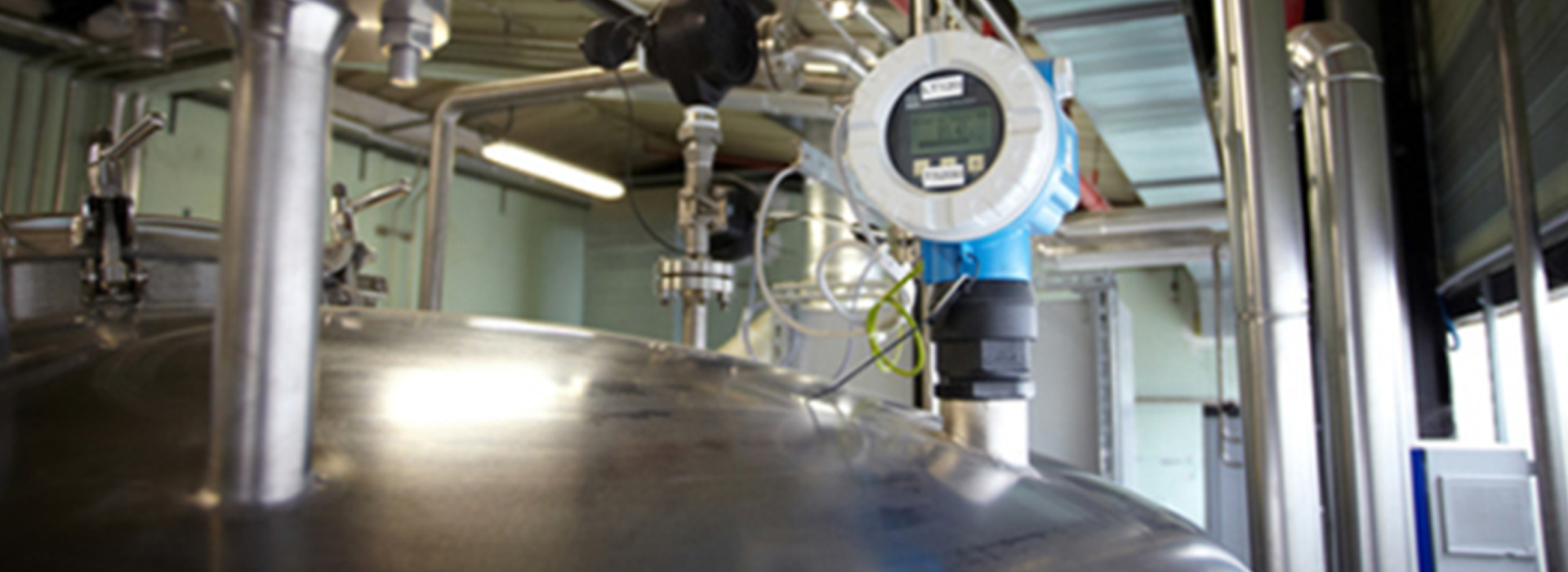
Level Measurement For Environmental Protection And Waste Treatment
Environmental protection and waste treatment systems require reliable level measurement for wastewater tanks, sludge basins, leachate tanks, chemical dosing tanks, waste liquid storage, scrubber circulation tanks and treatment process vessels. SHAO provides level measurement solutions for dirty liquids, corrosive media, foam, sludge, sediment and harsh treatment environments.
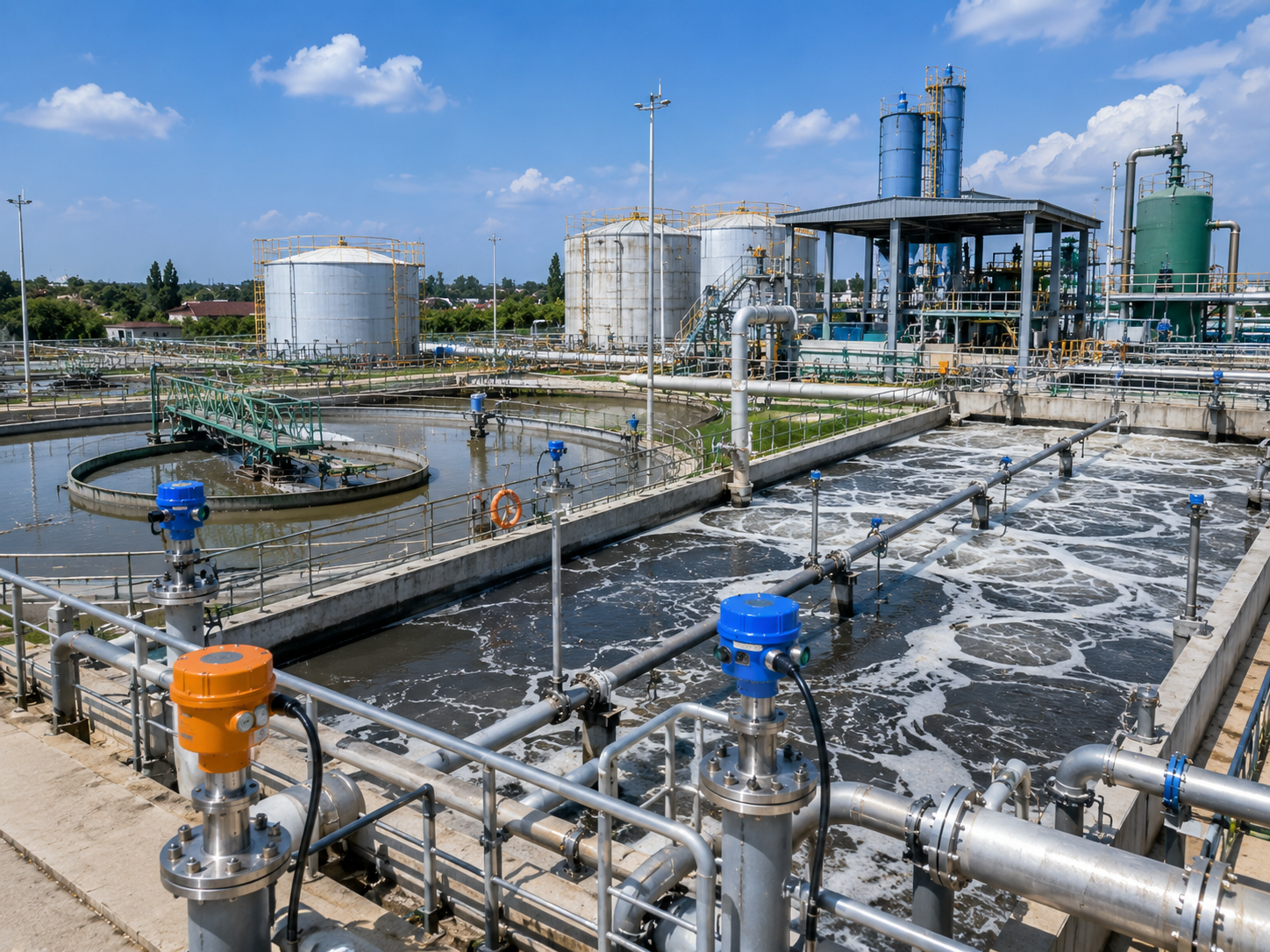
Why Level Measurement Matters In Waste Treatment Systems
Wastewater and waste treatment applications often involve dirty liquid, foam, sediment, sludge, corrosive chemicals and changing process conditions. Reliable level measurement helps prevent overflow, protect pumps, control dosing, maintain treatment capacity and reduce environmental risk. A suitable solution should match the medium condition, tank structure, foam level, corrosion risk, installation position and required output signal.
Typical Media And Treatment Conditions
SHAO level measurement solutions can support wastewater treatment plants, industrial waste liquid systems, landfill leachate treatment, scrubber systems, chemical dosing stations and environmental engineering projects.
Wastewater And Effluent
Level measurement for industrial wastewater tanks, effluent basins, process water tanks and treatment pools.
Sludge And Sediment
Monitoring for sludge tanks, sedimentation basins, thickened sludge vessels and dirty liquid storage.
Landfill Leachate
Level control for leachate collection tanks, landfill liquid storage and leachate treatment systems.
Chemical Dosing Tanks
Level monitoring for acid, alkali, coagulant, flocculant and other treatment chemical storage tanks.
Scrubber Circulation Tanks
Measurement support for exhaust gas treatment, spray tower circulation liquid and odor control systems.
Waste Liquid Storage
Level alarm and monitoring for hazardous waste liquid, process waste liquid and environmental storage tanks.
Main Challenges In Waste Treatment Level Measurement
Environmental treatment systems are often unstable and difficult to measure. The medium may change over time, and tanks may contain foam, sludge or floating materials.
Wastewater may contain foam, suspended solids and floating materials.
Sludge tanks may have sediment, high viscosity and uneven surfaces.
Leachate may be corrosive, dirty and difficult to measure directly.
Chemical dosing tanks may require corrosion-resistant selection.
Open basins may need non-contact measurement and outdoor protection.
Pump stations require reliable high-level and low-level alarm signals.
Selection Focus For Environmental Applications
Recommended Solutions By Application
| Application | Medium Type | Main Challenge | Suggested Solution |
|---|---|---|---|
| Wastewater Tank | Industrial wastewater, effluent | Foam, contamination, floating material | Radar level meter or ultrasonic level sensor |
| Sludge Tank | Sludge, sediment, thick liquid | Viscosity, buildup, uneven surface | Radar level meter or suitable pressure transmitter |
| Leachate Tank | Landfill leachate, waste liquid | Corrosion, odor, dirty liquid | Non-contact radar or corrosion-resistant transmitter |
| Chemical Dosing Tank | Acid, alkali, coagulant, reagent | Corrosion and process safety | Radar level meter or corrosion-resistant level sensor |
| Scrubber Circulation Tank | Spray liquid, circulating water, chemical liquid | Foam, corrosion, changing liquid level | Radar or pressure level transmitter |
| Pump Station Basin | Wastewater, drainage water, dirty water | High-level alarm and pump control | Level transmitter plus alarm output |
Suitable Level Measurement Technologies
Radar Level Meter
Suitable for non-contact measurement in wastewater tanks, leachate tanks, chemical tanks and open basins.
Pressure Level Transmitter
Used for liquid tanks, pump basins, sludge tanks and treatment vessels where pressure measurement is suitable.
Ultrasonic Level Sensor
Can be considered for open tanks, water basins and some non-contact wastewater applications.
Level Switch
Suitable for high-level alarm, low-level alarm, pump protection and emergency overflow warning.
What Information Is Needed Before Selection?
Waste treatment applications require proper sensor selection based on medium composition, tank structure and environmental conditions.
Application Areas In Environmental Treatment
Wastewater Treatment Plants
Level monitoring for wastewater tanks, equalization basins, effluent tanks and treatment pools.
Sludge Treatment Systems
Measurement for sludge tanks, sediment tanks, thickener tanks and dirty liquid storage.
Landfill Leachate Treatment
Level control for leachate collection tanks, leachate storage and treatment process vessels.
Chemical Dosing Stations
Monitoring for acid, alkali, reagent, coagulant and flocculant dosing tanks.
Air Pollution Control
Measurement support for scrubber circulation tanks, spray tower liquid and odor treatment systems.
Pump And Overflow Protection
Supports pump start-stop, dry-run protection, overflow warning and environmental safety control.
Frequently Asked Questions
What level sensor is suitable for wastewater tanks?
Radar level meters, ultrasonic level sensors or pressure level transmitters can be selected depending on tank type, foam, contamination, installation position and measuring range.
Can radar level meters measure sludge tanks?
Yes. Radar level meters can be used for many sludge tank applications because they offer non-contact measurement. Foam, buildup and tank structure should be confirmed before selection.
Which solution is suitable for corrosive chemical dosing tanks?
Corrosive chemical tanks may require non-contact radar level meters or corrosion-resistant level transmitters depending on chemical type, concentration and tank design.
Why is overflow alarm important in waste treatment systems?
Overflow may cause environmental risk, equipment damage and process interruption. High-level alarm and continuous monitoring help operators respond before overflow occurs.
What information should I provide before requesting a quotation?
Please provide medium type, tank size, measuring range, foam condition, corrosion condition, installation method, output signal and whether continuous measurement or alarm control is needed.