Choosing the right level switch means matching the detection principle, installation condition, and control purpose to the real process. Reliable performance comes from application fit, not from choosing a device by name alone.
A temperature transmitter improves industrial measurement when it matches the sensor, process range, signal requirements, and installation environment, delivering stable and accurate performance over time.
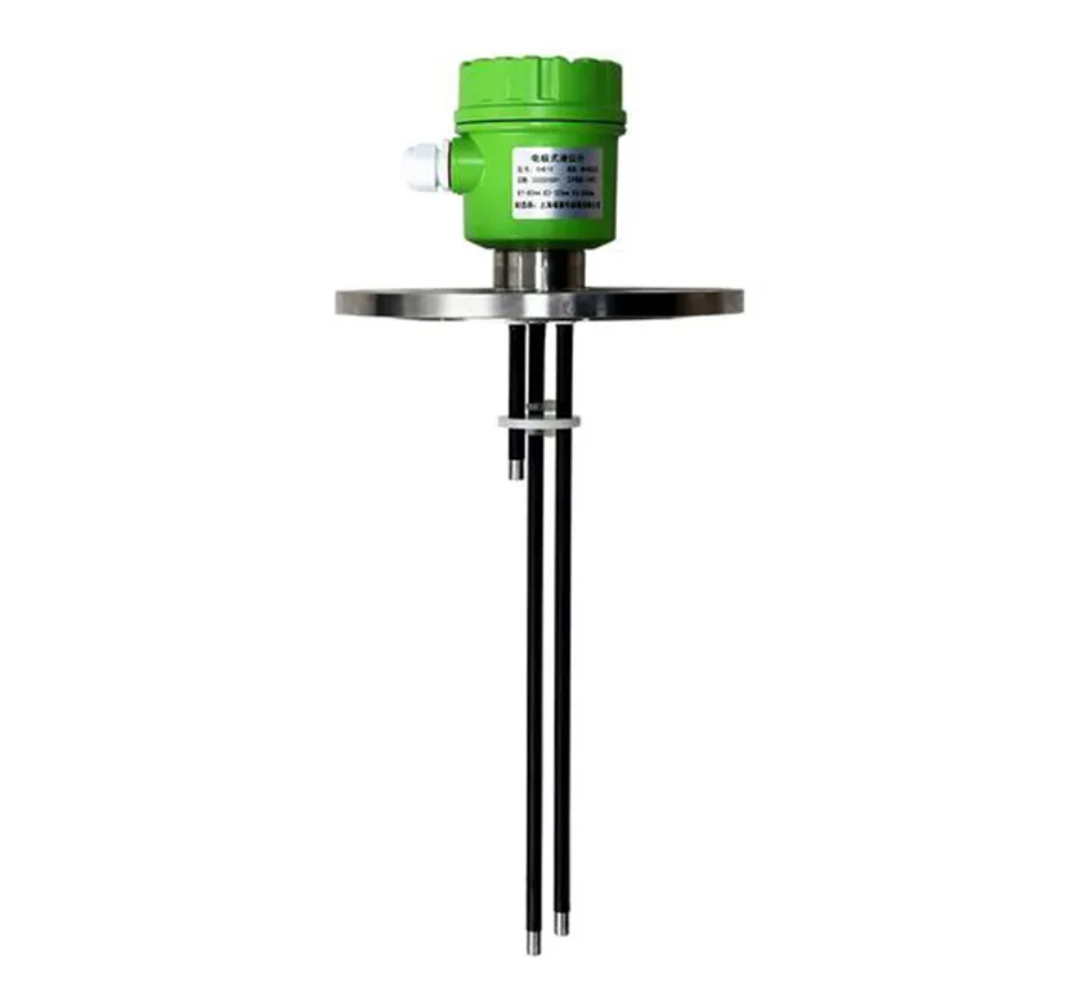
An electrode level switch is the right choice when the liquid is conductive, the control point is clear, and the process benefits from simple, dependable point level switching.
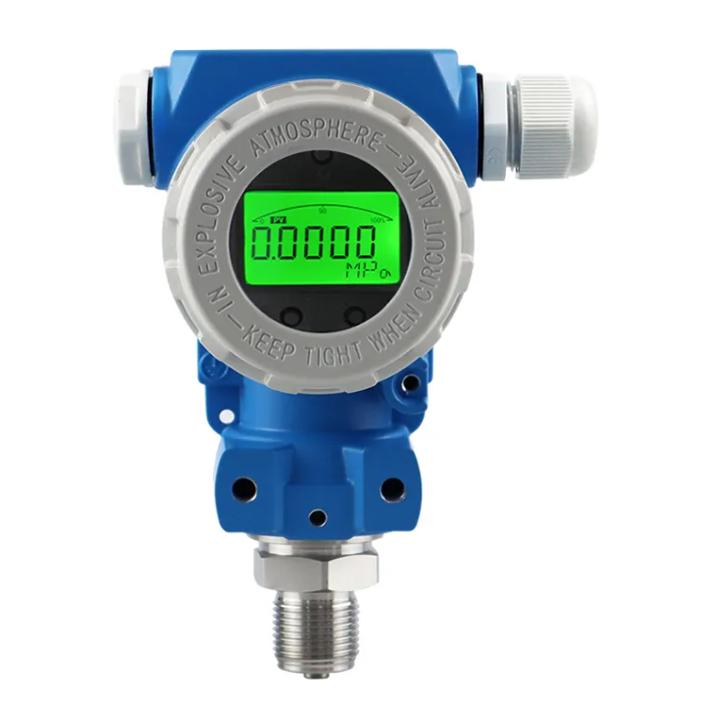
A pressure transmitter improves accuracy and stability when its range, sensor design, materials, and installation method are matched carefully to the real industrial process.
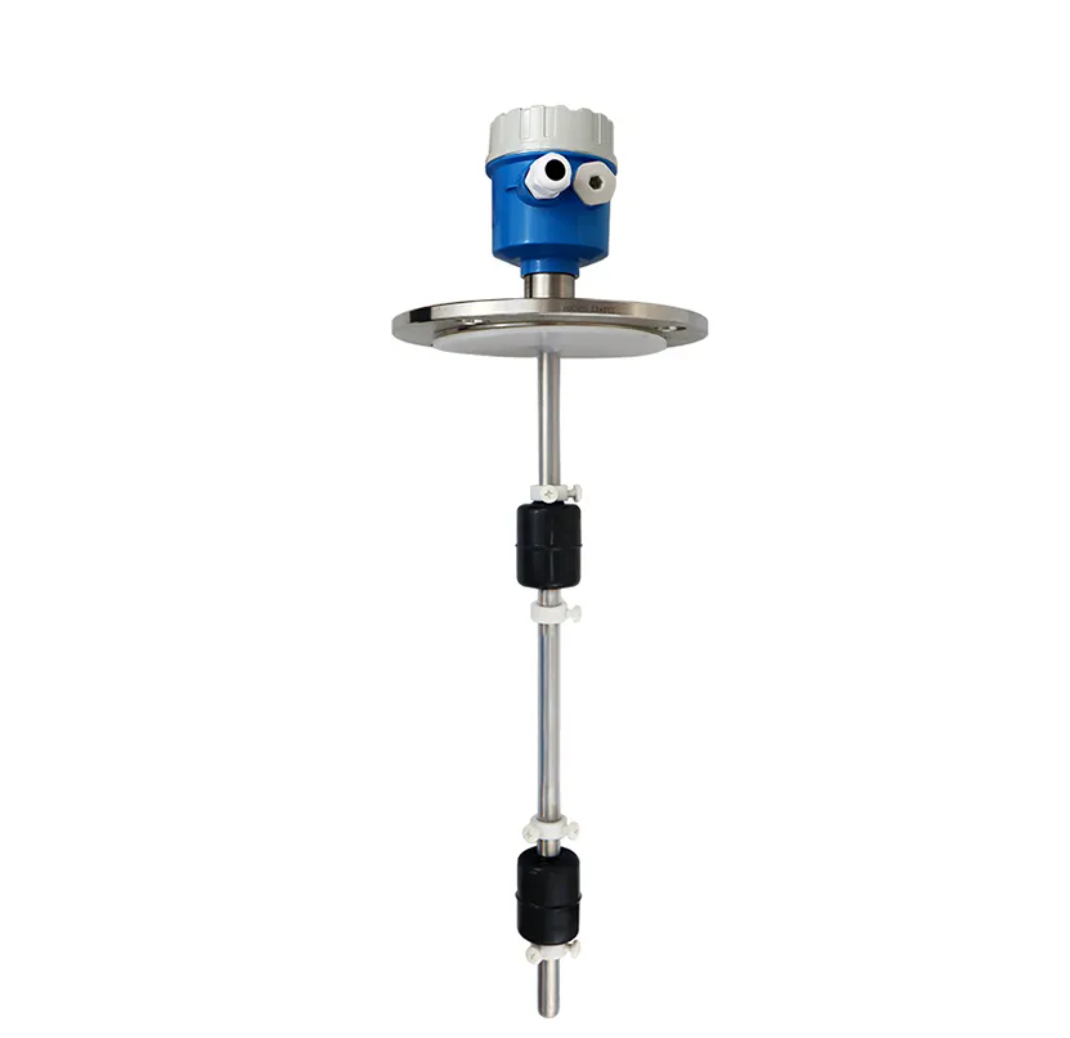
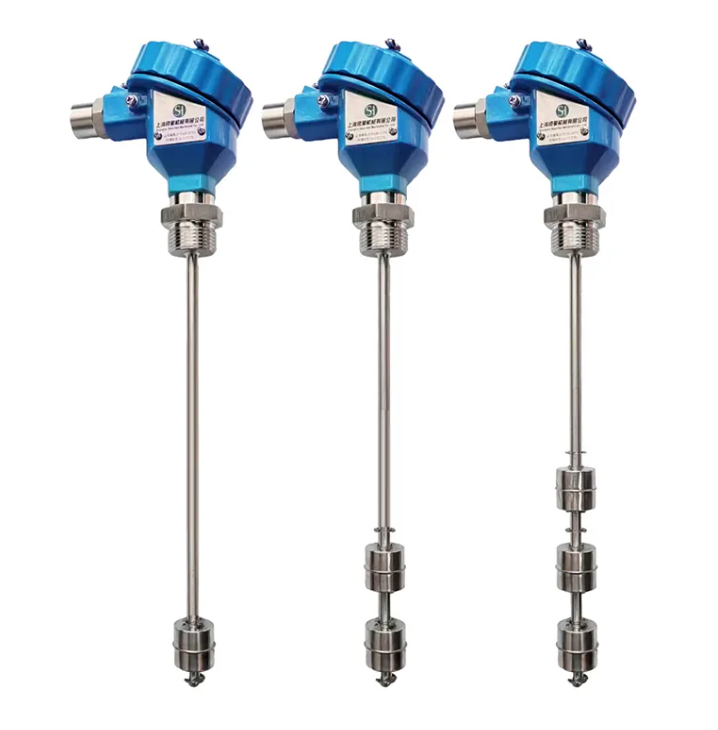
Choosing a float level switch for long-term stable control means matching float design, mounting type, switching logic, and process environment to the real liquid application.
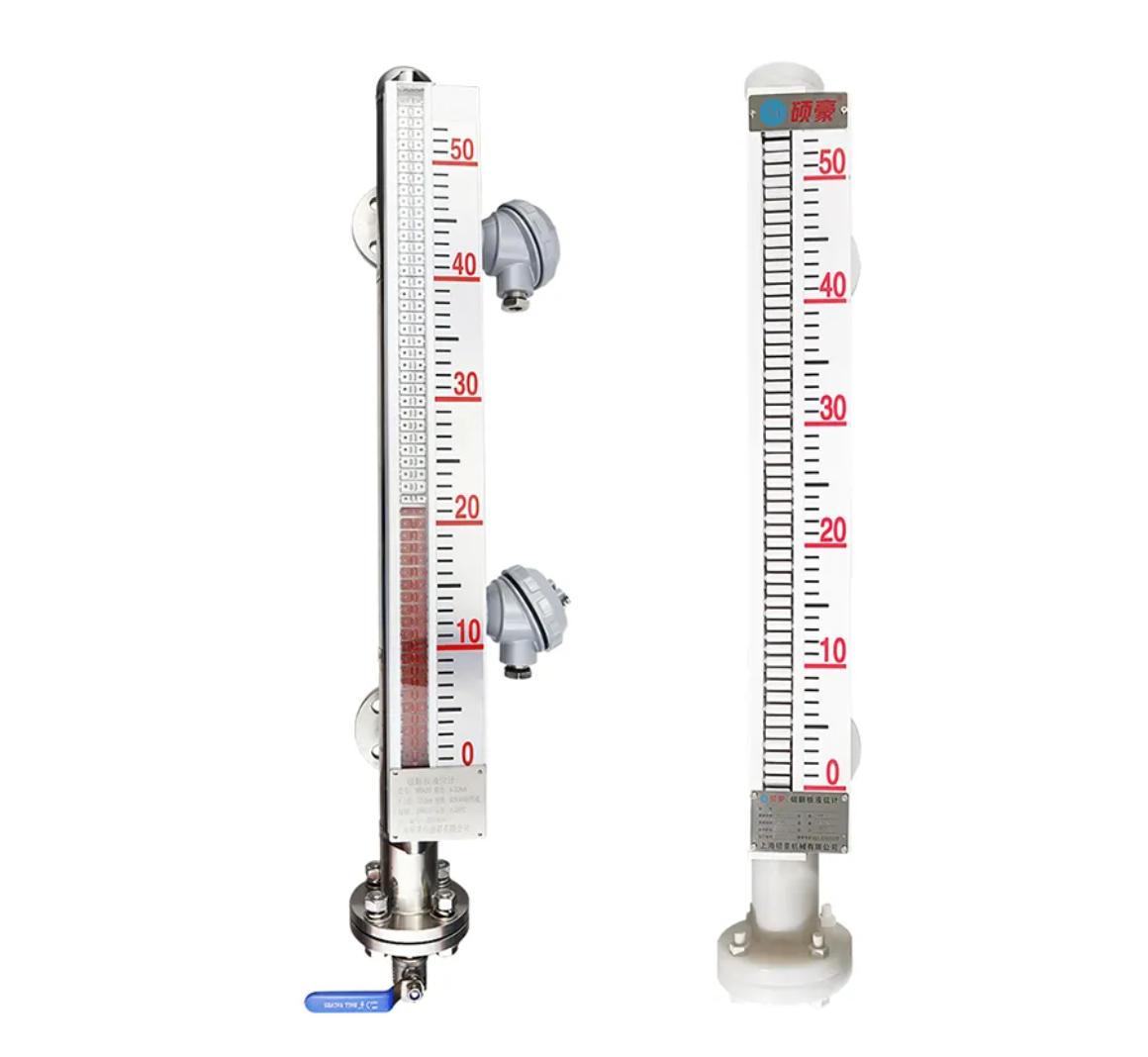
Magnetic level gauges remain trusted because they provide clear local visibility, reliable process isolation, and practical long-term tank monitoring performance. Their value is not only tradition, but real operating usefulness.
Improving level detection accuracy with a capacitance level switch depends on understanding the medium, selecting the right probe and sensitivity, and reducing process interference through proper application design.
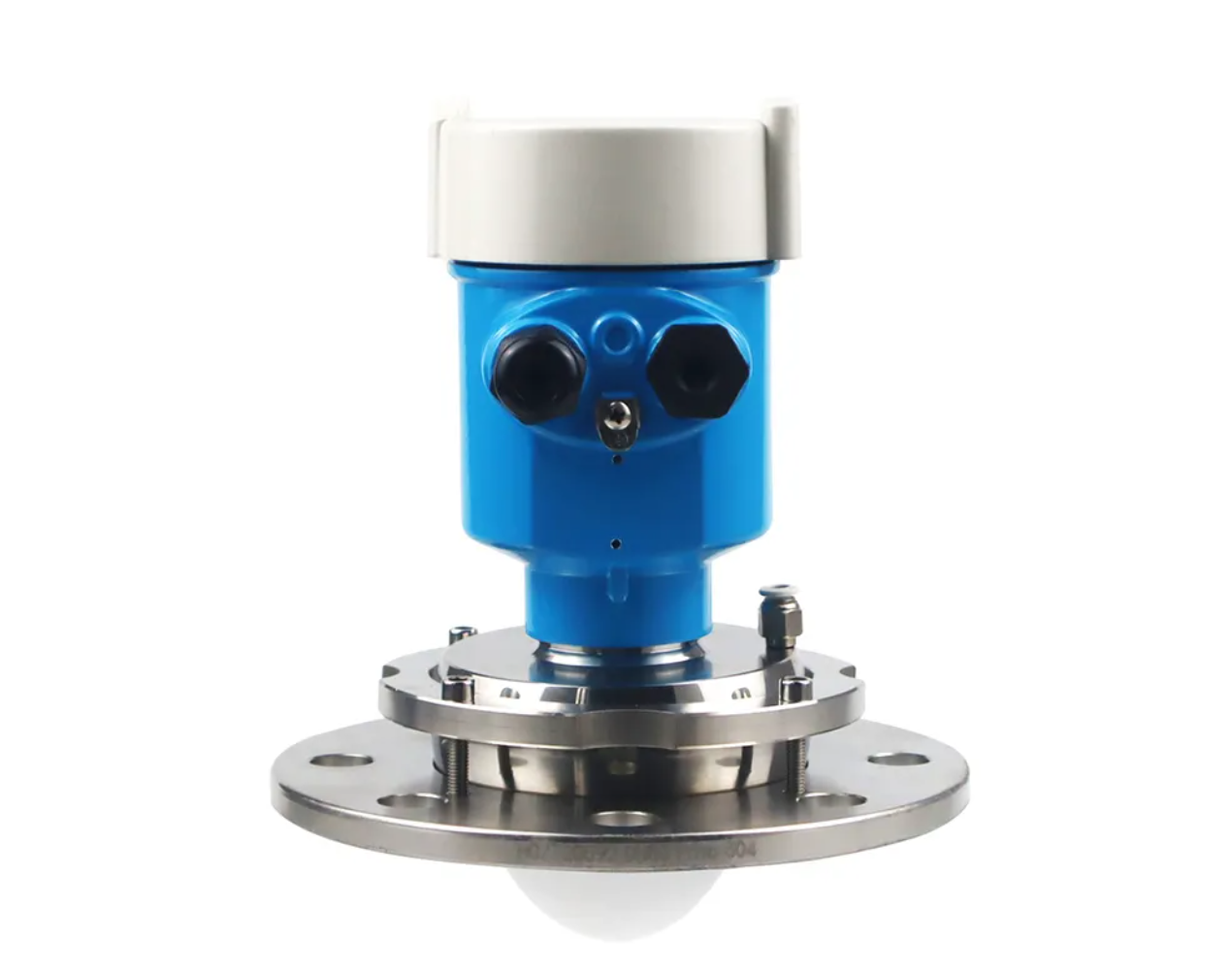
The right radar level transmitter achieves accurate measurement by matching radar type, frequency, antenna, vessel condition, and installation method to the real application. Accuracy is not a catalog number alone; it is the result of proper application engineering.
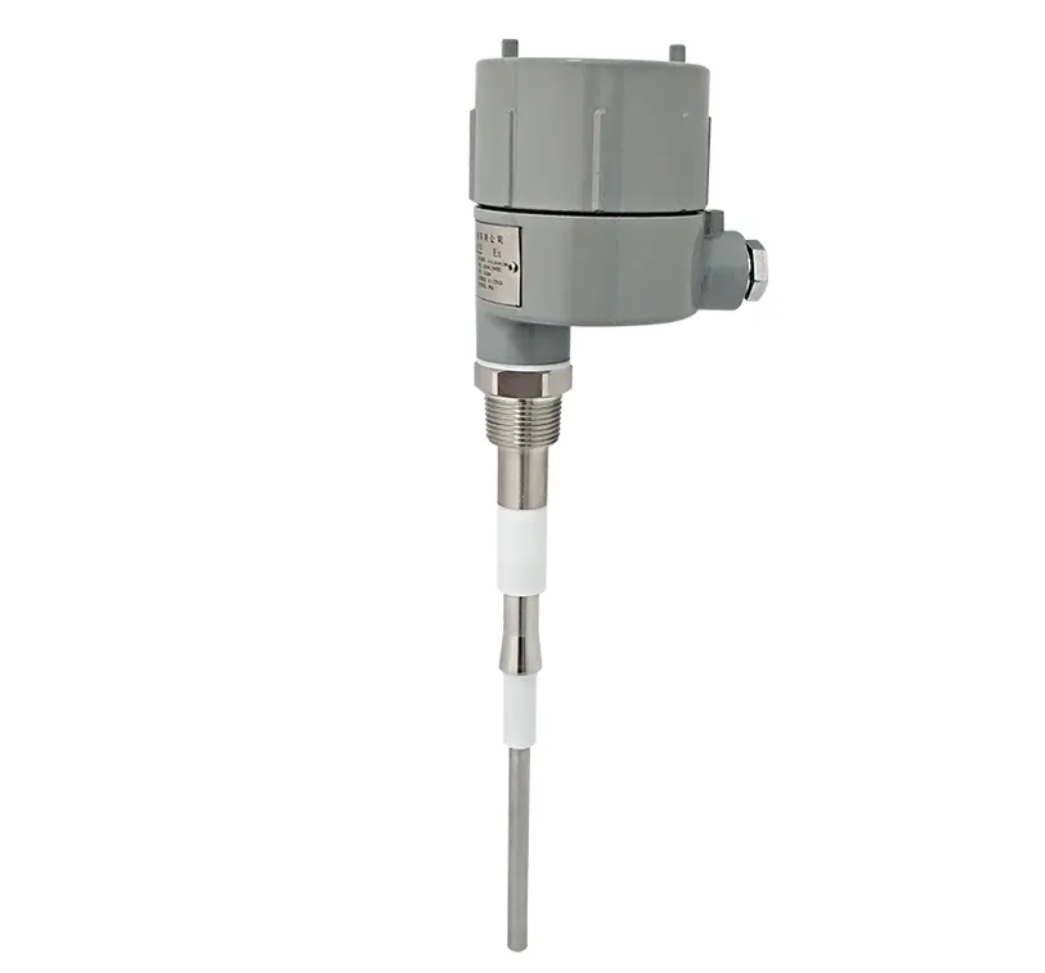
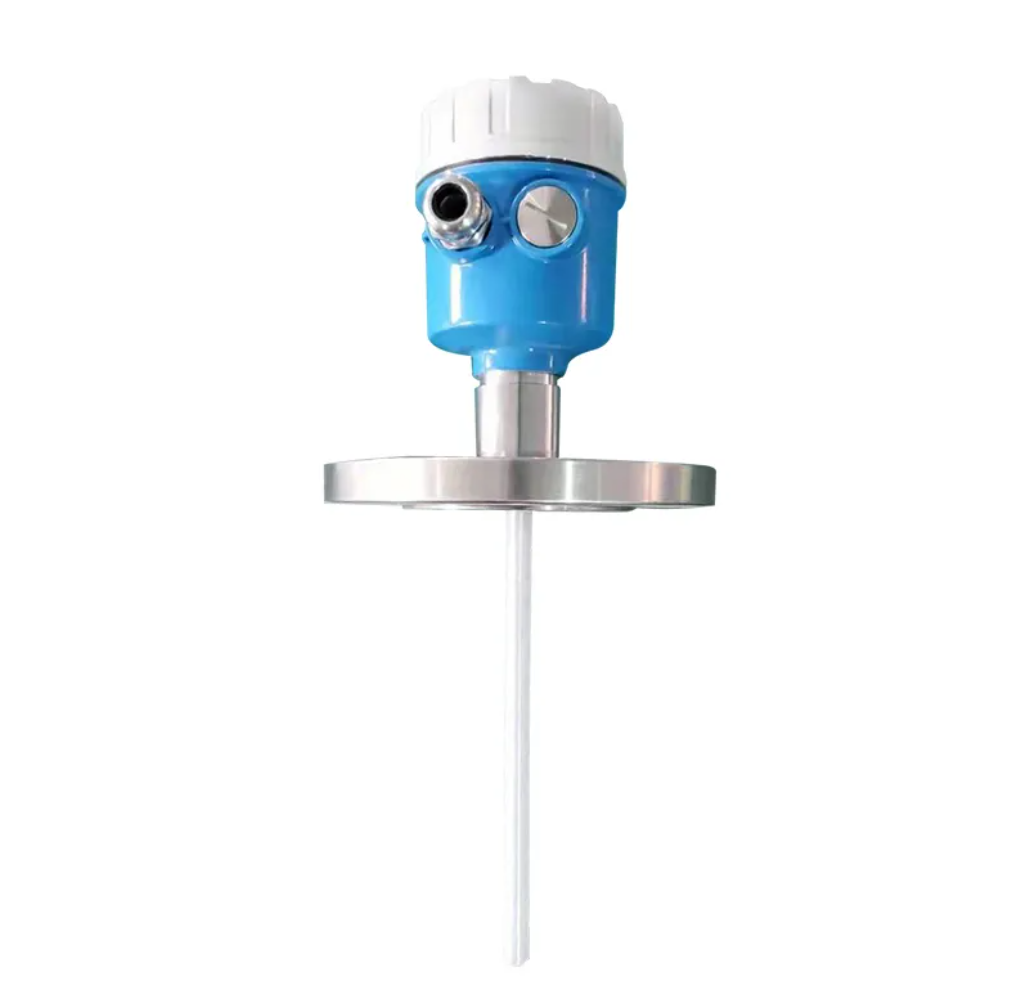
RF admittance level switches are often better for difficult materials because they handle coating, dust, and unstable process conditions more effectively. Their value is highest where process interruptions and false signals create real operational cost.
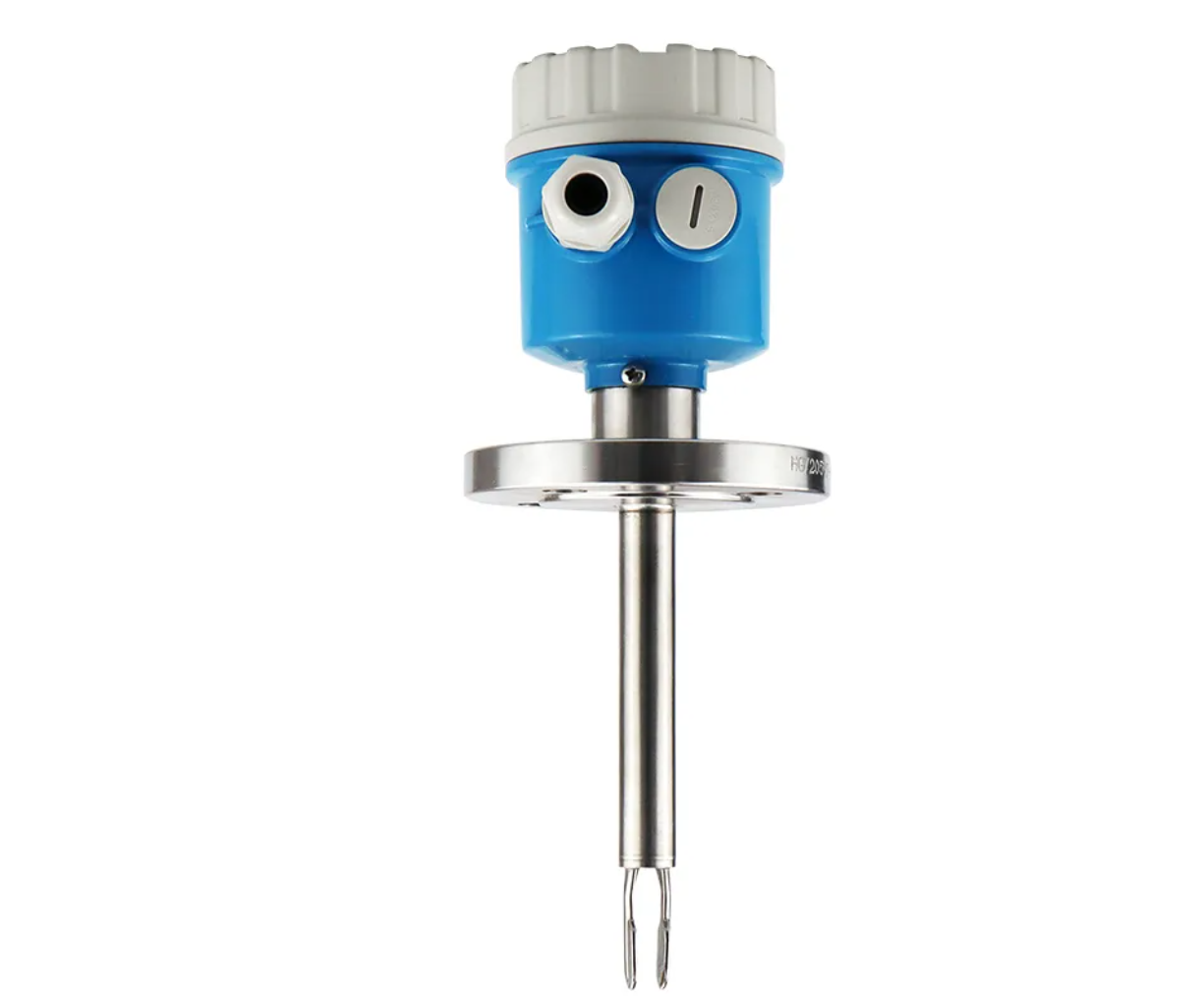
The right vibrating fork level switch delivers stable detection because it matches the medium, process conditions, fork design, and control logic. Reliable performance comes from real application fit, not only from a basic product specification.