
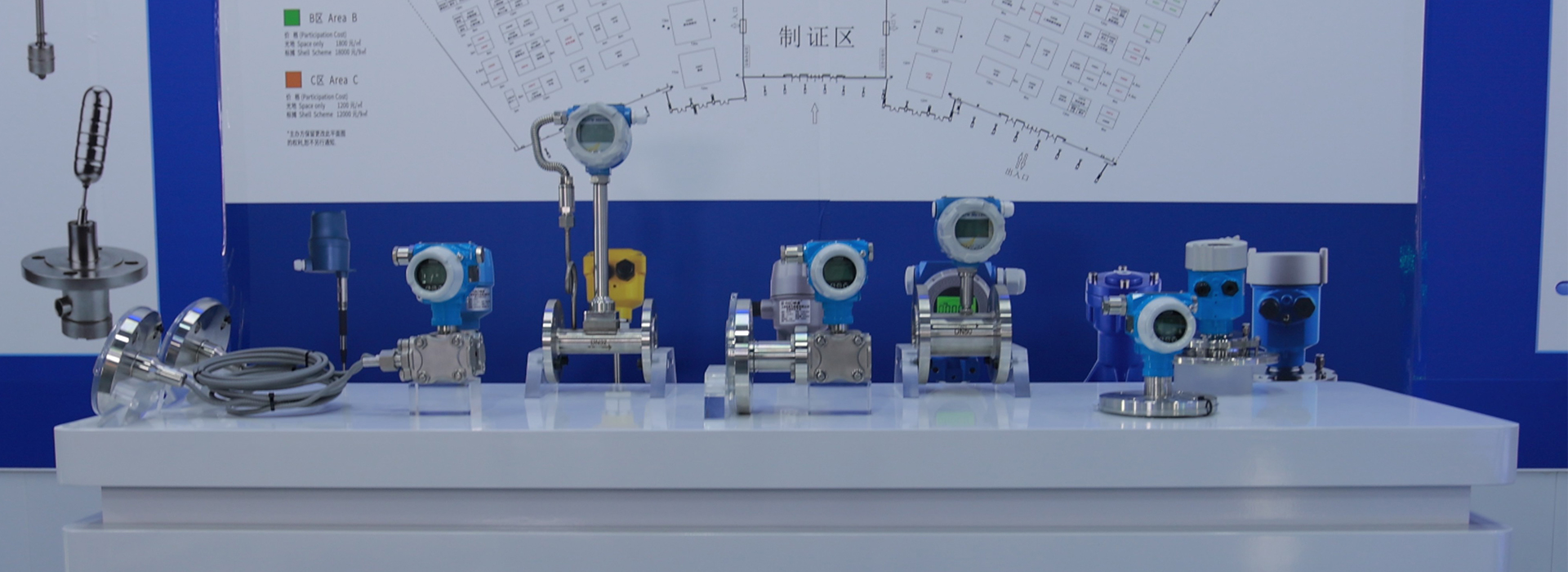
Temperature transmitters are essential in industrial measurement because they convert signals from temperature sensors into stable, standardized outputs for monitoring and control systems. They are widely used in chemical processing, food production, energy systems, pharmaceuticals, machinery, and HVAC applications. But choosing the right temperature transmitter is not only about matching a sensor input. For accurate and reliable industrial measurement, the transmitter must fit the sensor type, installation environment, output requirements, and real operating conditions.
Accurate Measurement Starts With Sensor And Process Matching
A temperature transmitter must first be compatible with the sensor it is connected to, such as RTD or thermocouple. But compatibility alone is not enough. The transmitter should also match the required measuring range, process accuracy expectation, and response demand. A wide process range may need strong linearity and stable compensation, while a narrow control process may require better fine-range stability.
The process itself must also be understood. Temperature variation speed, ambient conditions, vibration, electrical interference, and mounting arrangement all affect actual signal quality. If the transmitter is selected without considering these factors, the measurement may appear accurate during setup but become less reliable during operation. True industrial accuracy comes from fitting the full process, not only the sensor input type.
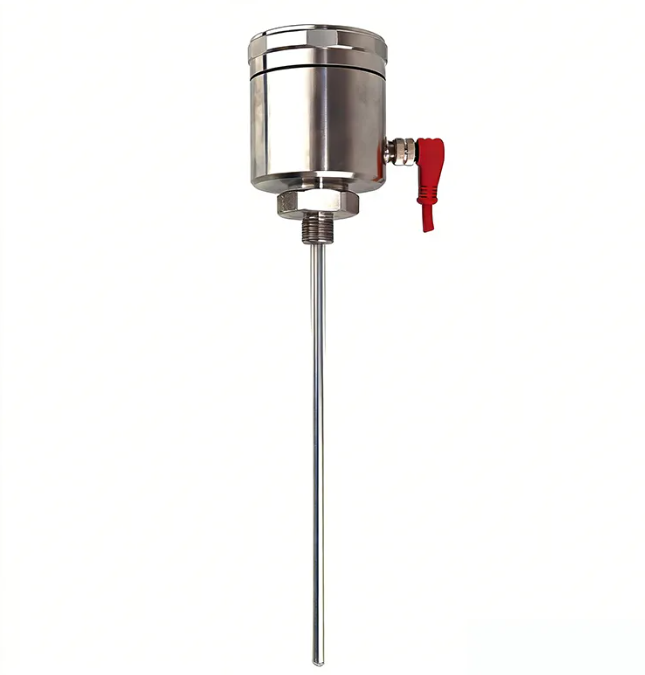
Signal Stability, Compensation, And Output Quality Matter Over Time
A good temperature transmitter should do more than convert signals. It should improve measurement stability by handling sensor signals accurately and resisting electrical noise and environmental influence. Compensation quality matters because temperature measurement is sensitive to small signal changes. A transmitter with poor compensation or unstable electronics may create drift, output fluctuation, or slow response that reduces control quality.
Output configuration should also match the system requirement. Whether the application uses analog output, digital communication, or integrated local display, the transmitter should support the expected control and maintenance workflow. In critical industrial systems, reliable signal transmission is just as important as sensor accuracy. That is why long-term signal quality should be considered a core selection factor.
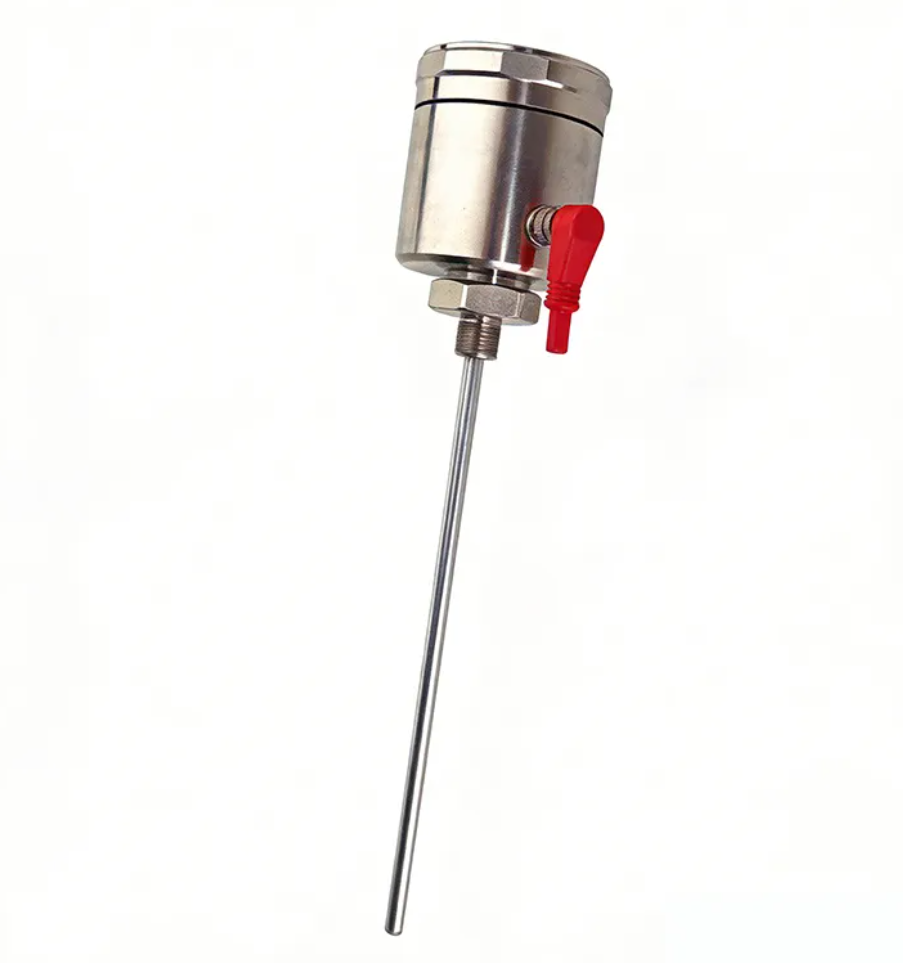
Reliable Industrial Performance Depends On Installation And Environmental Suitability
Even a capable transmitter can perform poorly if environmental suitability is ignored. Head-mounted, rail-mounted, and field-mounted transmitters each suit different installations. High humidity, ambient heat, vibration, and washdown conditions may require better enclosure protection or remote installation. In hygienic and outdoor processes, durability and sealing are especially important.
The best temperature transmitter is the one that fits the sensor, the process, the control system, and the installation environment together. When all of these elements are aligned, the transmitter helps deliver more accurate readings, more stable control, and more reliable plant operation over time. That is the real goal of temperature transmitter selection in industrial measurement.
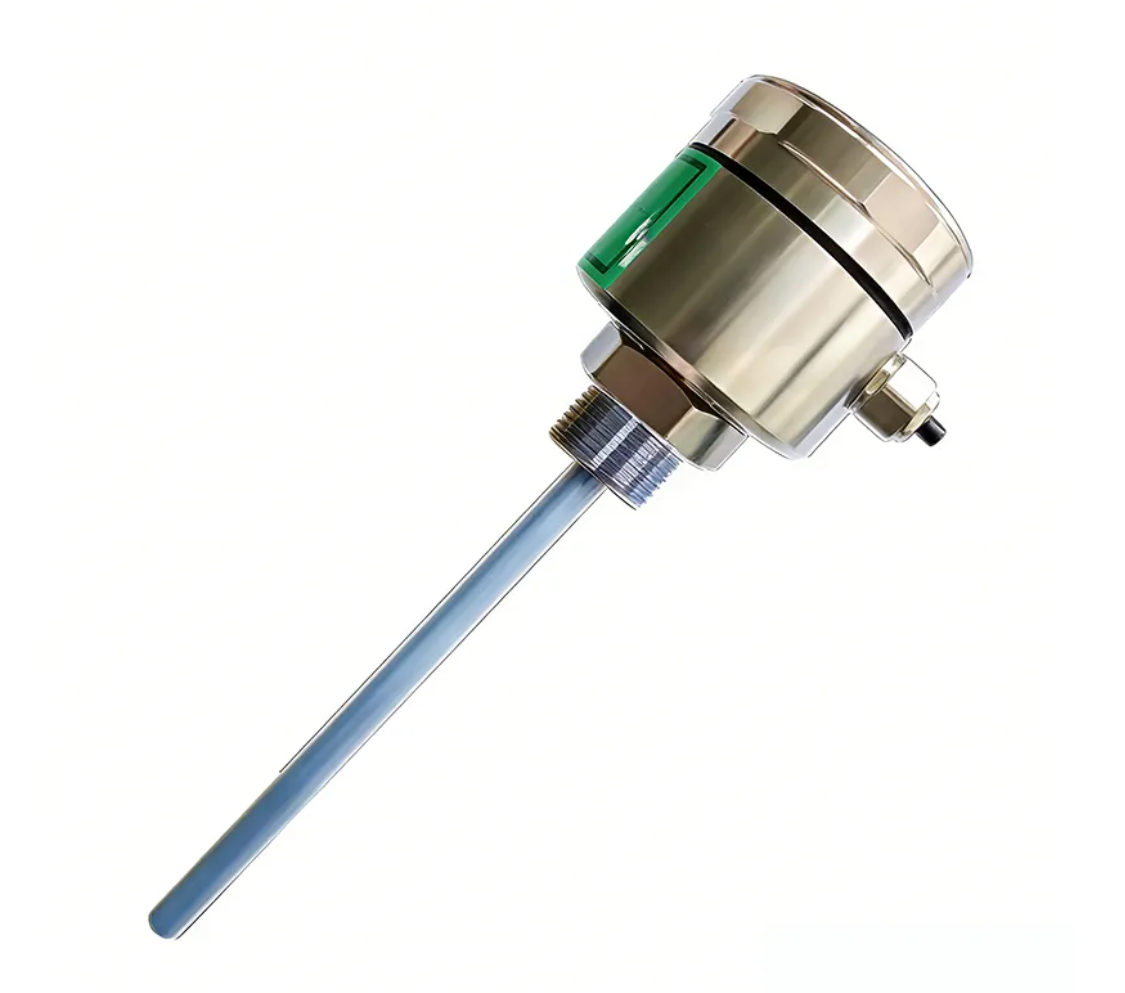
A temperature transmitter improves industrial measurement when it matches the sensor, process range, signal requirements, and installation environment, delivering stable and accurate performance over time.