
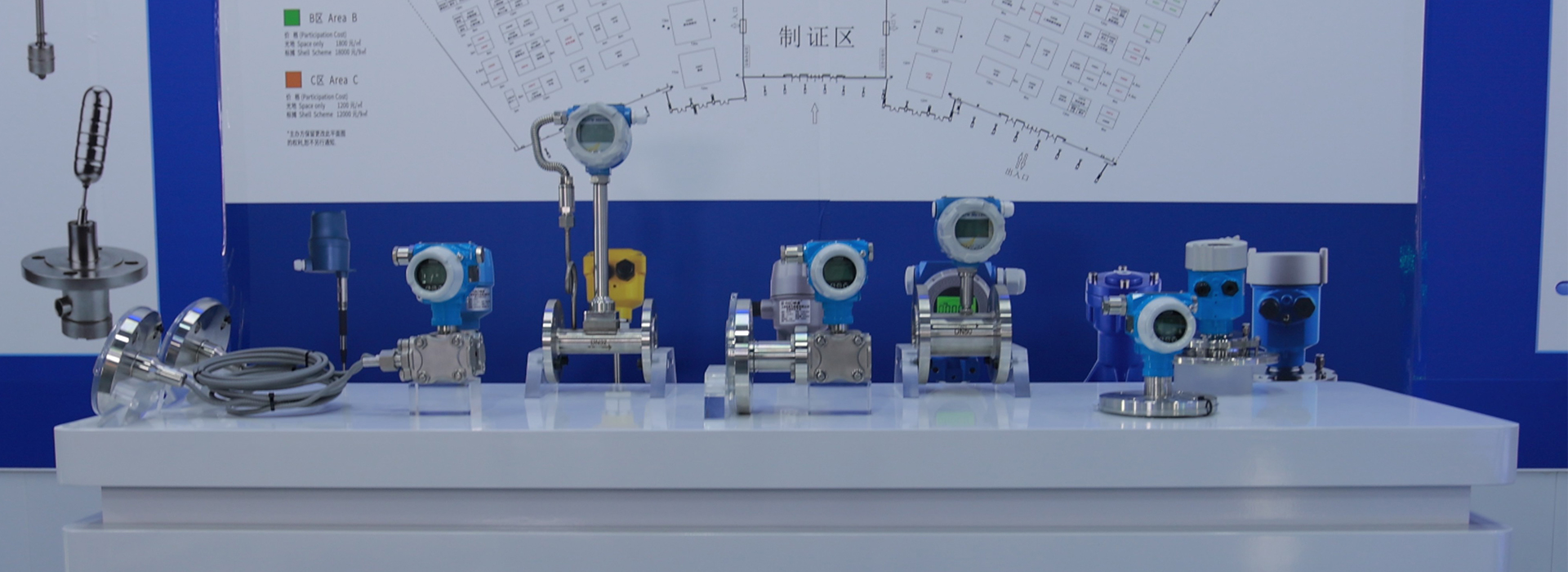
Level switches are used in almost every type of industrial process, from powder storage and grain handling to liquid tanks, chemical vessels, wastewater treatment systems, and high-temperature utility applications. Yet choosing the right level switch is often more complicated than simply deciding whether the medium is a solid or a liquid. Different materials behave differently, and the wrong switch can lead to false alarms, unstable control, overfilling, pump dry-running, or repeated maintenance. A reliable selection starts with understanding the process in real operating conditions, not just comparing product names.
Different Media Require Different Detection Principles
The first step in choosing a level switch is understanding how the material behaves in the vessel. Powders, granules, liquids, foams, slurries, sticky media, and conductive liquids all interact differently with a sensing element. A rotary paddle switch may work well in bulk solids like grain or plastic pellets, but it may not be suitable for sticky slurries. A vibrating fork switch may perform well in many liquid and fine solid applications, but its stability can still be affected by coating, turbulence, or foam. Conductive liquids may be better handled by electrode level switches, while corrosive or pressurized tanks may benefit from magnetic or radar-based solutions.
This is why there is no single “best” level switch for all industries. The right technology depends on the process medium, the expected switching point, and the type of control required. A high-level alarm in a dry powder silo does not demand the same solution as low-level pump protection in a wastewater tank. Choosing correctly means starting with the physical and process characteristics of the material rather than selecting based on price or general familiarity alone.
Installation Conditions And Process Environment Affect Long-Term Performance
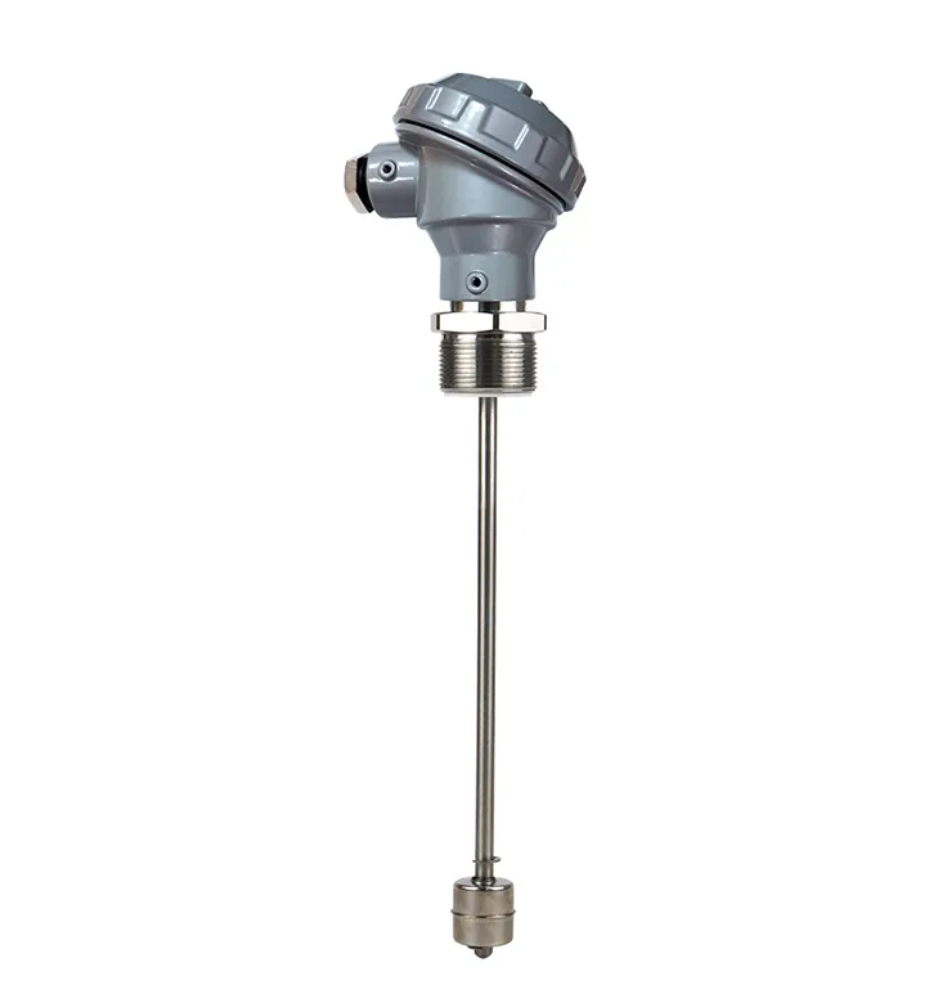
Even when the detection principle is correct, long-term reliability still depends heavily on the installation environment. Temperature, pressure, vibration, dust, humidity, foam, turbulence, and material build-up can all affect a level switch over time. In large silos, shaft length and structural strength become important. In chemical tanks, corrosion resistance and sealing performance are critical. In sanitary processes, cleanability and hygienic design may matter more than mechanical ruggedness. The same switch can perform very differently depending on where and how it is installed.
Mounting position is also a major factor. Side mounting, top mounting, compact insertion, rod extension, and cable suspension each influence the sensing result. If a switch is installed too close to a filling stream, an agitator, or a vessel wall, false switching may occur even when the product itself is technically suitable. For this reason, choosing the right level switch is never only about the instrument. It is also about how the switch will interact with the actual tank, silo, hopper, or process vessel.
Reliable Selection Comes From Matching The Switch To The Control Purpose
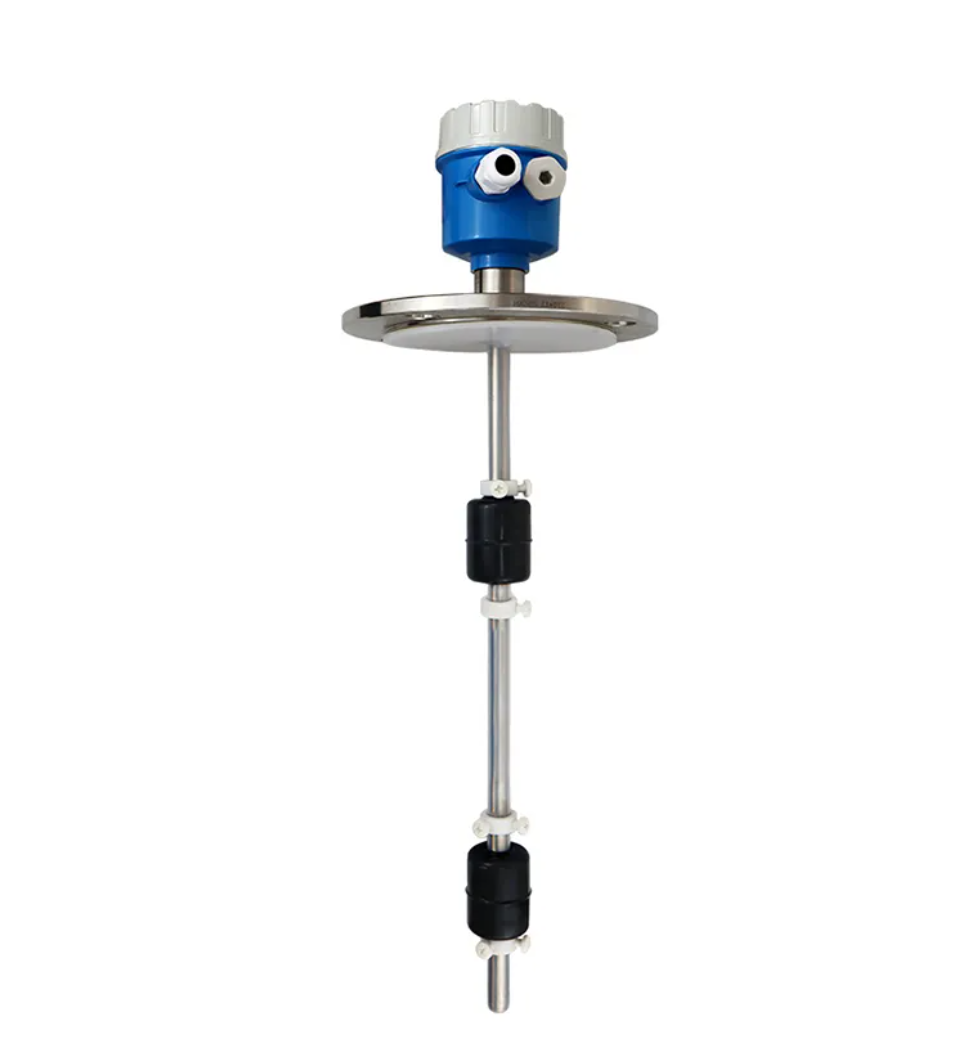
A level switch is not only a detection device. It is part of the process control logic. Some switches are used for high-level alarm, some for low-level protection, some for pump start-stop control, and others for overfill prevention or dry-run protection. That means the right choice depends on how the signal will be used in the system. A switch used as a safety backup may need stronger fail-safe characteristics, while a switch used for simple indication may prioritize cost-effectiveness and basic stability.
The best selection is usually the one that balances medium compatibility, installation suitability, and control purpose. In many industrial applications, this means evaluating more than one technology before final choice. Rotary paddle, vibrating fork, RF admittance, capacitance, magnetic, float, electrode, and radar technologies each have their own strengths. The right level switch is the one that matches the real application most closely and continues to operate reliably as process conditions change over time.
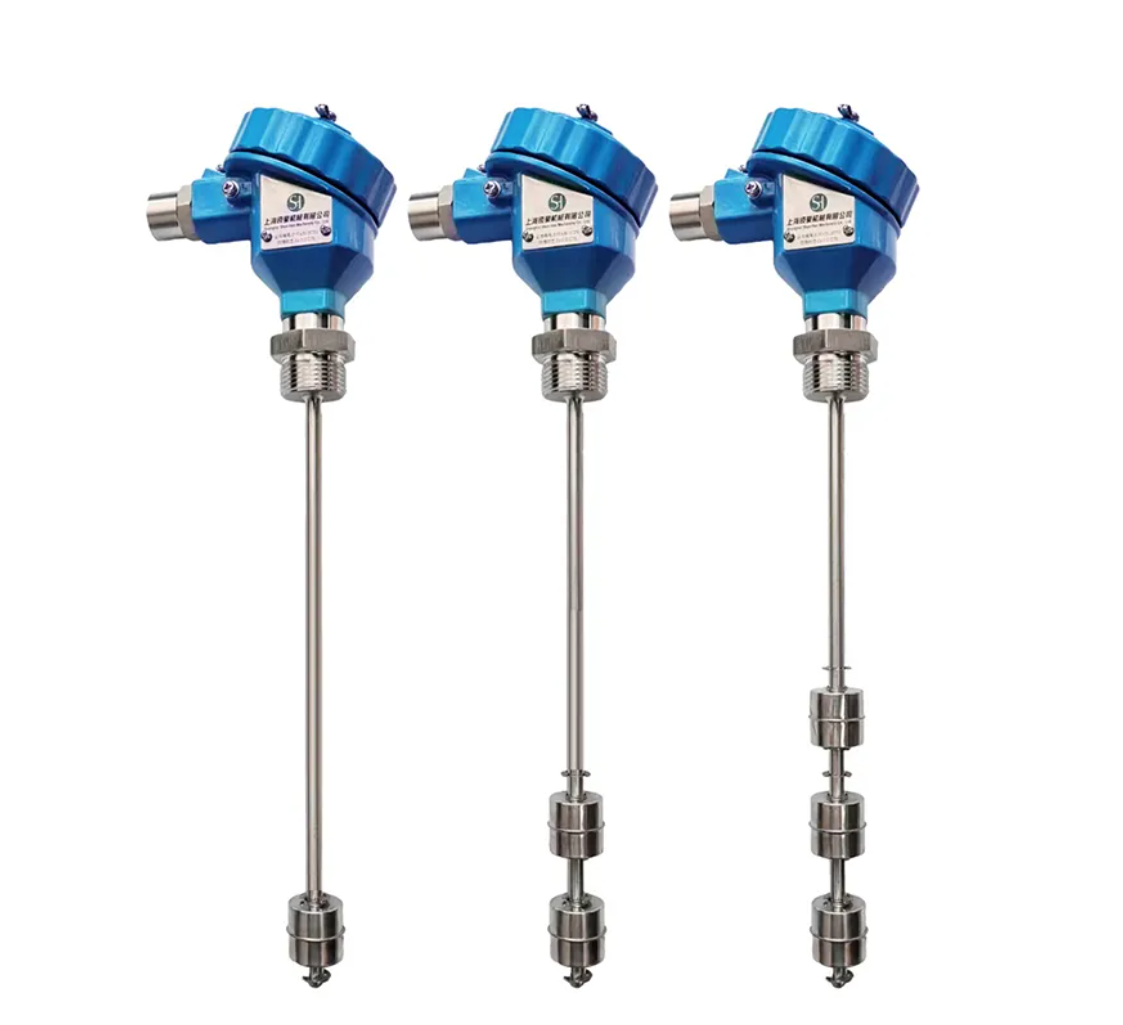
Choosing the right level switch means matching the detection principle, installation condition, and control purpose to the real process. Reliable performance comes from application fit, not from choosing a device by name alone.