
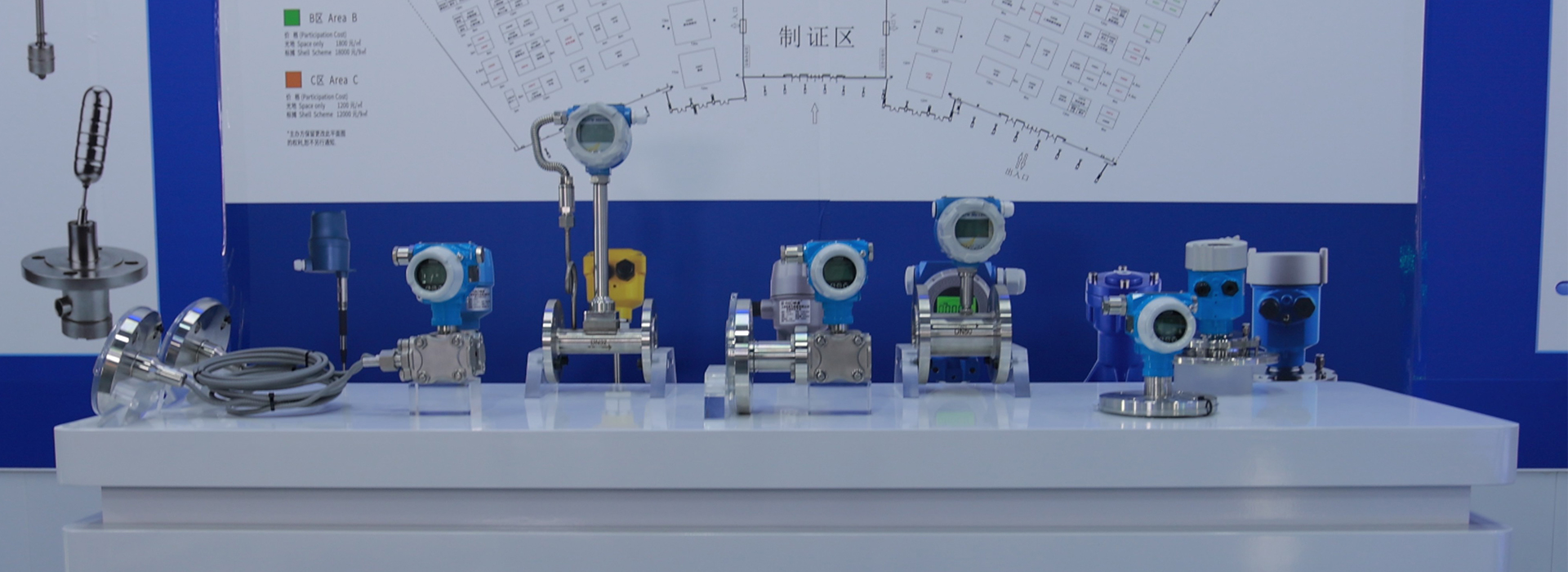
Electrode level switches are a practical and effective solution for point level detection in conductive liquids. They are commonly used in boilers, water treatment systems, chemical tanks, and industrial utility equipment because they offer simple structure, reliable switching, and good suitability for liquids that can complete an electrical circuit. However, electrode switches are not universal devices. Their performance depends on the conductivity of the medium, the installation method, and the process environment. Knowing when they are the right choice helps improve reliability and avoids using the wrong technology in unsuitable applications.
Conductivity Is The Core Requirement For Electrode Level Switching
The most important factor is whether the liquid is conductive enough for the switch to operate correctly. Water-based media, wastewater, many chemical solutions, and boiler applications are often suitable. Oils, solvents, and other non-conductive liquids usually are not. If conductivity is unstable or too low, the switch may fail to detect the level correctly or behave inconsistently.
This is why electrode switches should not be selected simply because they are compact or cost-effective. They must be matched to a liquid whose electrical properties support the detection principle. In conductive liquid service, they can provide very dependable point level control. In non-conductive liquids, another technology is usually more appropriate. The right choice begins with understanding the medium, not just the tank.
Application Suitability Depends On Process Design And Control Purpose
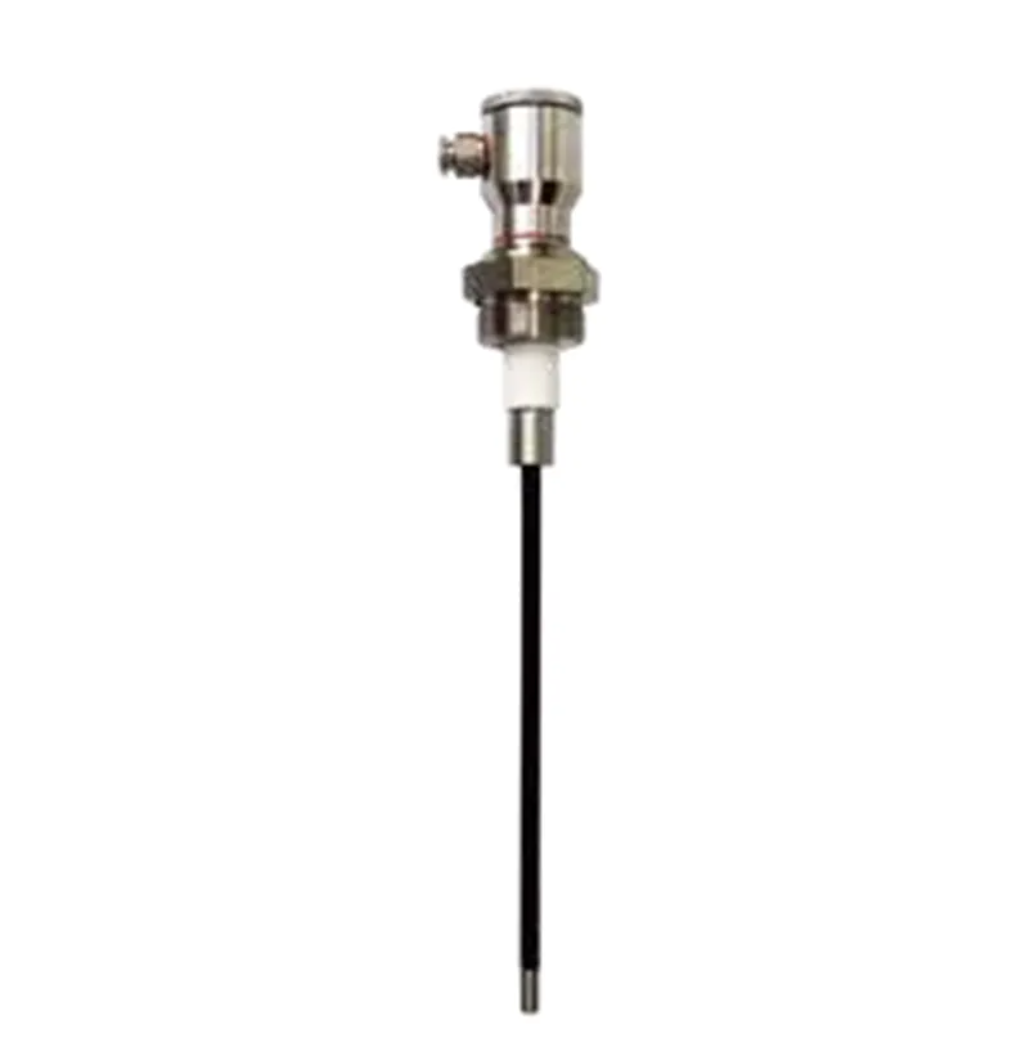
Electrode level switches are especially suitable for applications where simple and reliable level detection is needed, such as high-level alarm, low-level protection, dry-run prevention, or pump control in conductive liquid systems. They are often effective in compact vessels or utility systems where direct insertion is possible and process conditions are relatively clear.
However, the process must be reviewed carefully. Build-up, scale formation, foam, turbulence, and coating can influence performance over time. In boiler service or water treatment, electrode switches can work very well when matched to the correct control purpose and maintenance plan. In highly contaminated, non-uniform, or unstable media, the benefits should be evaluated more carefully. The right choice depends on both the conductivity of the liquid and the actual operational demand.
The Right Choice Comes From Simplicity, Reliability, And Proper Application Limits
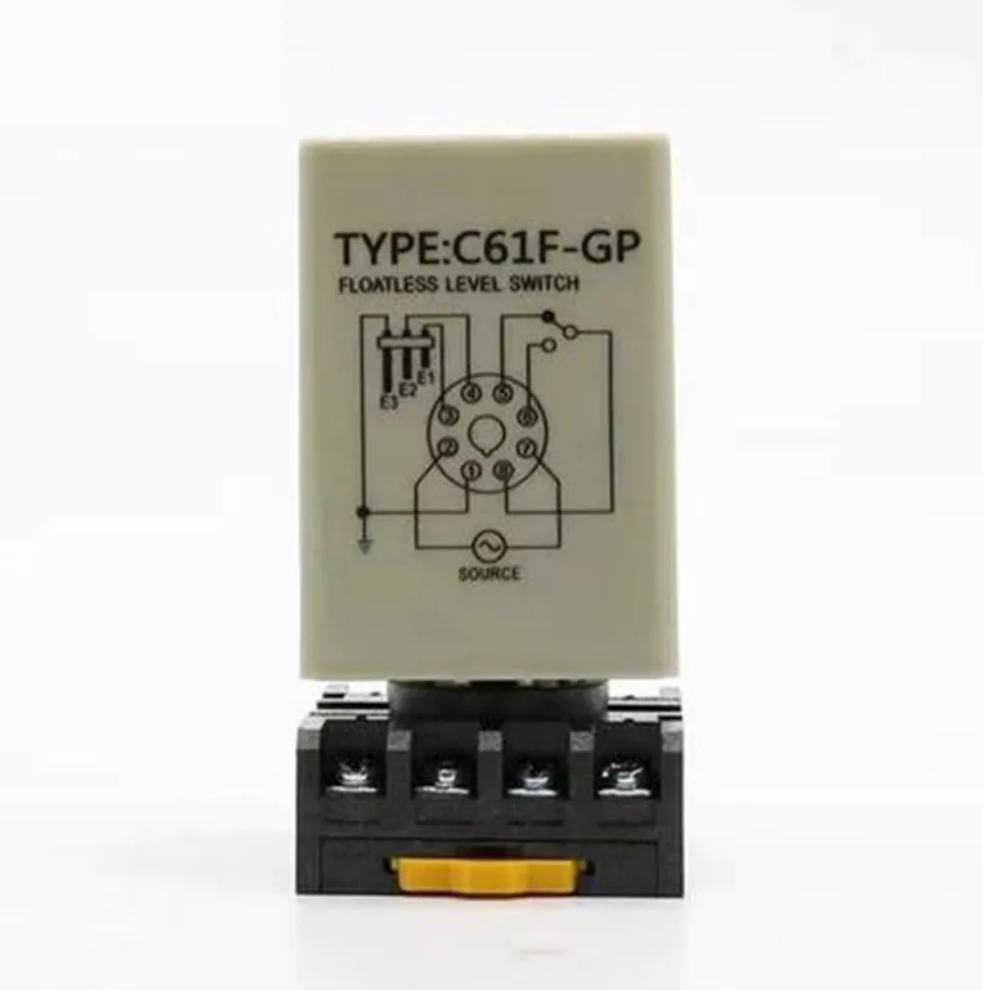
An electrode level switch is the right choice when the liquid is conductive, the detection point is clear, and the process benefits from a simple and direct switching principle. It is especially useful in applications where cost-effective and dependable control is more important than continuous measurement or advanced diagnostics. When used within its suitable application range, it can provide stable long-term service with a straightforward design.
The key is not to expect one technology to solve every level problem. Electrode switches are highly effective in the right conductive liquid applications, but their value comes from correct use within their natural strengths. When that match is achieved, they remain one of the most practical solutions for conductive liquid point level control.
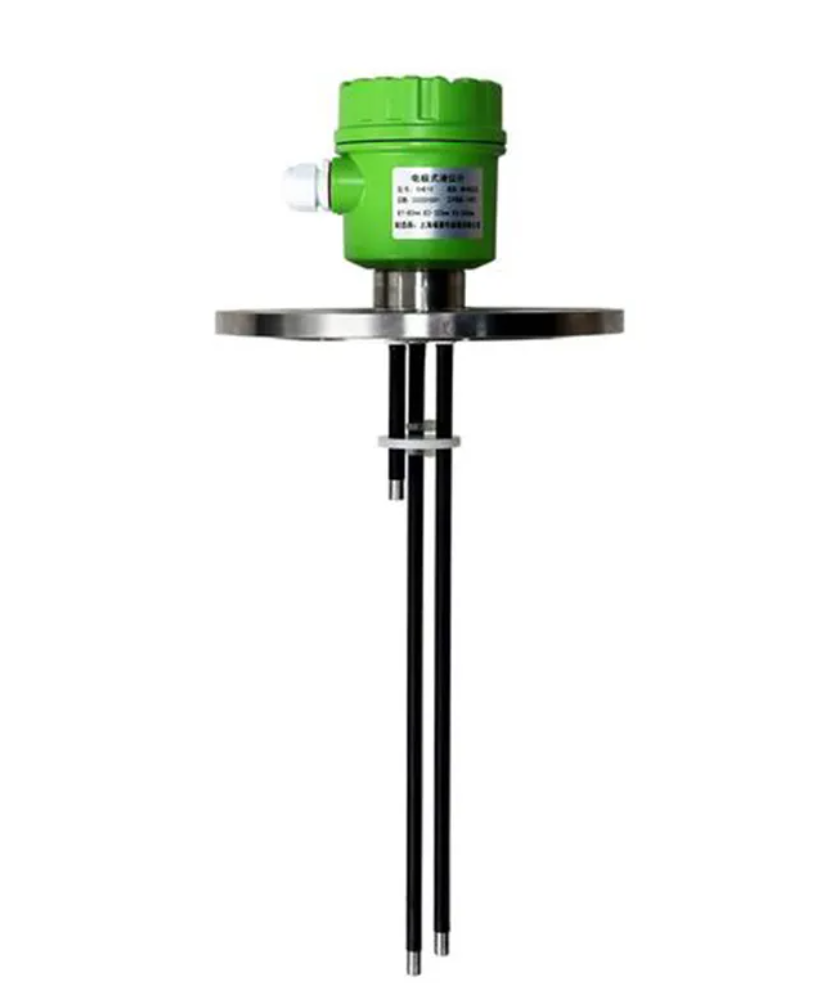
An electrode level switch is the right choice when the liquid is conductive, the control point is clear, and the process benefits from simple, dependable point level switching.