
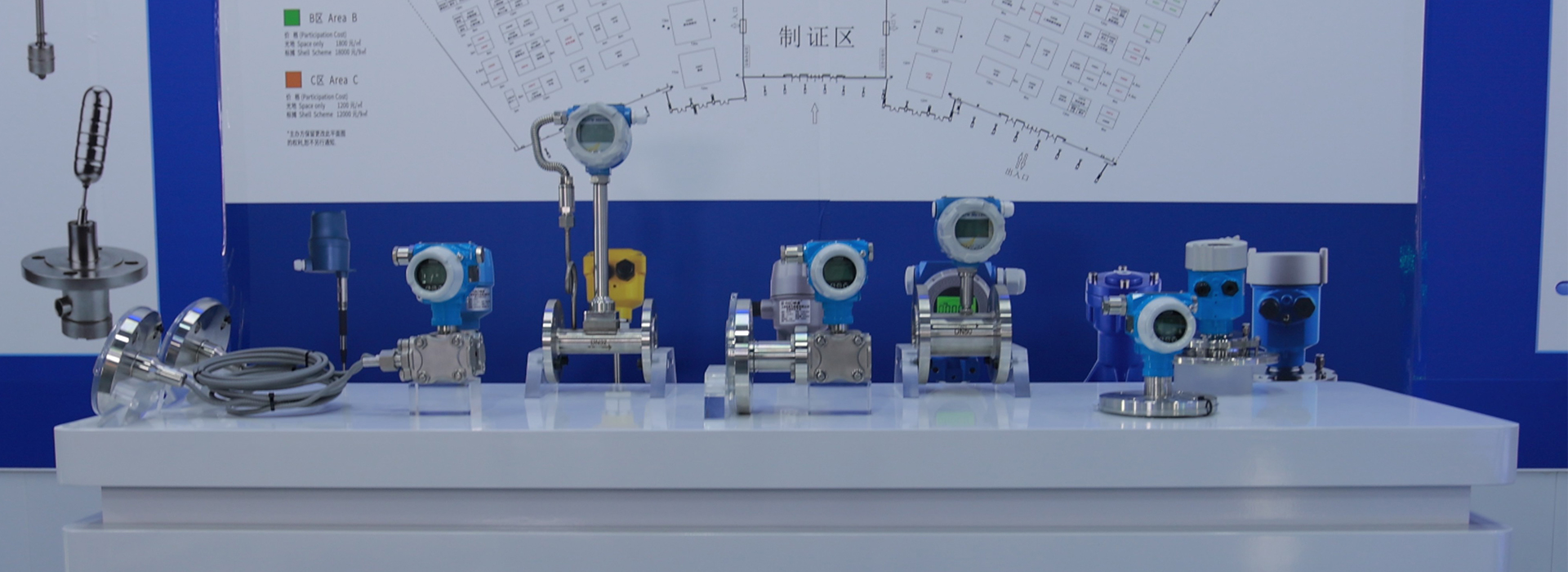
Pressure transmitters are essential in industrial automation because they convert process pressure into accurate electrical signals for monitoring, control, and safety functions. They are used in water treatment, chemical processing, energy systems, food production, HVAC, and many other applications. But not every pressure transmitter delivers the same performance in real operation. True accuracy and long-term stability depend on selecting the correct measuring range, sensor technology, wetted materials, and installation approach for the actual process.
Measuring Range And Process Conditions Directly Influence Accuracy
A pressure transmitter should be selected with a measuring range that matches the real operating pressure as closely as practical. If the range is too high, low-pressure variations may be lost in a signal span that is too broad. If the range is too tight, overpressure risk increases and long-term sensor stability may suffer. Understanding normal pressure, peak pressure, pulsation, and possible vacuum conditions is essential before choosing the instrument.
Process temperature, media type, and pressure dynamics also affect accuracy. A transmitter that performs well in stable water service may behave differently in hot steam, corrosive chemical lines, or pulsating pump systems. Accuracy should never be viewed as a laboratory number alone. In industrial practice, useful accuracy means reliable signal quality under real working conditions, not only under ideal calibration conditions.
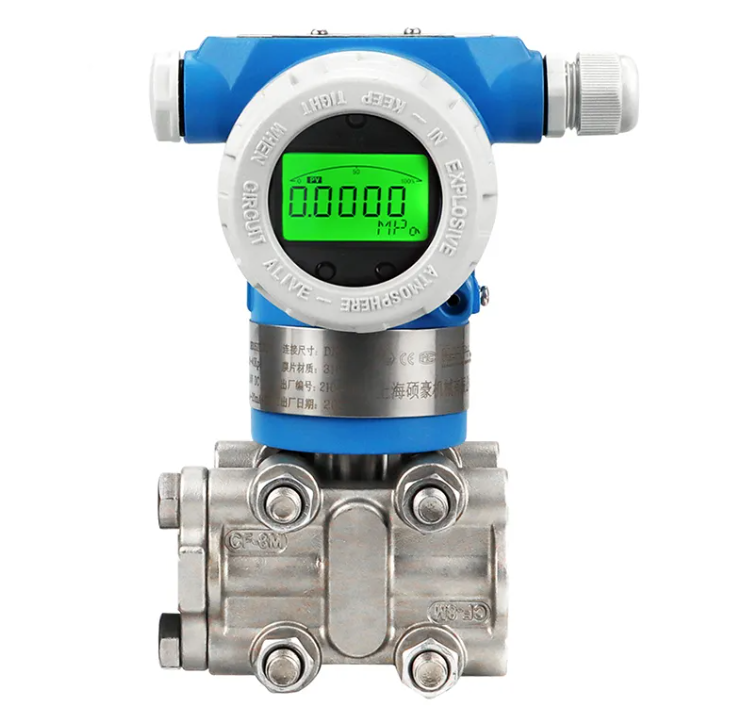
Sensor Structure, Wetted Materials, And Output Quality Determine Stability
Different pressure transmitters use different sensor structures and process isolation designs. These choices influence overload resistance, temperature drift, and long-term repeatability. Wetted materials must match the process medium carefully, especially in corrosive or hygienic applications. Stainless steel may suit many systems, but not all chemicals or sanitary requirements. Diaphragm design and fill fluid compatibility also affect reliability.
Output stability matters just as much as sensor quality. Electrical noise resistance, signal repeatability, and long-term drift performance all influence how useful the transmitter is in automation. A transmitter that measures well at installation but drifts over time can create process inefficiency and maintenance burden. The right selection should focus not only on initial accuracy, but also on how stable the signal remains in daily service.
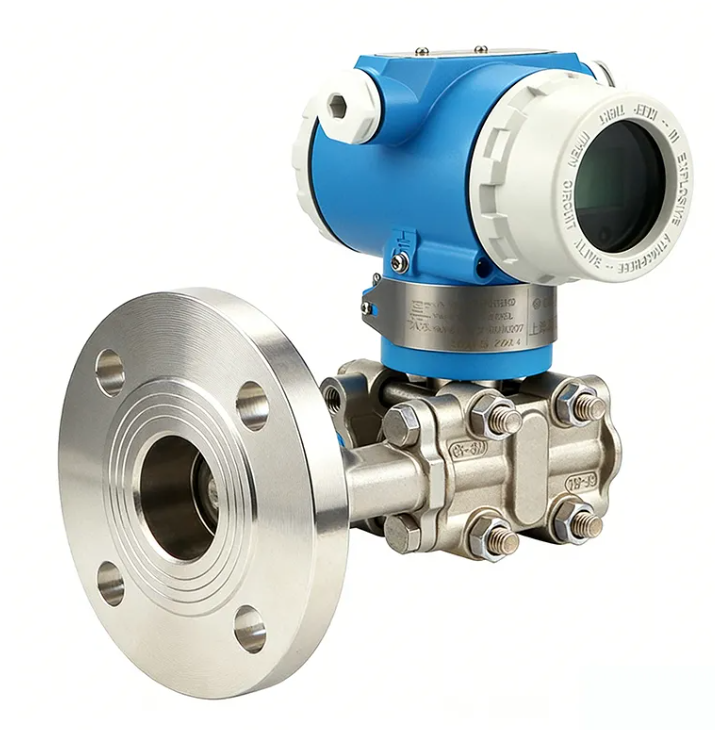
Installation Quality And Application Matching Make The Difference In Real Operation
Even a high-quality pressure transmitter can fail to deliver good results if installed incorrectly. Impulse line arrangement, mounting position, vibration isolation, and temperature protection all affect actual measurement performance. In systems with pulsation, damping or special process connection may be needed. In outdoor installations, ingress protection and environmental resistance become important. In sanitary systems, dead space and cleanability must be considered.
The best pressure transmitter is not simply the most advanced or the most expensive model. It is the one that matches the process range, medium, operating environment, and control expectation together. When correctly selected and installed, a pressure transmitter can significantly improve measurement accuracy, signal stability, and overall process reliability.
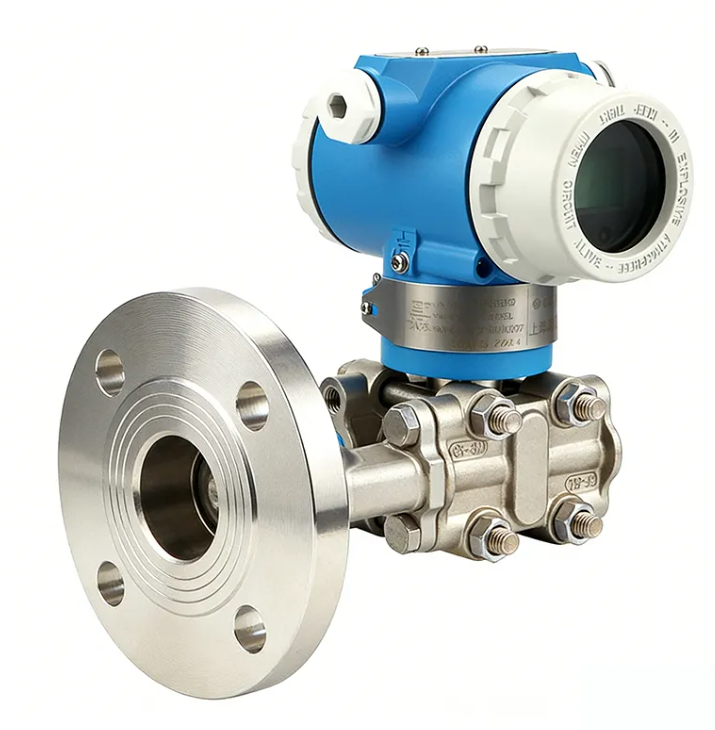
A pressure transmitter improves accuracy and stability when its range, sensor design, materials, and installation method are matched carefully to the real industrial process.