
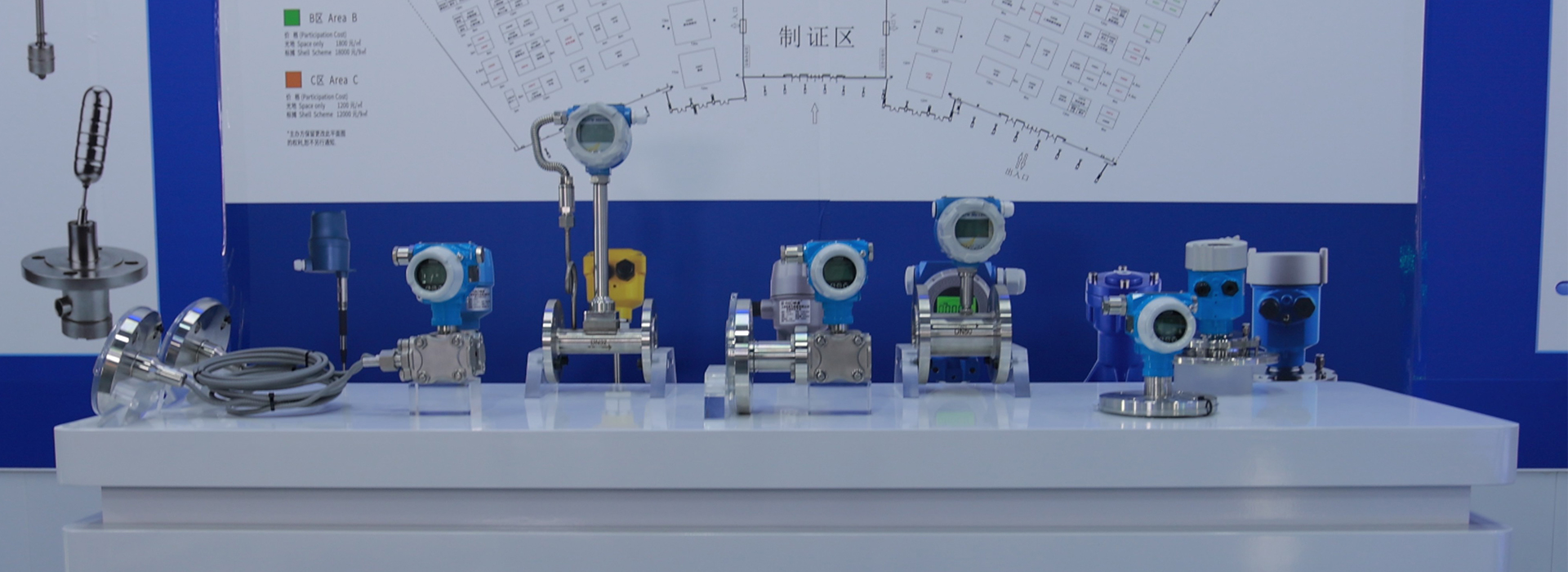
Float level switches are one of the most established solutions for liquid level control because they offer straightforward operating principles, broad application coverage, and dependable switching performance. They are used in water tanks, chemical vessels, lubrication systems, wastewater equipment, and many industrial utility processes. But long-term stable control depends on choosing the right float design, mounting type, material compatibility, and switching logic. A float switch that looks simple can still perform poorly if it is not matched to the process correctly.
Liquid Properties And Mounting Style Determine Basic Suitability
The first thing to assess is the nature of the liquid. Density, viscosity, conductivity, corrosiveness, and cleanliness all affect float behavior and material compatibility. A float that works well in clean water may not perform reliably in viscous oil, contaminated wastewater, or chemical media. If liquid density is too low for the selected float, switching performance may become unstable. If chemical compatibility is not checked carefully, long-term durability may be compromised.
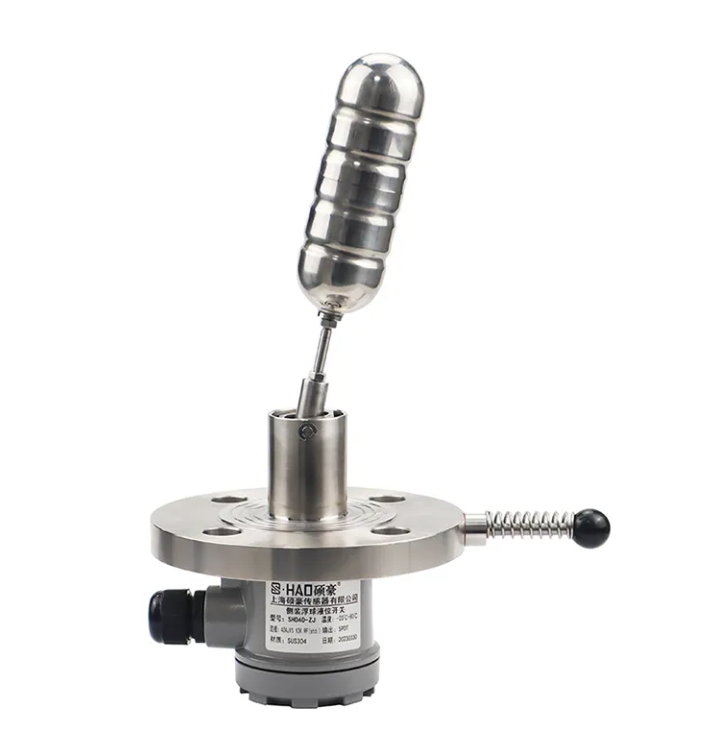
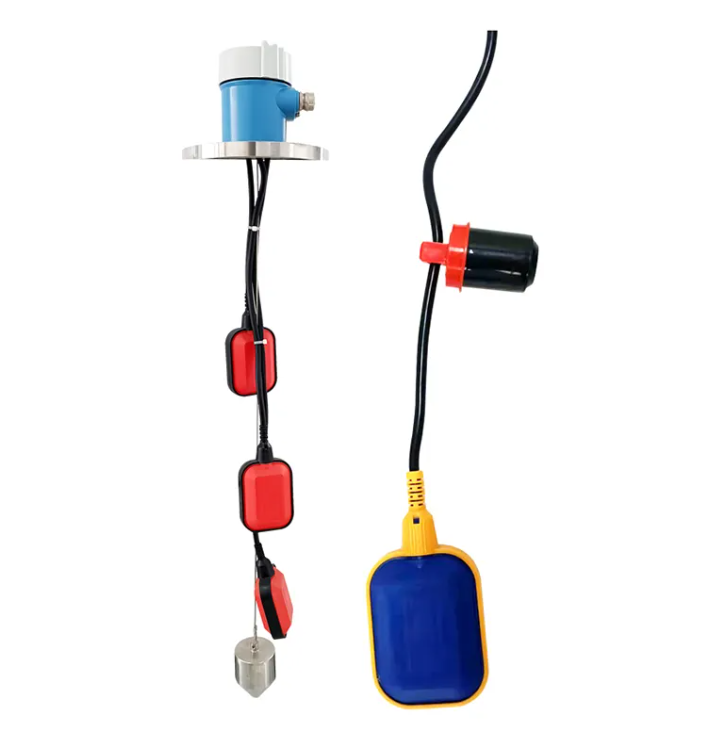
Mounting style is equally important. Side-mounted, top-mounted, and vertical rod-type float switches each suit different vessel designs and control purposes. Some are better for compact tanks, while others are more suitable for multiple switching points or narrow chambers. The best mounting arrangement is the one that allows the float to move freely and respond consistently under real operating conditions.
Mechanical Design And Switch Logic Affect Stability Over Time
A stable float level switch depends on more than just buoyancy. The internal switching mechanism, hinge or guide structure, sealing design, and cable or stem strength all influence long-term performance. In applications with repeated cycling, vibration, or variable liquid conditions, poor mechanical design can lead to sticking, delayed switching, or premature wear. A well-designed float switch should maintain stable operation across thousands of cycles without frequent adjustment.
Switching logic should also match the control requirement. High-level alarm, low-level protection, pump start-stop control, and dual-point monitoring each require different switching arrangements. In some systems, fail-safe logic is especially important to reduce process risk. Long-term stable control is achieved when the float switch is selected not only as a hardware item, but as an integral part of the level control strategy.
Reliability Improves When The Float Switch Matches The Real Process Environment
Long-term reliability is strongly influenced by installation conditions. Tank geometry, turbulence, foam, solid particles, and flow disturbance can all affect float movement. In some cases, protective chambers or guide pipes help improve stability. In others, a different mounting location may solve false switching more effectively than changing the product itself. Temperature and pressure should also be verified, especially in industrial process vessels.
The best float level switch is the one that fits the liquid, the vessel, and the operating duty together. When those factors are aligned, float switches remain one of the most reliable and cost-effective ways to achieve stable liquid level control over time. Their simplicity is a strength, but only when applied with real process understanding.
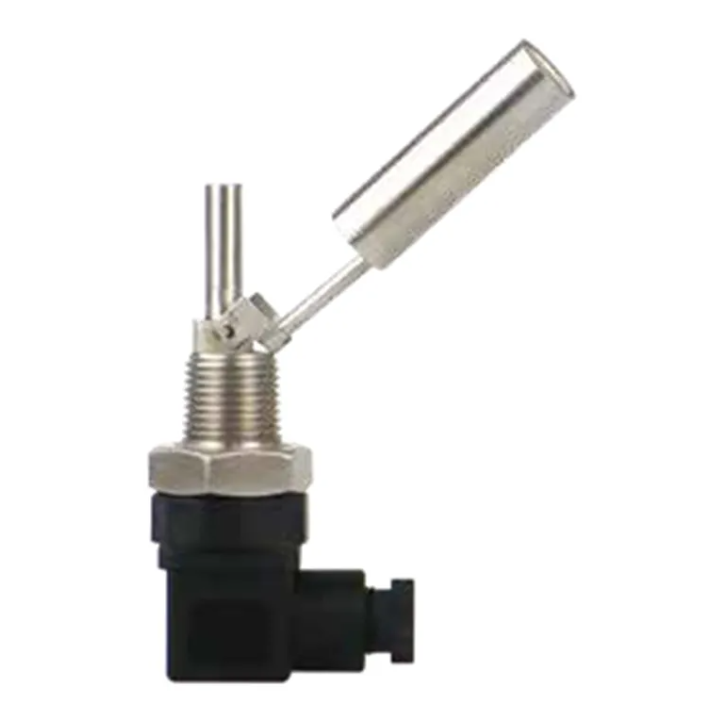
Choosing a float level switch for long-term stable control means matching float design, mounting type, switching logic, and process environment to the real liquid application.