
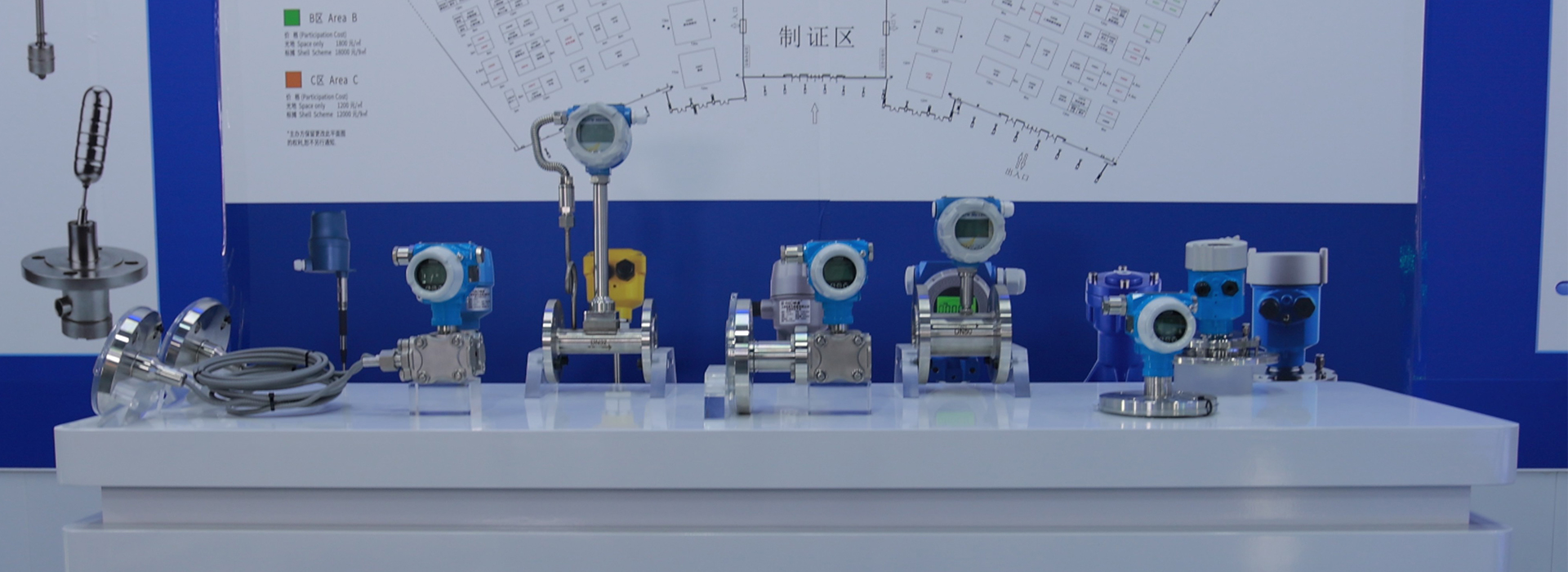
Magnetic level gauges remain a highly trusted solution in industrial tank monitoring because they provide simple, visible, and robust level indication without relying entirely on electronic output. In many plants, operators still value the ability to confirm tank level at a glance, especially in chemical storage, process vessels, utility systems, and hazardous areas. While advanced transmitters and digital monitoring systems continue to expand, magnetic level gauges still play an important role because they combine visibility, process isolation, and long-term dependability in a practical design.
Visible Indication Creates Immediate Process Confidence
One of the strongest advantages of a magnetic level gauge is direct visual confirmation. Operators can quickly see the level condition locally without opening a tank or depending only on a control system display. In industrial environments where fast verification matters, this visibility improves operating confidence and helps reduce response time during routine inspection or process abnormality.
This visible indication is especially valuable in applications where safety and process awareness are important. In chemical tanks, utility vessels, and storage systems, a local gauge gives an extra layer of assurance. Even when transmitters and switches are installed, many plants still prefer a magnetic level gauge as a dependable reference point. That combination of simple readability and process awareness is one reason the technology remains widely trusted.
Process Isolation And Mechanical Simplicity Improve Reliability
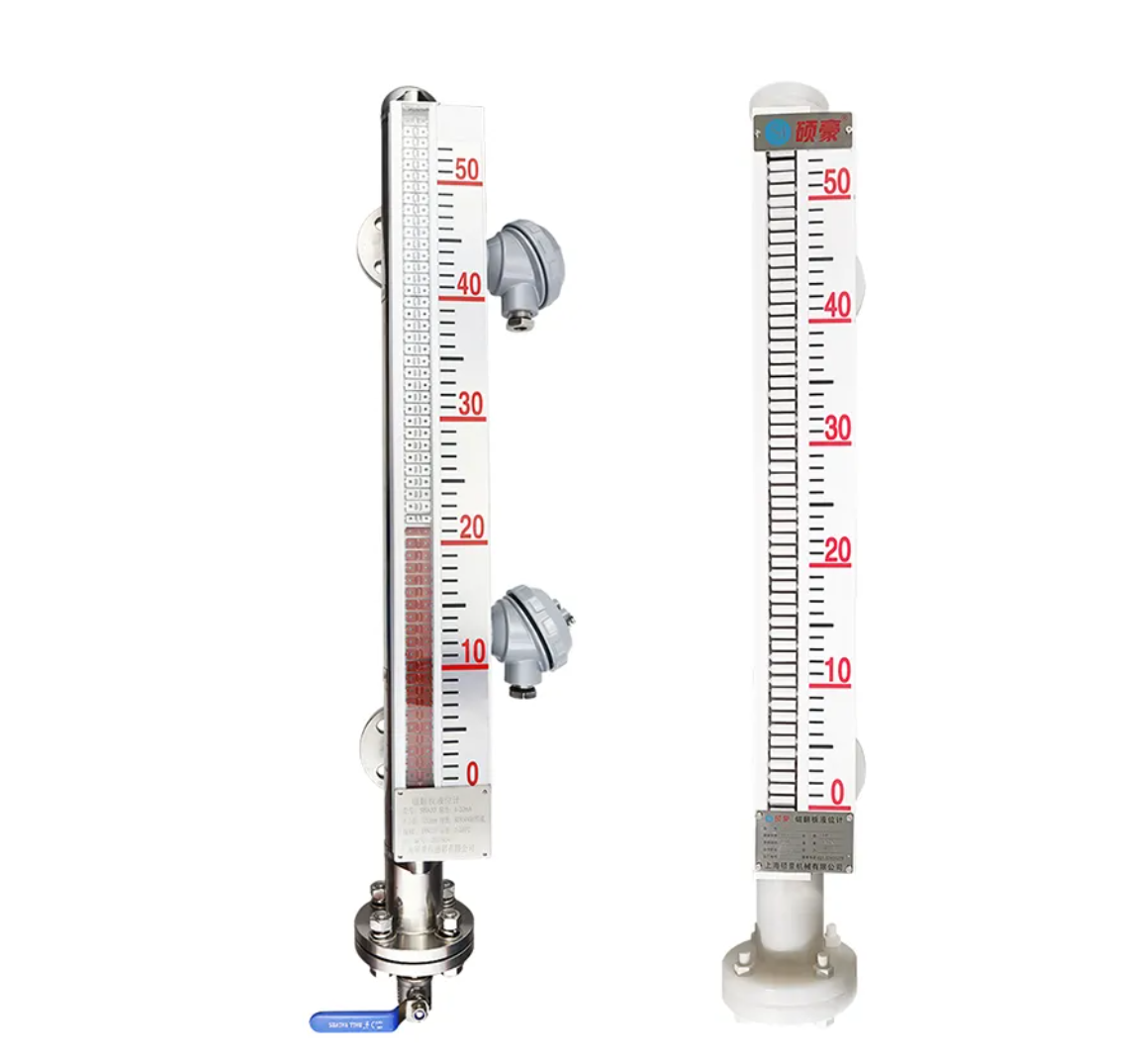
Magnetic level gauges typically separate the process medium from the indicator through a sealed chamber and float system. This design allows the level to be displayed externally while the fluid remains contained, which improves safety and supports use with corrosive, toxic, or pressurized media. Because the indication principle is mechanical and magnetic rather than dependent on constant powered measurement, the system can remain highly dependable over long service periods.
Mechanical simplicity is another major benefit. With fewer complex electronic elements exposed directly to the process, magnetic level gauges are often easier to maintain and less sensitive to electrical interference. When designed with the correct chamber material, float selection, and process connection, they provide stable and reliable tank monitoring in demanding industrial applications.
Modern Tank Monitoring Still Benefits From A Strong Local Level Reference
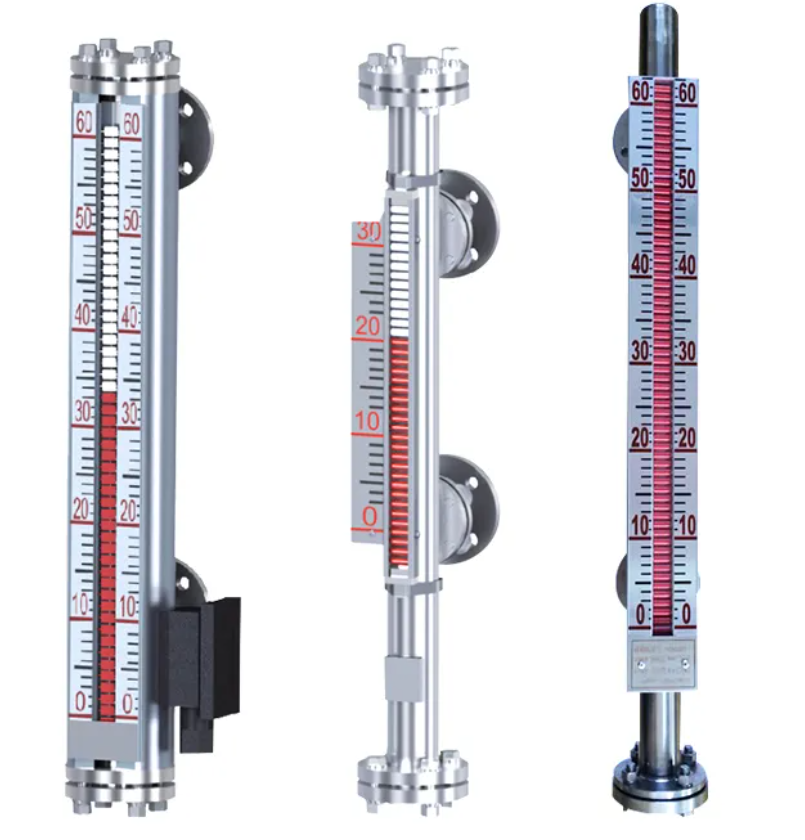
Even in plants that use automation and remote monitoring, local level visibility remains important. A magnetic level gauge can work as a stand-alone indicator or be combined with switches and transmitters to support alarm and control functions. That makes it highly flexible for projects that want both local indication and system integration. In practice, many engineers still value having a visible, independent reference that can confirm process status during startup, maintenance, or troubleshooting.
This is why magnetic level gauges continue to be trusted. They are not outdated instruments. They are practical tools that solve real plant needs with clarity and reliability. In tank monitoring, visible local indication is still a powerful advantage, and magnetic level gauges continue to provide it in a simple, proven form.
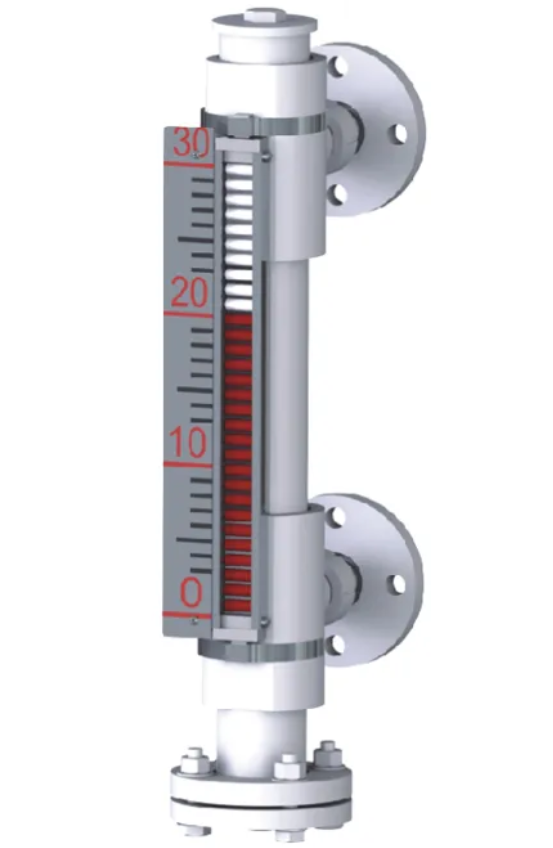
Magnetic level gauges remain trusted because they provide clear local visibility, reliable process isolation, and practical long-term tank monitoring performance. Their value is not only tradition, but real operating usefulness.