
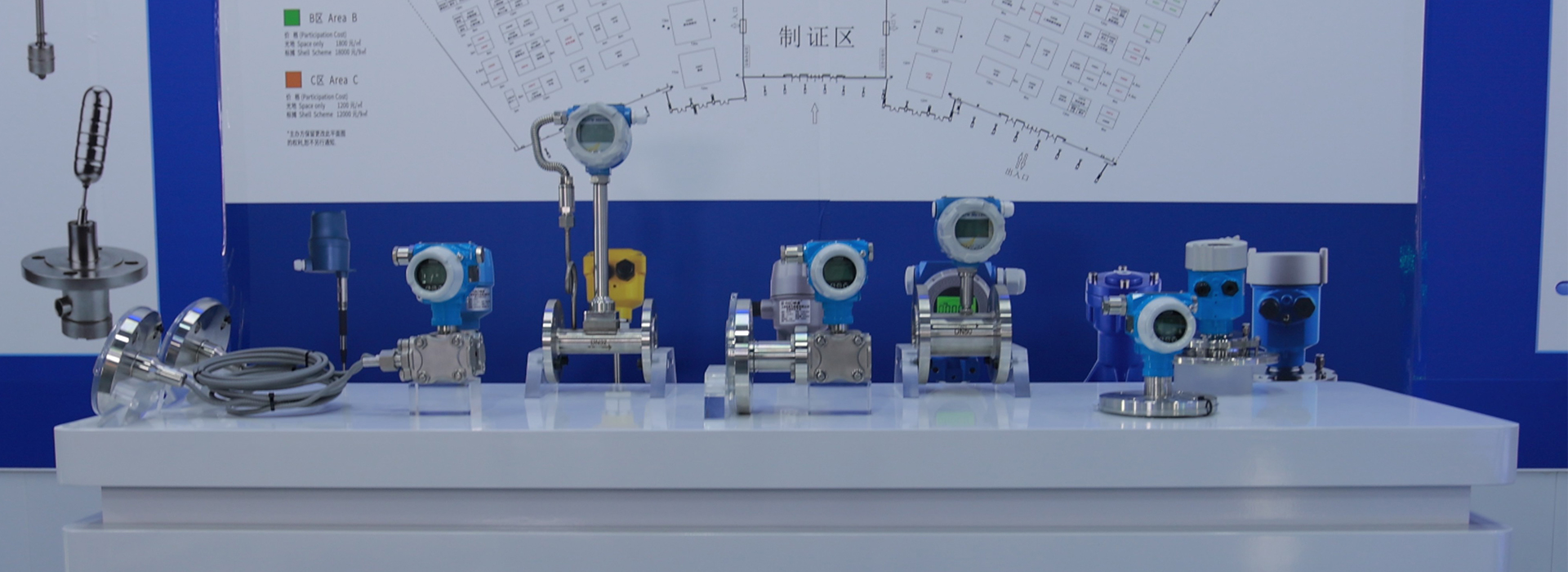
Capacitance level switches are widely used for point level detection in liquids, powders, granules, slurries, and interface applications because they offer flexible design and broad application coverage. However, detection accuracy depends heavily on selecting the right probe type, sensitivity range, and process configuration. When the wrong model is applied, signal drift, false triggering, and unstable switching can appear quickly. When the right model is selected, capacitance level switches provide a practical and dependable way to improve level detection in many industrial processes.
Detection Accuracy Starts With Understanding Material Electrical Behavior
Capacitance level switches work by sensing changes in electrical properties around the probe, so material characteristics are fundamental to performance. Dielectric constant, conductivity, moisture content, density, and coating tendency all influence how accurately the switch can detect the target level. A product that responds well in clean liquids may become unstable in sticky powders or mixed-phase media if the probe design and sensitivity are not correct.
This is why accurate selection cannot be based only on whether the medium is called “liquid” or “solid.” Two different powders can behave very differently from an electrical sensing perspective. The same is true for oils, chemicals, and food products. Understanding how the medium interacts with the sensing element is the first step toward reliable detection accuracy. Without that, even a well-built switch may appear inconsistent in the field.
Probe Configuration And Sensitivity Setting Directly Affect Switching Stability
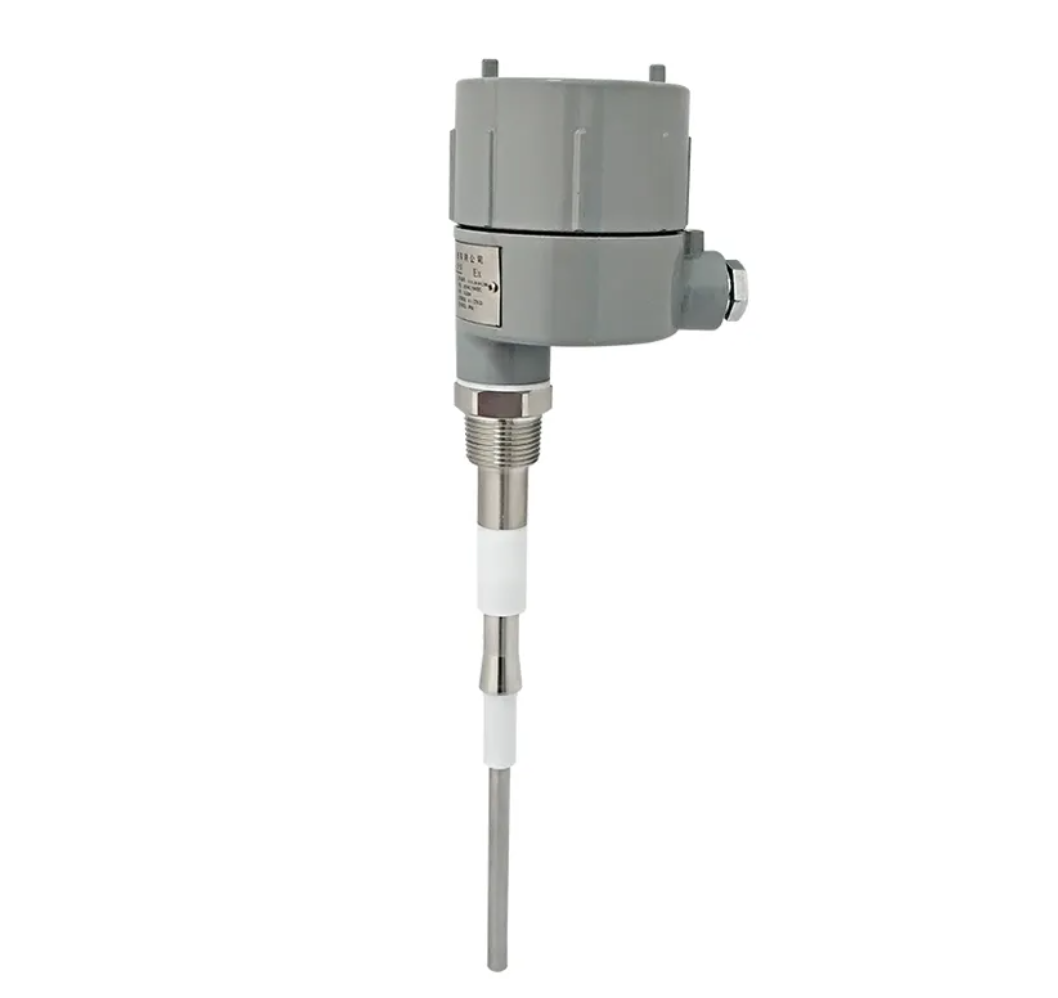
Capacitance switches are available in rod, cable, and compact probe designs, and each one suits different installation depths and vessel structures. The right probe length and insulation design help the sensor interact correctly with the measured medium while avoiding unnecessary influence from vessel walls or material residue. For difficult applications, adjustable sensitivity is especially important because it allows the switching point to be tuned more precisely to the actual material condition.
Installation also affects accuracy. Probe position, insertion depth, and distance from walls or nozzles should be selected carefully. In some applications, build-up on vessel walls or the presence of conductive residue can distort the sensing field. That means the best detection result is achieved not only by choosing the right switch, but also by applying it in a way that reduces process interference. A good capacitance level switch becomes much more accurate when the full application setup is considered.
Better Accuracy Comes From Matching Technology To Real Process Conditions
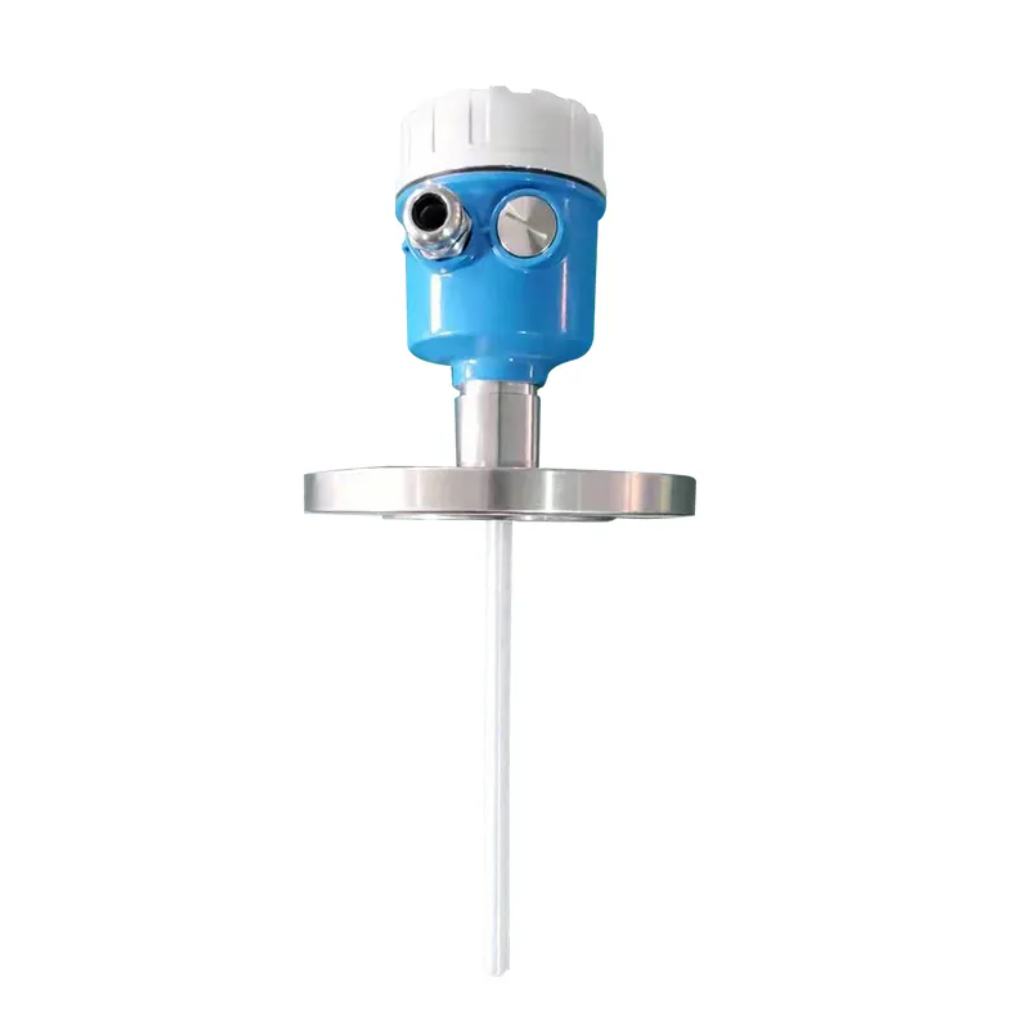
Capacitance level switches are most effective when they are selected as application-specific instruments rather than generic level devices. Temperature, pressure, vibration, coating, and material variation should all be considered. In sanitary processes, probe finish and cleanability matter. In dusty or abrasive solids, structural protection becomes more important. In corrosive media, wetted material compatibility must be checked carefully.
When these factors are handled correctly, capacitance level switches can deliver fast and repeatable detection across many different processes. They offer strong flexibility and compact installation, which makes them useful in both standard and specialized applications. Improving level detection accuracy is not about choosing the most sensitive switch in theory. It is about choosing the right capacitance level switch for the exact process conditions.
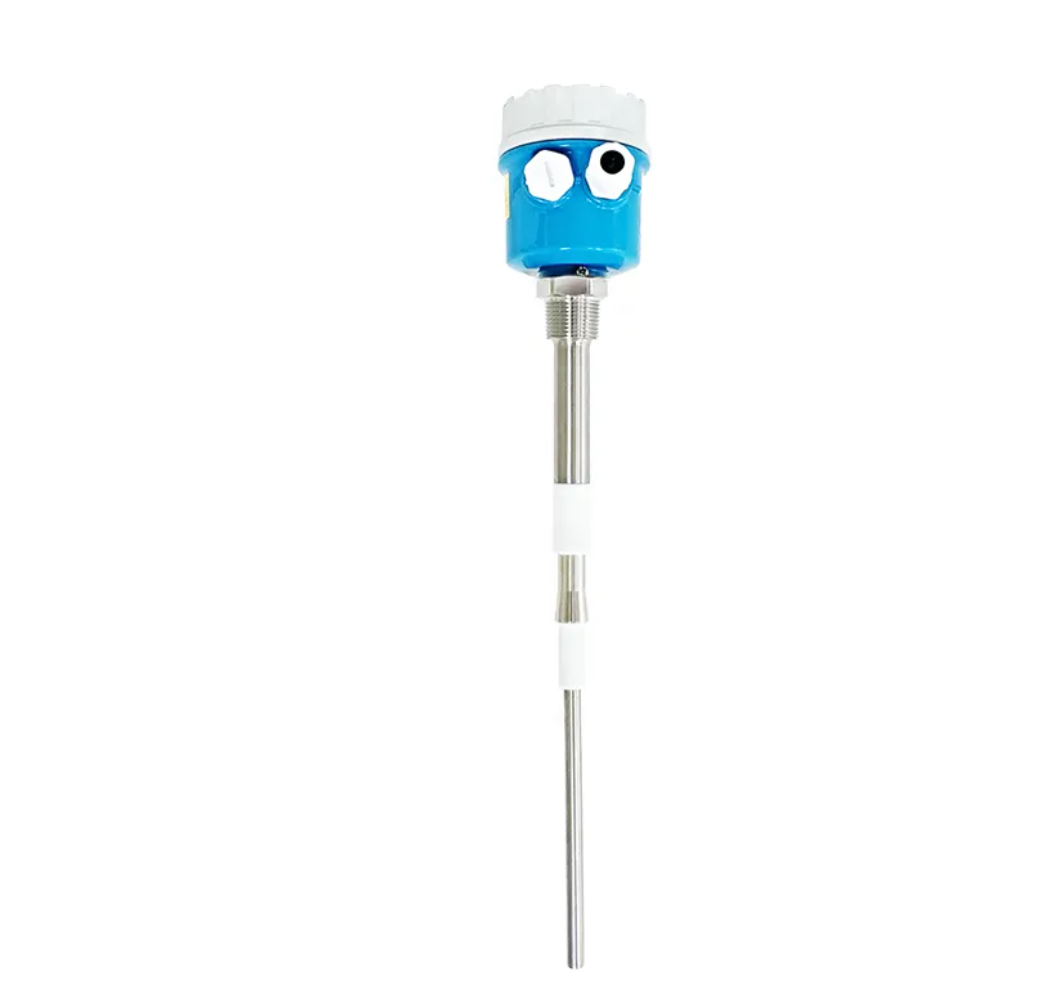
Improving level detection accuracy with a capacitance level switch depends on understanding the medium, selecting the right probe and sensitivity, and reducing process interference through proper application design.