
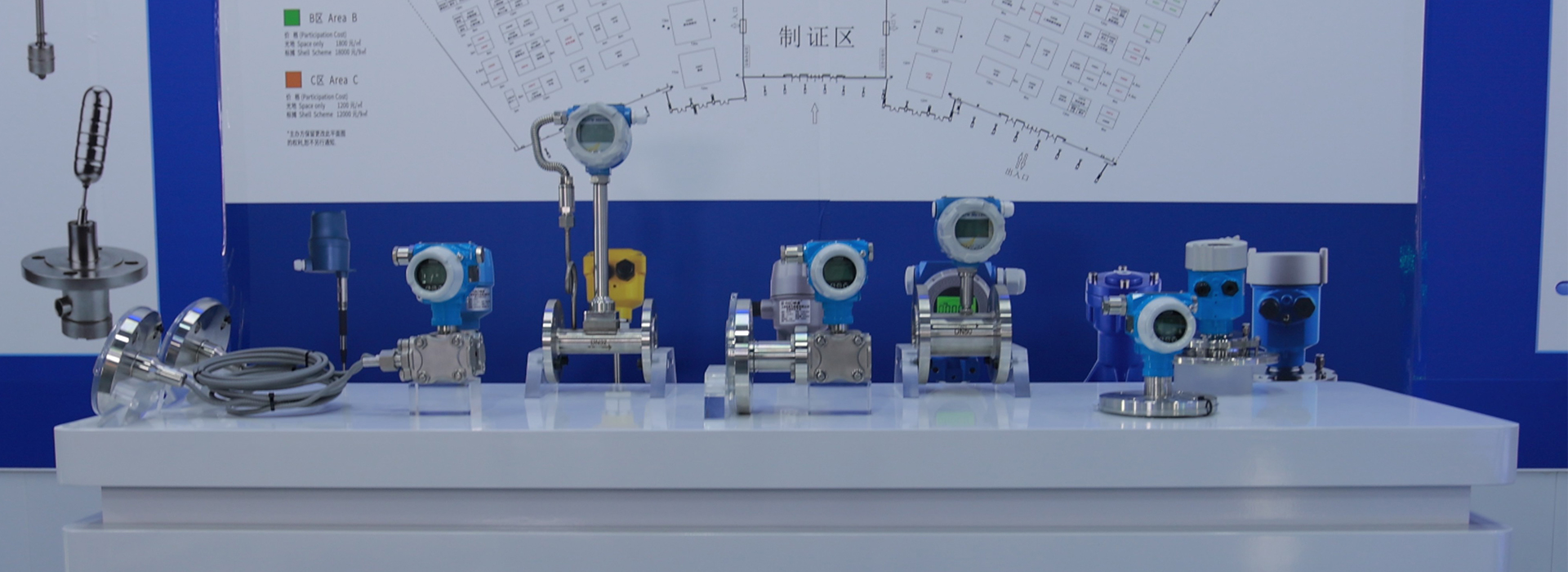
Radar level transmitters have become one of the most important technologies for continuous level measurement in modern industry. They are widely used in liquid tanks, solid silos, chemical vessels, food processing systems, and harsh outdoor installations because they offer non-contact or guided measurement, strong adaptability, and high measurement precision. However, choosing the right radar level transmitter requires more than comparing measuring range. Real accuracy depends on media characteristics, installation conditions, signal stability, and process environment.
Measurement Performance Depends On The Medium And Vessel Conditions
The first selection step is understanding what is being measured. Liquids, powders, granules, viscous media, and low-dielectric materials reflect radar signals differently. A transmitter that works well in water storage may not perform equally well in a dusty cement silo or a narrow chemical reactor. Material surface condition also matters. Foam, turbulence, condensation, and irregular bulk solid topography can reduce signal quality if the radar type is not matched correctly.
The tank or silo itself affects performance too. Height, internal obstructions, nozzles, ladders, agitators, and wall build-up can all influence signal reflection. In difficult vessels, beam angle and antenna choice become especially important. For some applications, higher-frequency radar helps improve focus and accuracy. In others, guided wave radar may be more suitable than free-space radar because the signal path is controlled. Good selection always begins with the real measuring environment, not only the maximum range printed in the brochure.
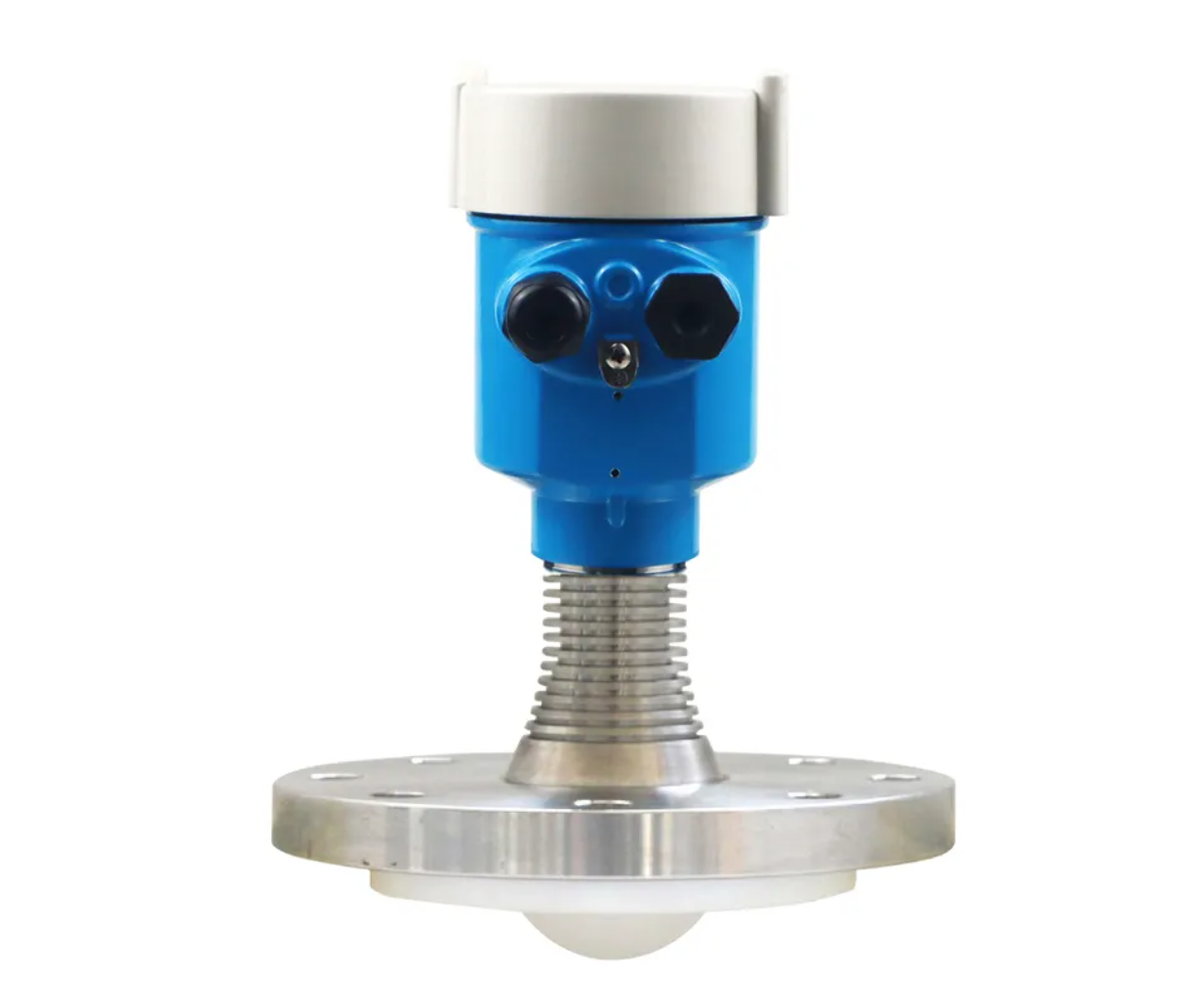
Accuracy Requires The Right Radar Type, Frequency, And Antenna Design
Radar level transmitters vary in type, frequency, and antenna structure, and these choices strongly affect measurement quality. High-frequency radars often provide narrower beam angles and better focusing, which helps in tall or narrow vessels. Antenna design determines how well the signal enters the tank and how resistant it is to dust, condensation, or process contamination. In some applications, flush antennas or special process seals are needed to support cleaning, pressure resistance, or hygienic requirements.
For solid materials, dust and uneven surfaces must be considered carefully. For liquids, the influence of foam, dielectric constant, and vapor conditions should be assessed. When high accuracy is required, the transmitter should not be selected as a generic level instrument. Instead, it should be treated as a measurement solution whose signal behavior must fit the medium, the tank geometry, and the plant operating pattern. That is how stable accuracy is achieved in real use.
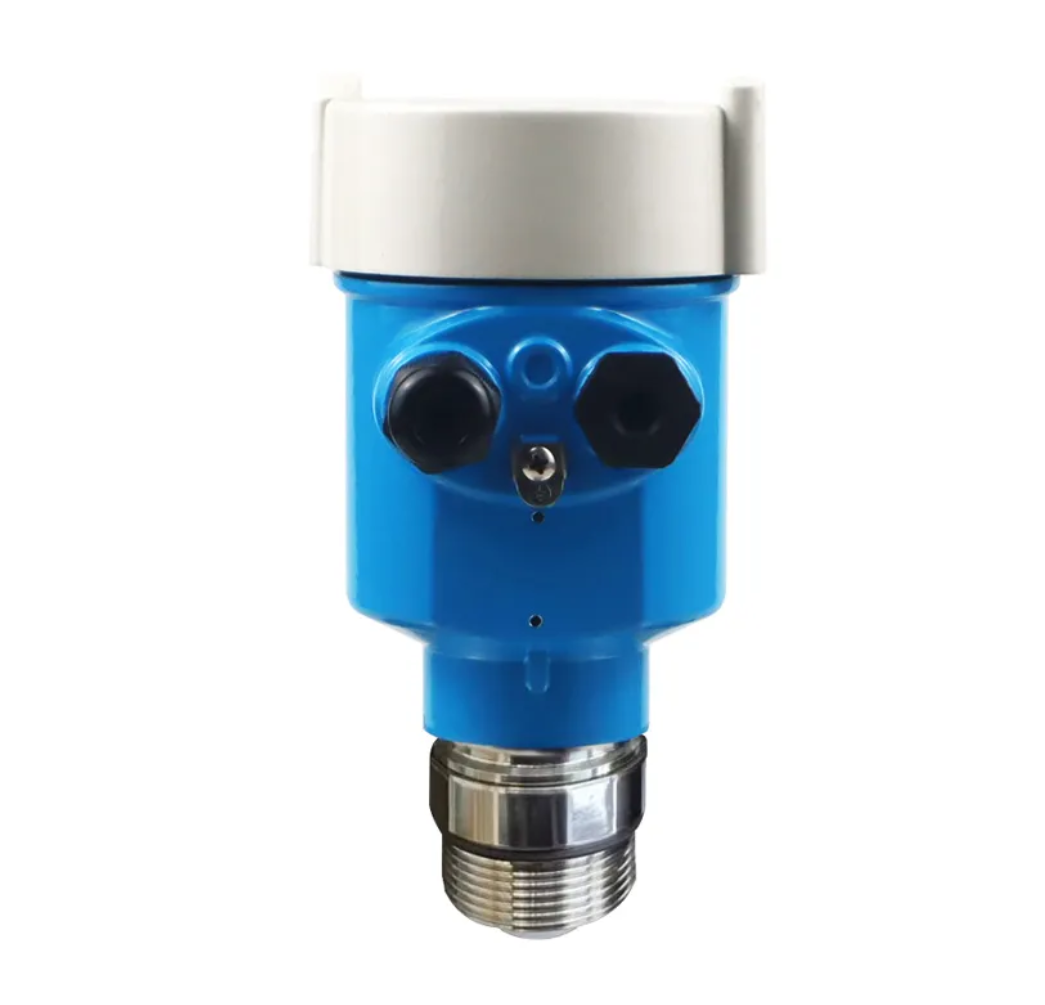
Long-Term Reliability Depends On Installation Quality And Process Matching
Even the best radar transmitter can underperform if installation is not correct. Mounting location should avoid direct obstruction, strong filling streams, and unnecessary reflection points. Nozzle length, alignment, and process connection quality can all influence signal strength. In outdoor or harsh industrial environments, housing protection, temperature resistance, and electrical stability are also critical.
A reliable radar level transmitter is one that continues to deliver trustworthy readings under changing process conditions. That includes level fluctuation, dust, vapor, temperature change, and continuous operation over time. The best choice is not simply the most advanced model, but the one that is correctly matched to the process and installed with measurement performance in mind. When those conditions are met, radar becomes one of the most accurate and dependable technologies for industrial level measurement.
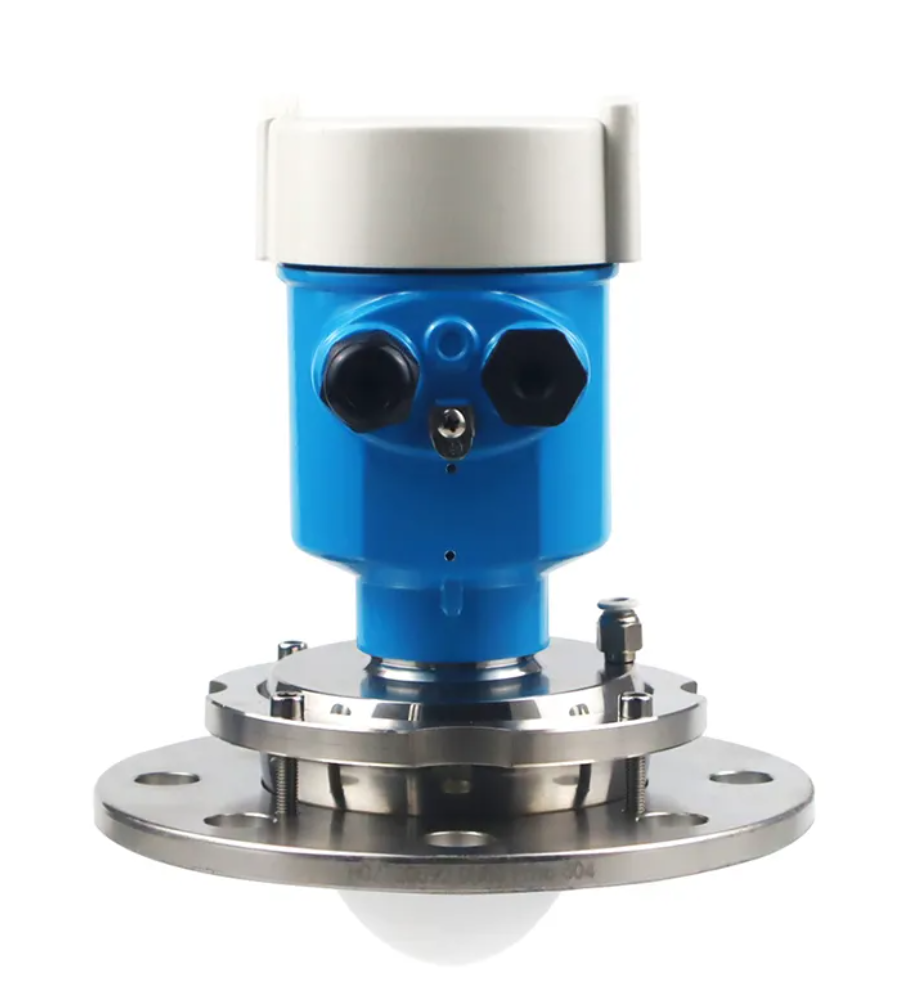
The right radar level transmitter achieves accurate measurement by matching radar type, frequency, antenna, vessel condition, and installation method to the real application. Accuracy is not a catalog number alone; it is the result of proper application engineering.