
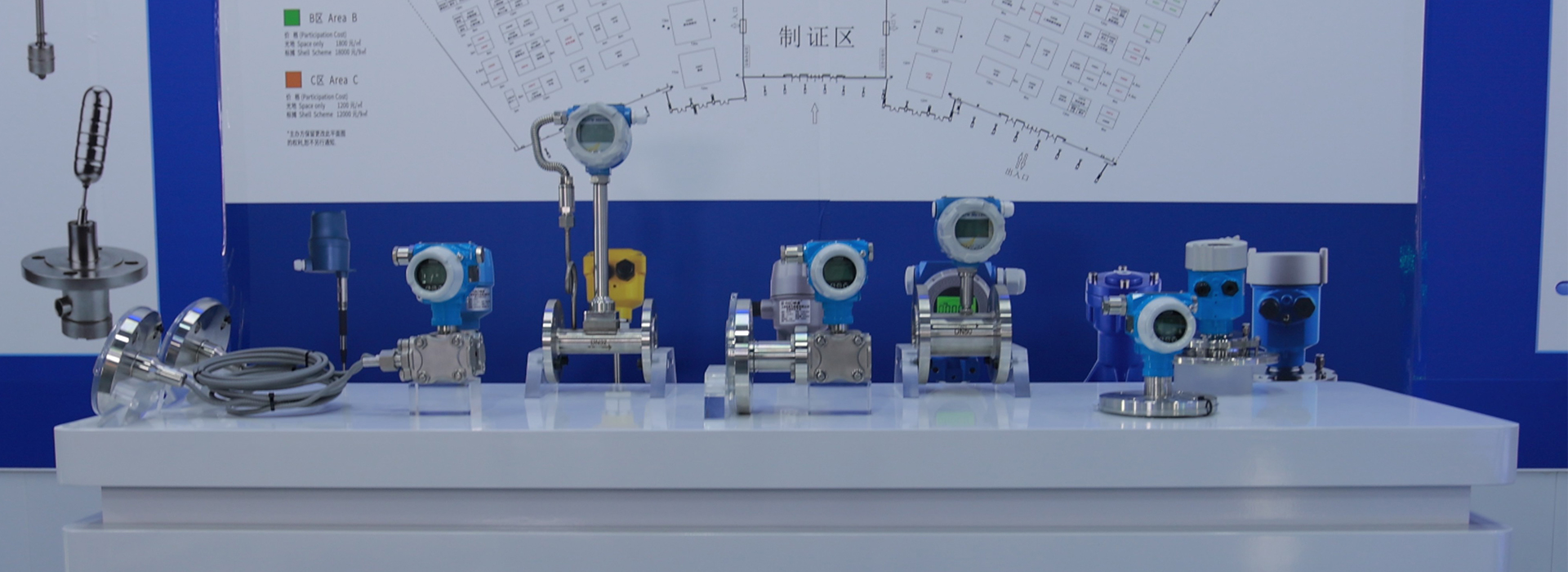
RF admittance level switches are often selected for applications where conventional point level devices struggle. Sticky powders, conductive media, dusty solids, and materials that create coating or build-up can easily reduce the accuracy of simpler technologies. RF admittance designs are valued because they can distinguish true material contact from unwanted coating effects more effectively, making them especially useful in difficult industrial conditions. When process reliability matters, this technology often provides a more dependable answer than basic capacitive or mechanical switching methods.
Difficult Materials Need More Than Basic Point Level Detection
Many industrial materials are far from easy to measure. Cement, fly ash, grain dust, carbon black, slurry, sticky powders, and conductive products often create unstable detection conditions. Some materials cling to the probe surface. Others create dust clouds, uneven flow, or rapid density change. In these situations, simple switching technologies may trigger too early, fail to reset correctly, or generate repeated false alarms.
RF admittance switches are designed to handle these problems by improving the way the device interprets the electrical change around the probe. Instead of reacting only to basic capacitance variation, the technology is better able to separate the effect of actual material presence from the effect of coating or residue. That difference is one of the main reasons RF admittance switches are often preferred in sticky, dusty, and difficult applications where process interruption is costly.
Coating Compensation And Process Adaptability Improve Reliability
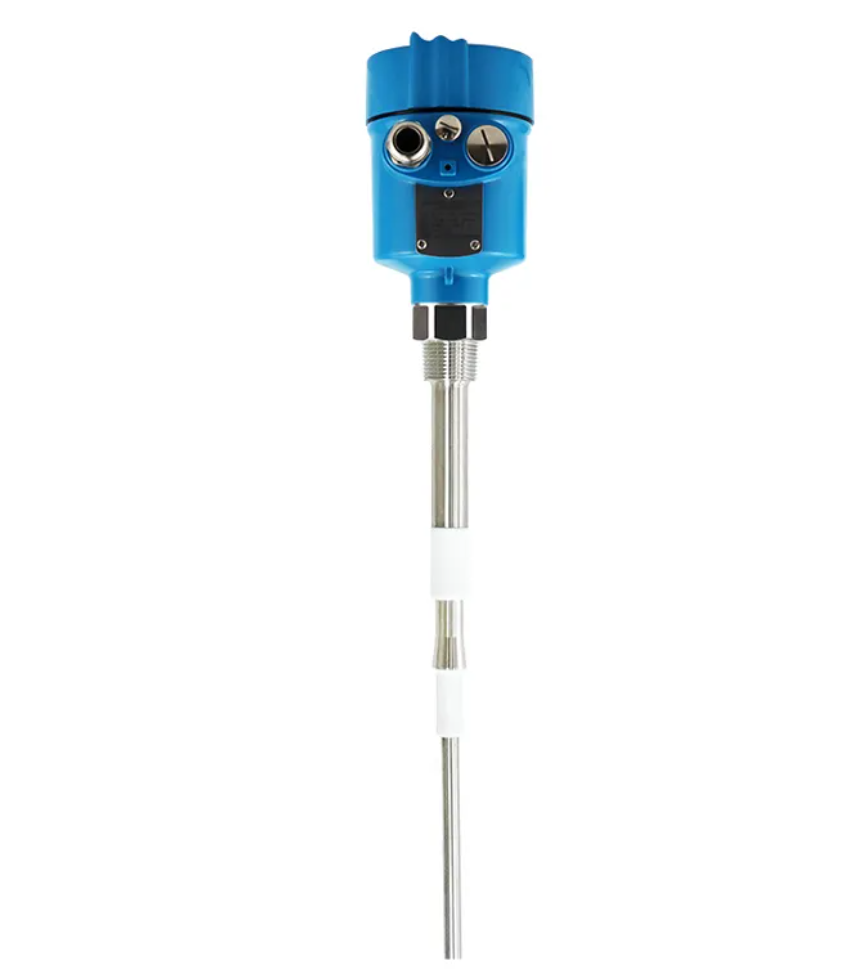
One of the most important benefits of RF admittance technology is its ability to reduce the influence of probe coating. In many industrial tanks or silos, product residue remains on the sensing element even when the main material level falls away. With a simpler device, that residue may still appear as a valid detection signal. RF admittance designs help compensate for this effect, which improves measurement reliability and reduces maintenance intervention.
This technology is also adaptable across a wide range of processes. It can be used in powders, granules, slurries, and liquids with the right probe structure and configuration. Rod probes, cable probes, and special designs allow the switch to match different installation depths and vessel shapes. That flexibility makes RF admittance switches useful in both general industrial service and more demanding environments where stable point level detection is hard to achieve.
Better Selection Comes From Matching Probe Design To Real Application Challenges
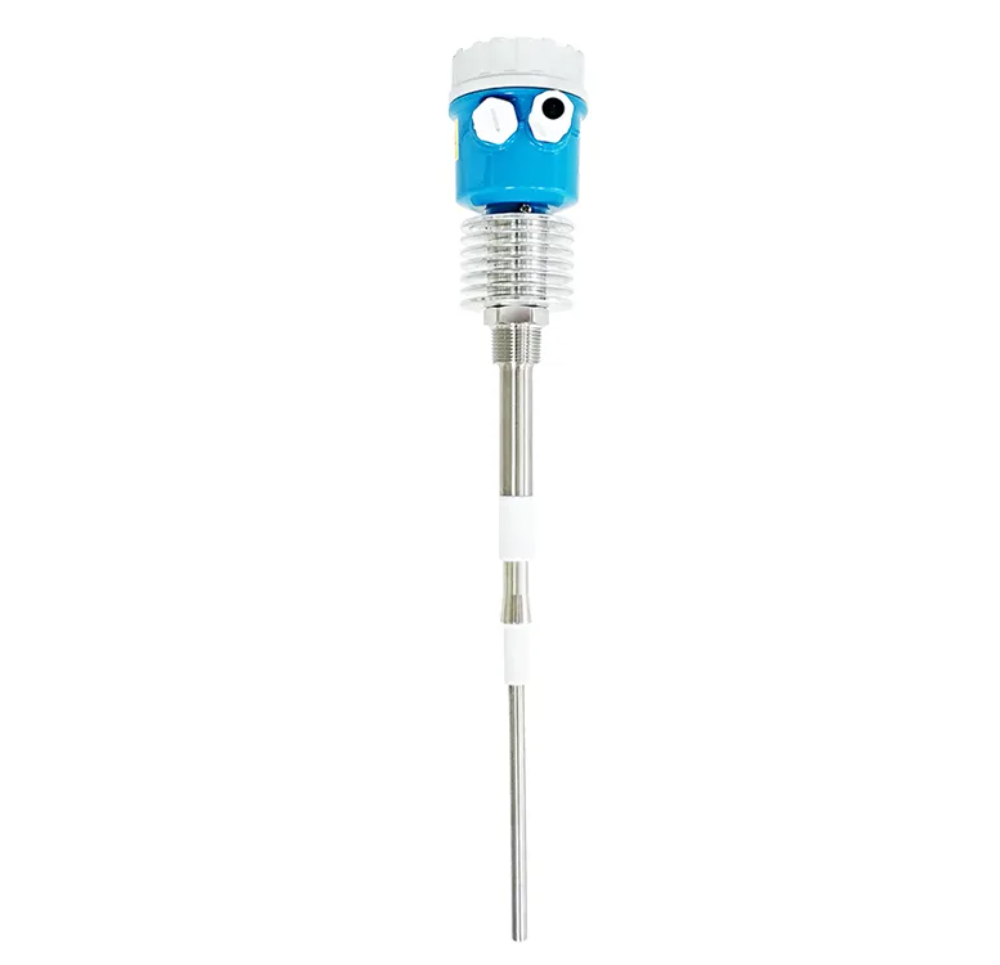
Even though RF admittance switches offer clear advantages, performance still depends on correct selection. Probe length, insulation design, temperature rating, pressure resistance, and process connection should all match the real operating environment. For dusty solids, mechanical robustness and sealing matter. For sticky liquids or slurries, probe surface design and anti-coating performance are especially important. For conductive materials, the switching logic must be matched carefully to avoid unstable output.
The real strength of RF admittance switches is that they help improve process confidence where other methods become unreliable. When selected correctly, they reduce false alarms, improve level control continuity, and support safer, more stable operation in challenging industrial applications. That is why they are often considered a better choice for sticky, dusty, and difficult materials.
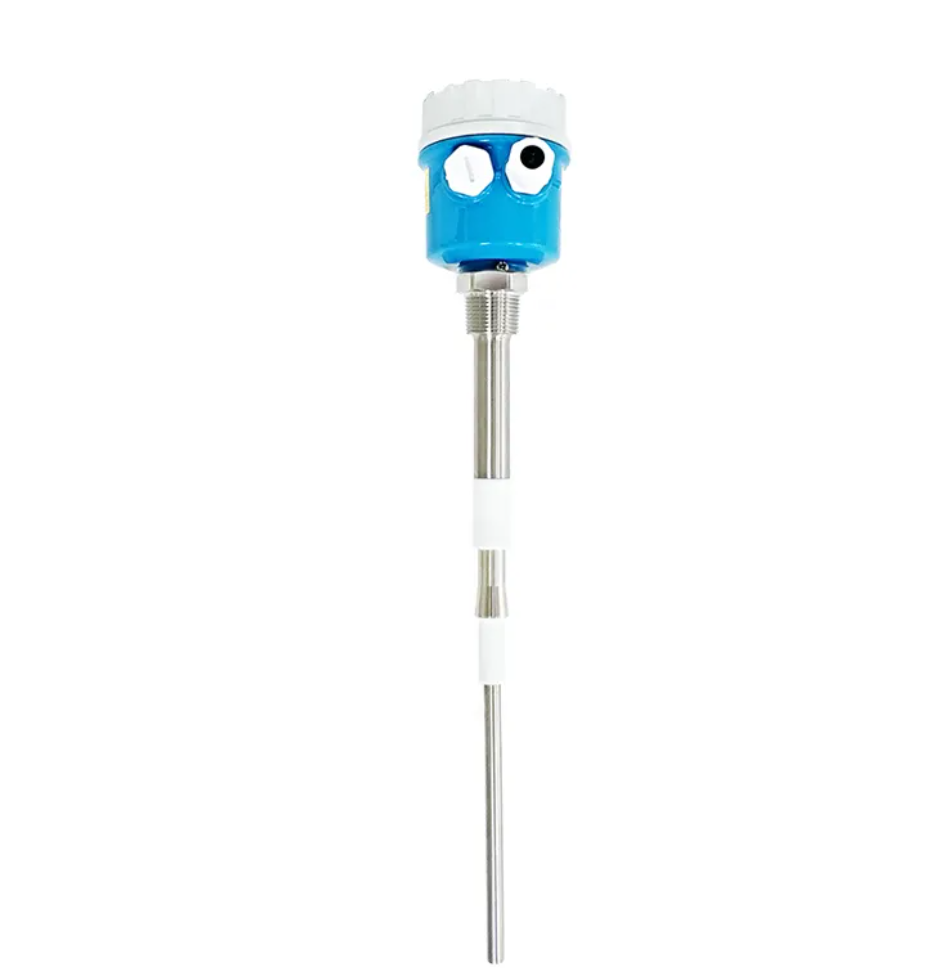
RF admittance level switches are often better for difficult materials because they handle coating, dust, and unstable process conditions more effectively. Their value is highest where process interruptions and false signals create real operational cost.