
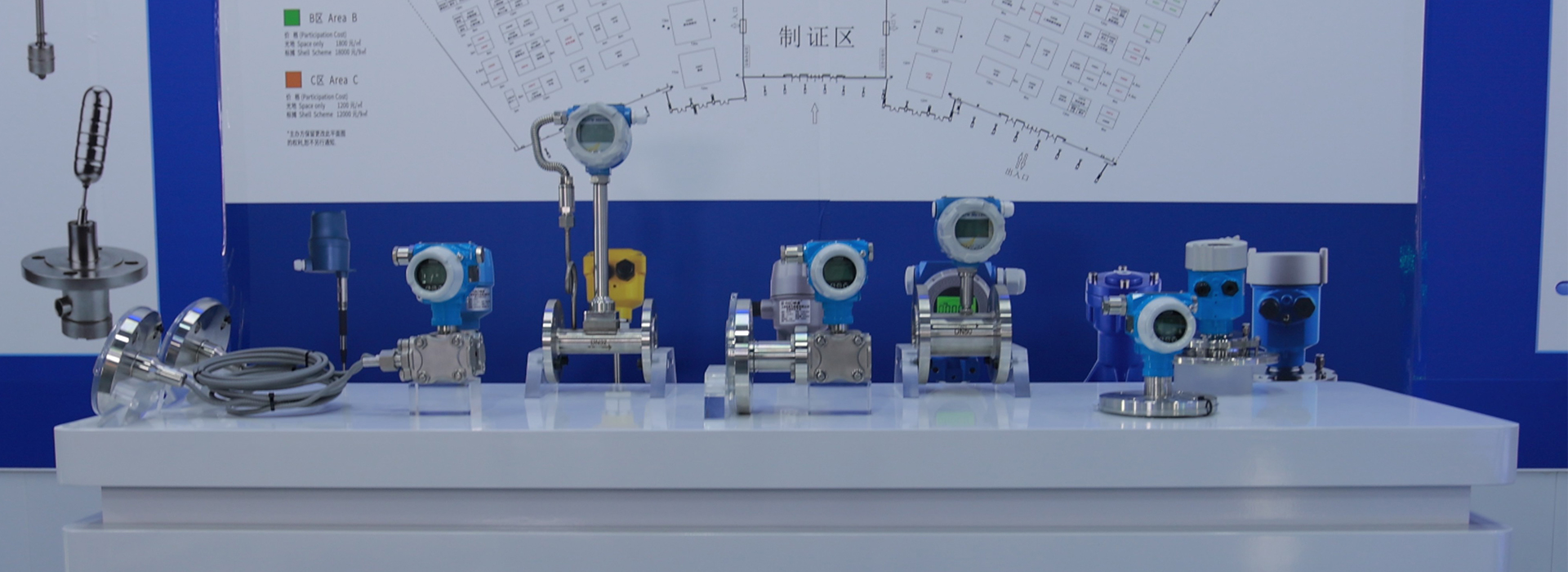
Vibrating fork level switches are widely used for point level detection in liquids, slurries, powders, and some fine solids because they offer compact structure, fast response, and relatively low maintenance. But not every vibrating fork level switch performs the same way under real operating conditions. Temperature fluctuations, turbulence, coating, bubbles, vibration, and media density can all influence signal stability. For plants that depend on continuous level control, the right switch must do more than detect presence or absence. It must remain dependable when the process becomes difficult.
Stable Detection Starts With Understanding The Medium And Process
The first step is to define exactly what the switch will detect. A vibrating fork level switch may be used in clean liquids, corrosive chemicals, viscous media, wastewater, foams, or powders. Each condition creates different challenges. In liquids with bubbles or heavy agitation, the tuning fork must resist false triggering. In sticky products, the fork design and sensitivity setting should reduce build-up influence. In powders or fine solids, the density and flow condition of the material determine whether the switch can detect level accurately without signal delay.
The process environment is just as important as the medium itself. Vessel pressure, operating temperature, filling speed, and internal turbulence can all affect switch stability. In many cases, a product that works well in a simple tank may not perform equally well in a narrow chamber, a vibrating pipe section, or a fast-moving process line. That is why application matching matters more than choosing a standard model from a generic specification sheet.
Fork Design, Frequency Stability, And Material Compatibility Matter
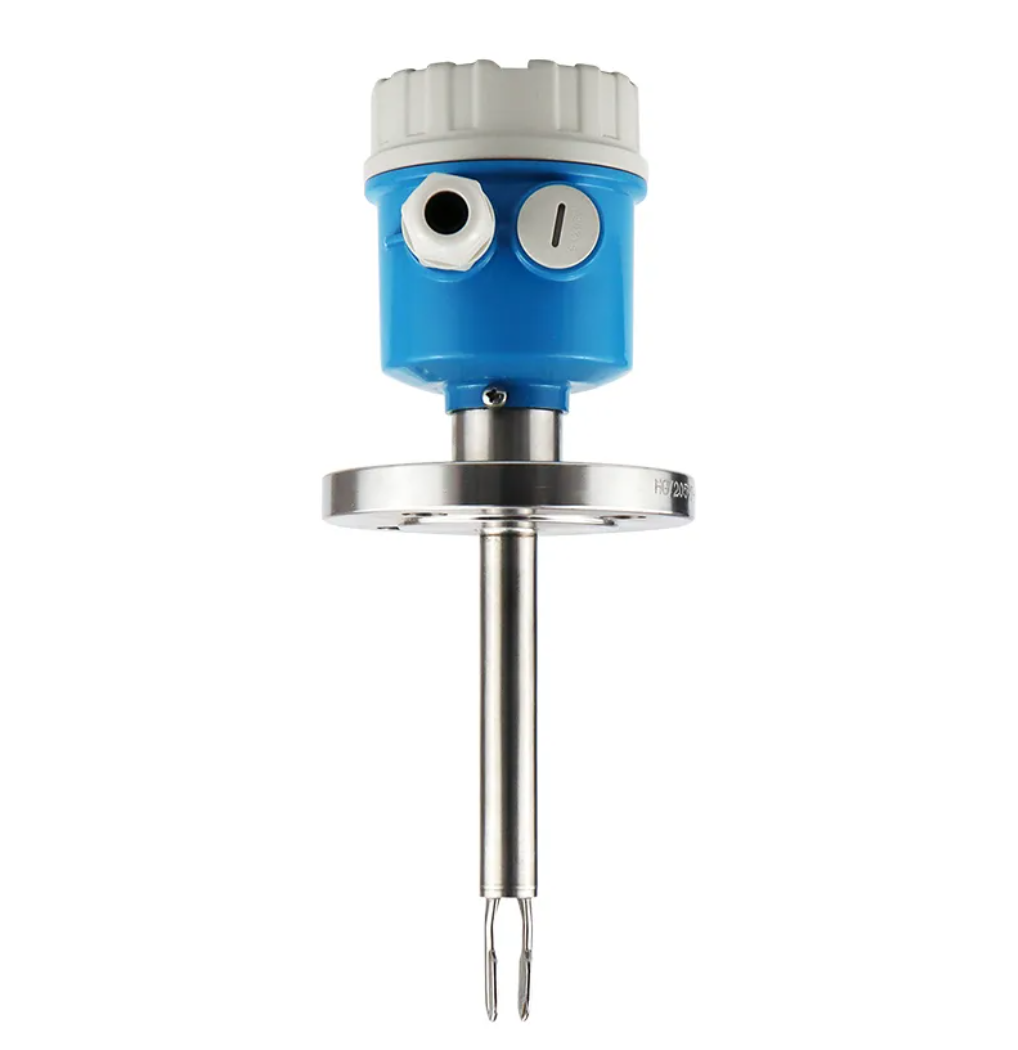
A stable vibrating fork level switch depends on the quality of its sensing structure. Fork size, resonant frequency, sensitivity range, and vibration resistance all matter. Smaller forks may fit compact installations, while longer or stronger forks may be more suitable for difficult media or higher process loads. Frequency stability is critical because a precise and consistent signal improves repeatability and reduces drift over time.
Material selection is also important. Stainless steel is common, but not every grade is suitable for every application. Corrosive liquids, sanitary processes, and abrasive media may require different wetted materials or surface finishes. For food, pharmaceutical, and high-purity processes, fork surface quality and cleanability may be just as important as switching accuracy. The right housing protection, cable entry sealing, and electrical output configuration should also match the plant environment and control system requirements.
Long-Term Performance Depends On Real Process Reliability, Not Only Lab Specifications
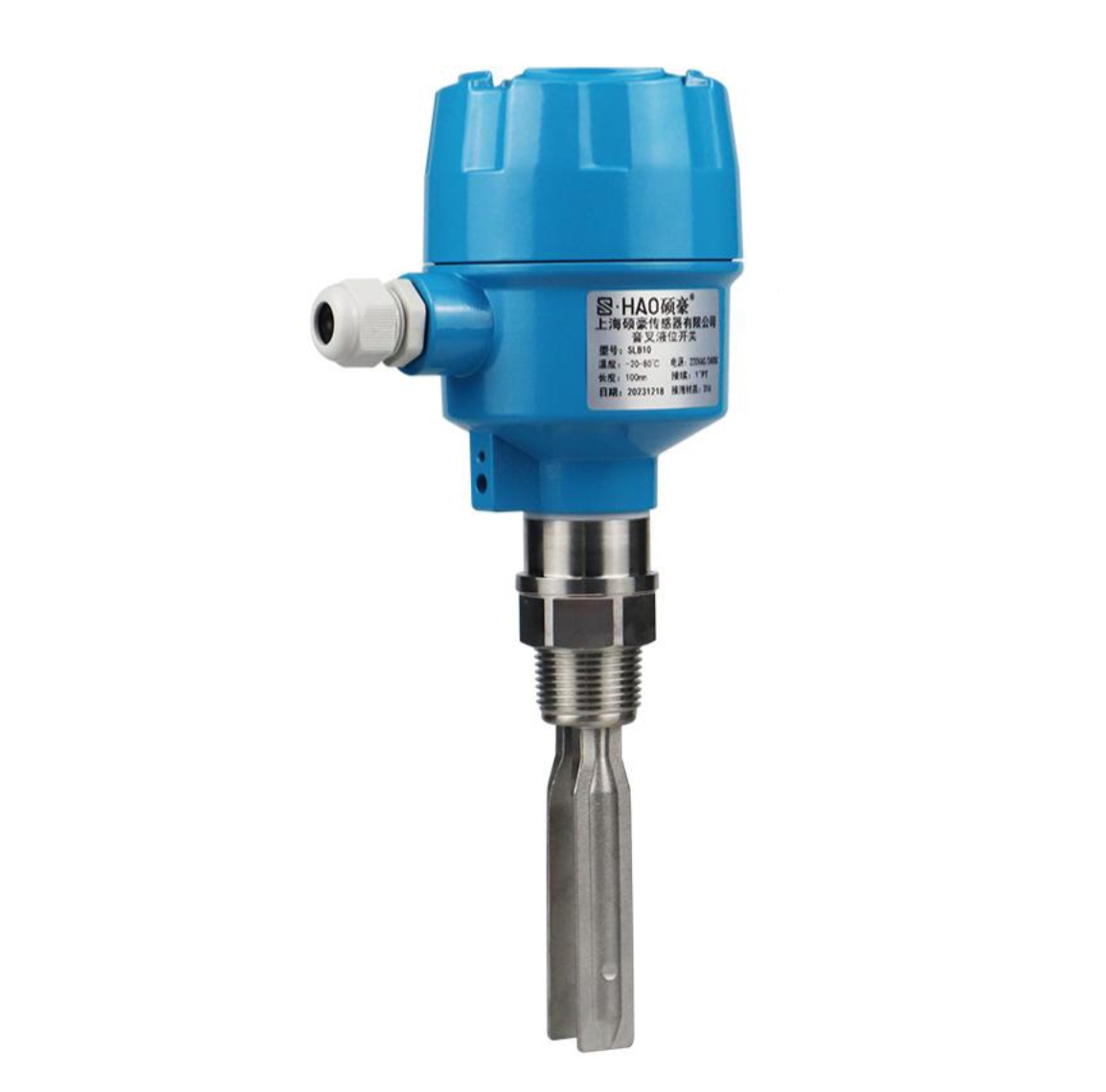
Many switches look similar on paper, but long-term process reliability reveals the real difference. In tough conditions, stable performance depends on resistance to coating, vibration, pressure change, and electrical interference. The switch should maintain consistent operation during frequent filling and emptying cycles, not just under static test conditions. Fast response is useful, but repeatable response is even more valuable in daily plant operation.
The best way to select a vibrating fork level switch is to treat it as part of a full control point, not as an isolated device. Installation location, insertion length, switching setpoint, and control logic all influence final performance. When properly matched, vibrating fork level switches provide a practical and reliable solution for many difficult liquid and solid detection tasks. The most dependable model is the one that remains stable when process conditions are no longer ideal.
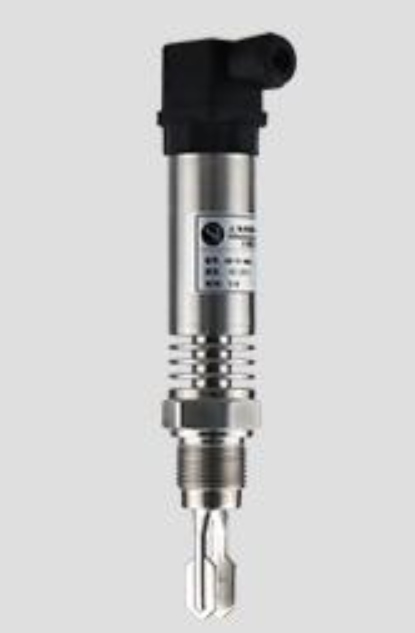
The right vibrating fork level switch delivers stable detection because it matches the medium, process conditions, fork design, and control logic. Reliable performance comes from real application fit, not only from a basic product specification.