
Rotary paddle level switches remain one of the most practical solutions for point level detection in powders, pellets, grains, cement, plastics, and other bulk solids. However, stable performance does not come from choosing the lowest-priced model or simply matching thread size. In real industrial use, the right rotary paddle level switch must fit the actual material behavior, installation position, bin design, dust condition, and service expectations. A good selection can reduce false alarms, prevent overfilling, and improve operating continuity. A poor selection can lead to paddle blockage, motor overload, or repeated shutdowns that create unnecessary maintenance cost.
Material Characteristics Determine The Right Switch Design
The first thing to evaluate is the material itself. Bulk density, particle size, flowability, humidity, and tendency to bridge or stick all affect how a rotary paddle level switch should be selected. Light powders often require a more sensitive paddle design and lower torque setting, while heavier or denser materials need stronger mechanical resistance and more robust drive structure. In dusty environments, sealing performance becomes especially important because fine particles can enter the housing and shorten service life.
Material behavior during discharge also matters. Some materials flow smoothly, while others create arches, cavities, or sidewall build-up. In those situations, the switch should not be chosen only by looking at a product catalog. The installation location and paddle shape must be matched to how the material actually moves in the silo or hopper. Otherwise, the switch may technically work but still give unreliable signals during filling and emptying cycles.
Installation, Paddle Form, And Torque Selection Affect Long-Term Stability
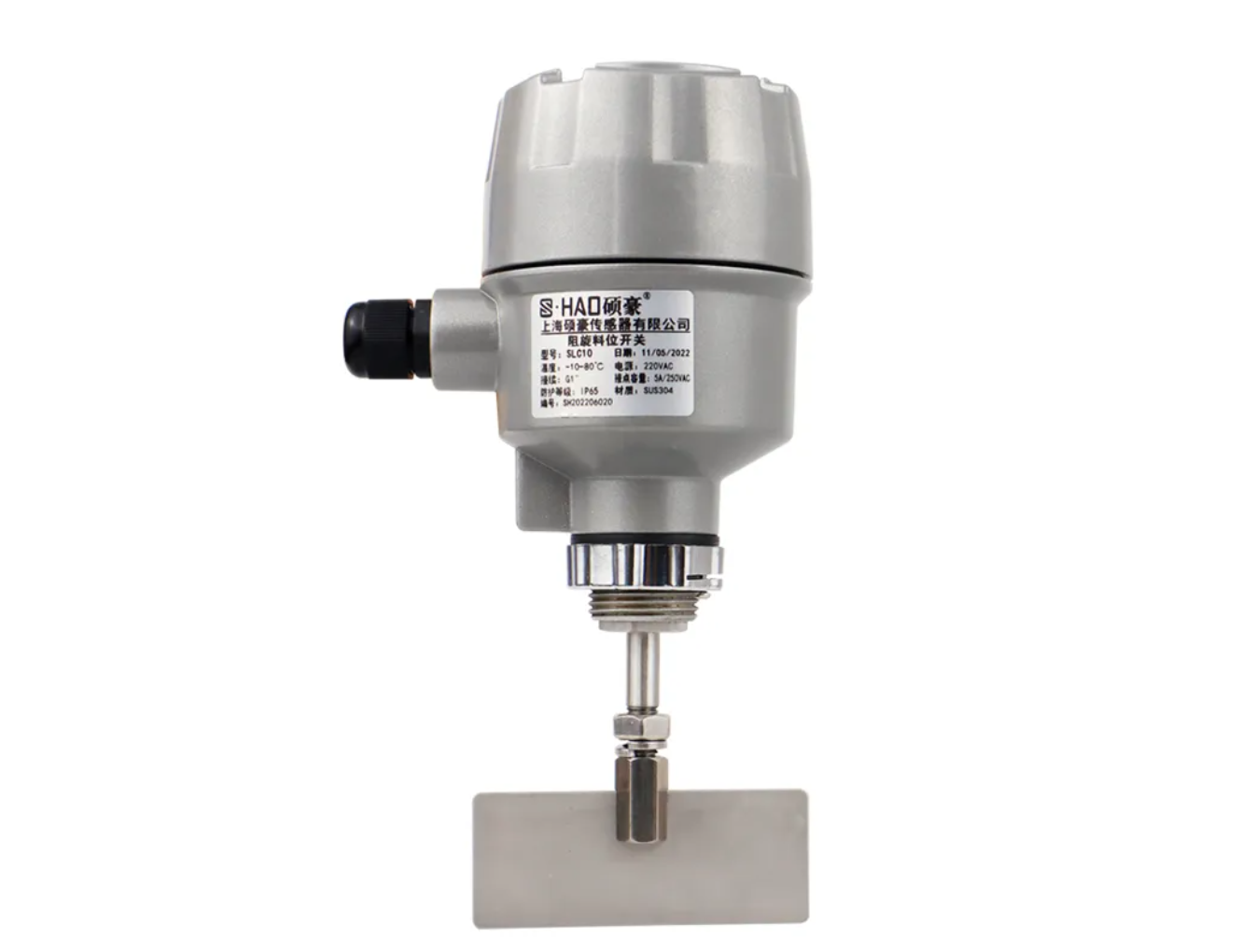
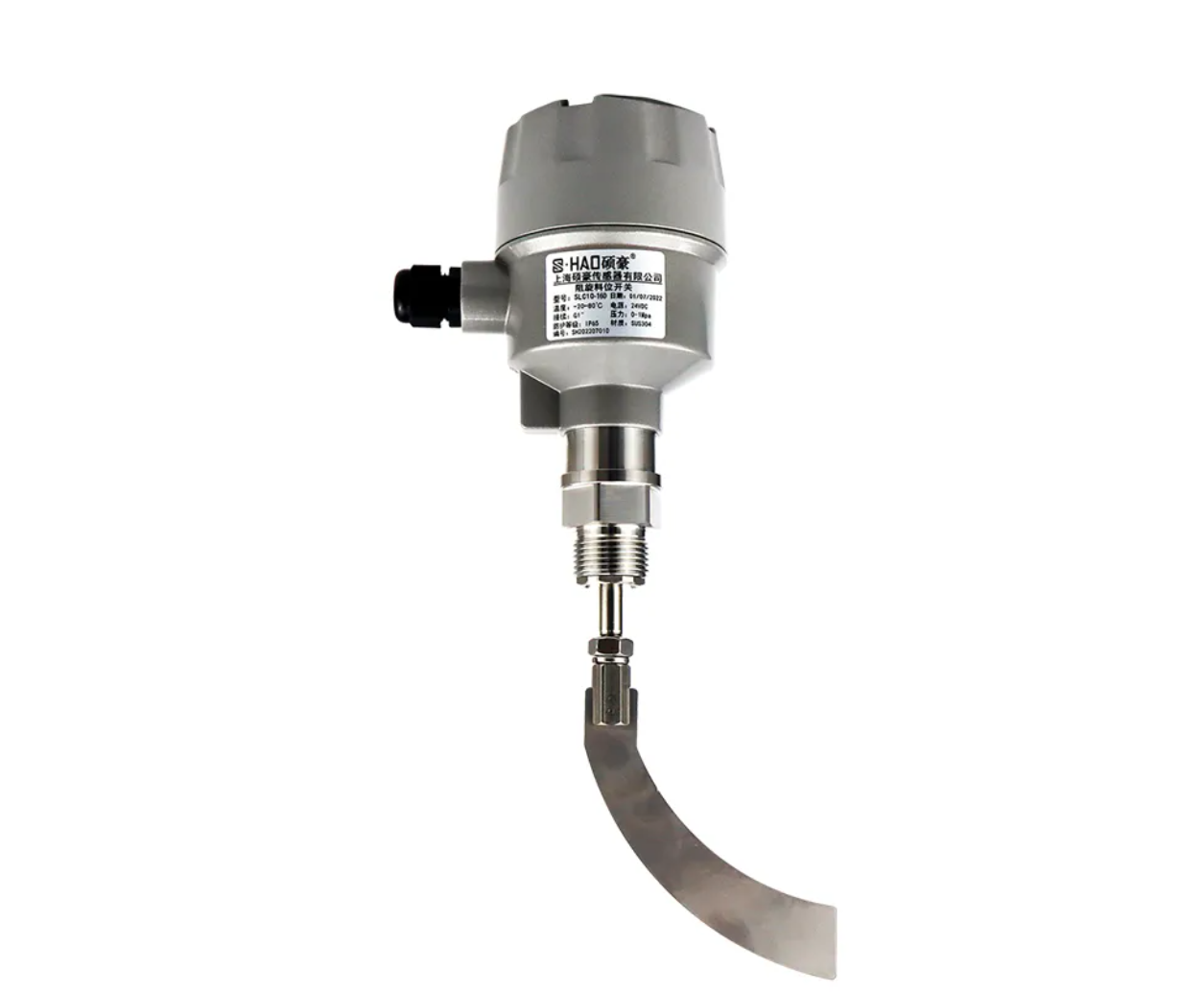
Once the material is understood, the next priority is configuration. Horizontal mounting, top mounting, and angled mounting each place different stress on the shaft and paddle. In larger vessels, shaft extension length must also be considered because long shafts may create vibration or delayed response if not properly designed. Paddle size and shape should match the available space and the material load. A larger paddle may improve sensitivity in some applications, but it may also increase resistance and create unnecessary wear in denser solids.
Torque is another critical factor. A switch with torque that is too low may trigger too early or fail under unstable material conditions. Torque that is too high may damage the drive mechanism or reduce detection precision for lighter media. In industrial practice, the best choice is usually not the strongest model, but the one that balances sensitivity, structural strength, and process stability. The connection type, housing material, protection rating, and temperature range should also be verified against the actual working condition instead of assumed from general product descriptions.
Reliability Depends On Sealing, Motor Quality, And Process Matching
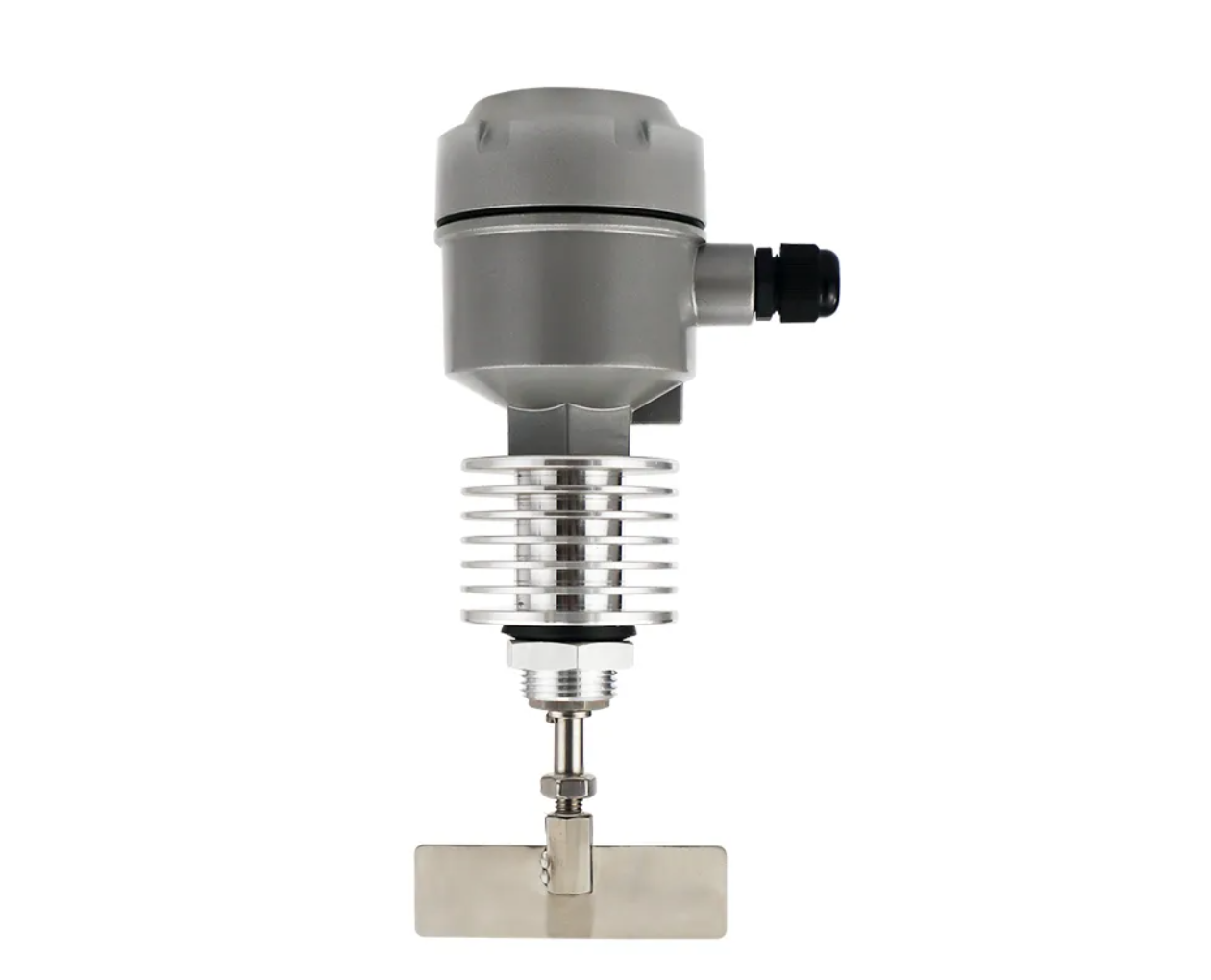
Long-term reliability comes from details that are often ignored during initial selection. Good sealing is essential for dusty or humid environments. Stable motor performance determines whether the switch can keep operating through thousands of cycles without signal drift. Shaft strength, bearing design, and anti-vibration capability all influence service life, especially in larger bins or applications with continuous loading and unloading.
It is also important to think beyond the switch itself. A rotary paddle level switch performs best when it is integrated into the full process correctly. That includes proper mounting position, enough insertion depth, suitable cable routing, and logic settings in the control system. When all of these points are aligned, rotary paddle switches remain a cost-effective and dependable solution for bulk solids level control. The best results usually come from choosing a switch based on real application conditions, not just nominal specifications.
A reliable rotary paddle level switch is chosen by understanding bulk material behavior, matching the correct torque and paddle design, and ensuring sealing and mechanical durability for the real operating environment. The right selection improves process continuity and reduces maintenance risk.