
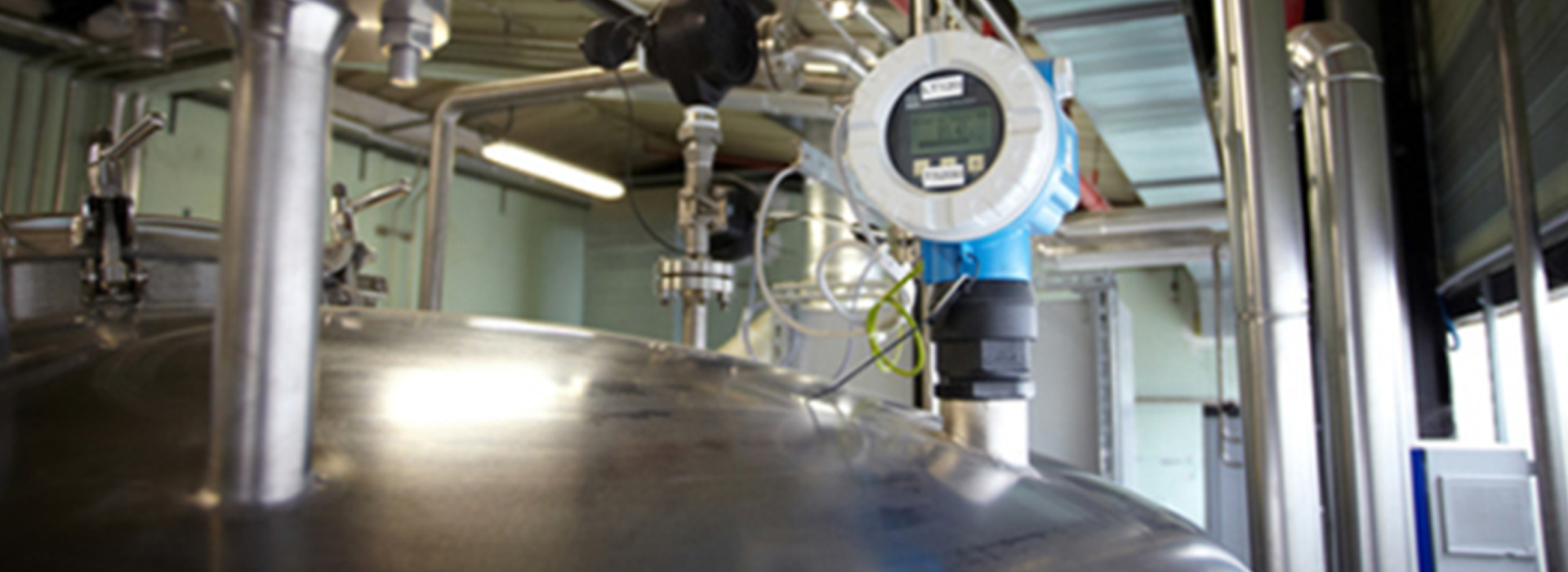
Level Measurement Solutions For Water And Wastewater Treatment
Reliable level measurement is critical for water tanks, wastewater pools, sewage stations, open channels, wells, reservoirs, dosing tanks and industrial water treatment processes. SHAO provides level measurement solutions for continuous monitoring, overflow prevention, pump protection and process control in demanding water and wastewater environments.
Why Level Measurement Matters In Water Treatment
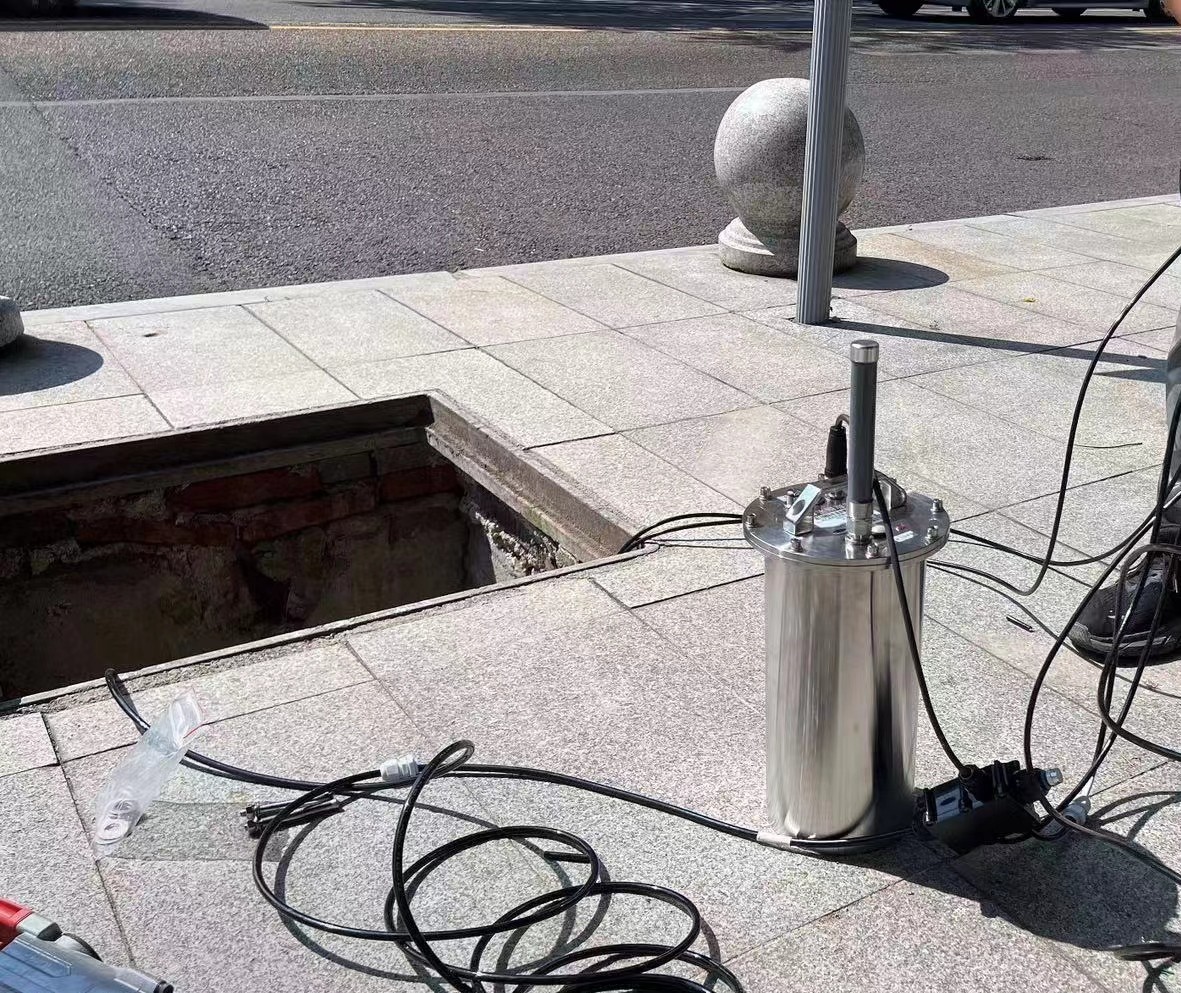
In water and wastewater treatment plants, level measurement directly affects pump start-stop control, overflow prevention, chemical dosing, sludge handling, storage safety and system automation. A wrong level signal may cause dry running, tank overflow, unstable treatment flow, equipment damage or unnecessary maintenance. For this reason, each application should be evaluated according to medium condition, installation space, measuring range, foam, vapor, contamination, turbulence and output signal requirements.
Typical Applications In Water And Wastewater Systems
SHAO level measurement devices can be used in many water-related process points, from clean water storage to sewage treatment and environmental monitoring.
Water Storage Tanks
Continuous level monitoring for raw water tanks, clean water tanks, process water tanks and elevated storage tanks.
Wastewater Pools
Level control for sewage tanks, equalization basins, sludge tanks, sedimentation tanks and treatment pools.
Open Channels
Non-contact level monitoring for open channels, drainage systems, river intakes, canals and flow structures.
Pump Stations
Automatic pump control, high-level alarm, low-level protection and dry-run prevention for sewage pump stations.
Dosing Tanks
Level monitoring for chemical dosing tanks, flocculant tanks, acid-alkali dosing tanks and treatment additives.
Wells And Reservoirs
Long-term monitoring for wells, reservoirs, water intakes, irrigation systems and environmental water level points.
Key Challenges In Wastewater Level Measurement
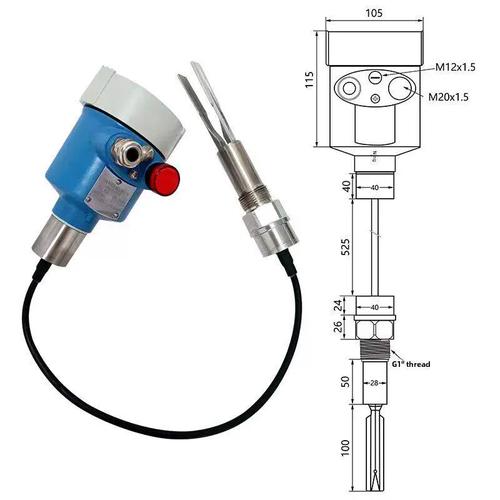
Wastewater applications are often more difficult than clean water measurement. The medium may contain foam, sludge, suspended solids, grease, vapor, odor, chemical residues and floating materials. Sensors may also face corrosion, condensation, unstable water surfaces and limited installation space.
Foam and turbulence may affect signal stability.
Sludge and contamination may increase maintenance needs.
Condensation and humidity may influence non-contact measurement.
Pump start-stop cycles require reliable high and low level signals.
Outdoor installation requires protection against moisture, dust and weather.
Recommended Measurement Solutions
| Application | Medium Condition | Main Challenge | Suggested Solution |
|---|---|---|---|
| Clean Water Tank | Stable liquid surface | Continuous monitoring | Ultrasonic or radar level sensor |
| Wastewater Basin | Foam, sludge, contamination | False echo and dirty environment | Non-contact radar level meter |
| Open Channel | Flowing water | Outdoor monitoring | Ultrasonic level sensor with bracket |
| Pump Station | Sewage and water level fluctuation | Pump control and dry-run protection | Level transmitter + level switch |
| Chemical Dosing Tank | Acid, alkali, flocculant or additives | Corrosion and small tank space | Corrosion-resistant level transmitter |
Open Channel And Water Flow Monitoring
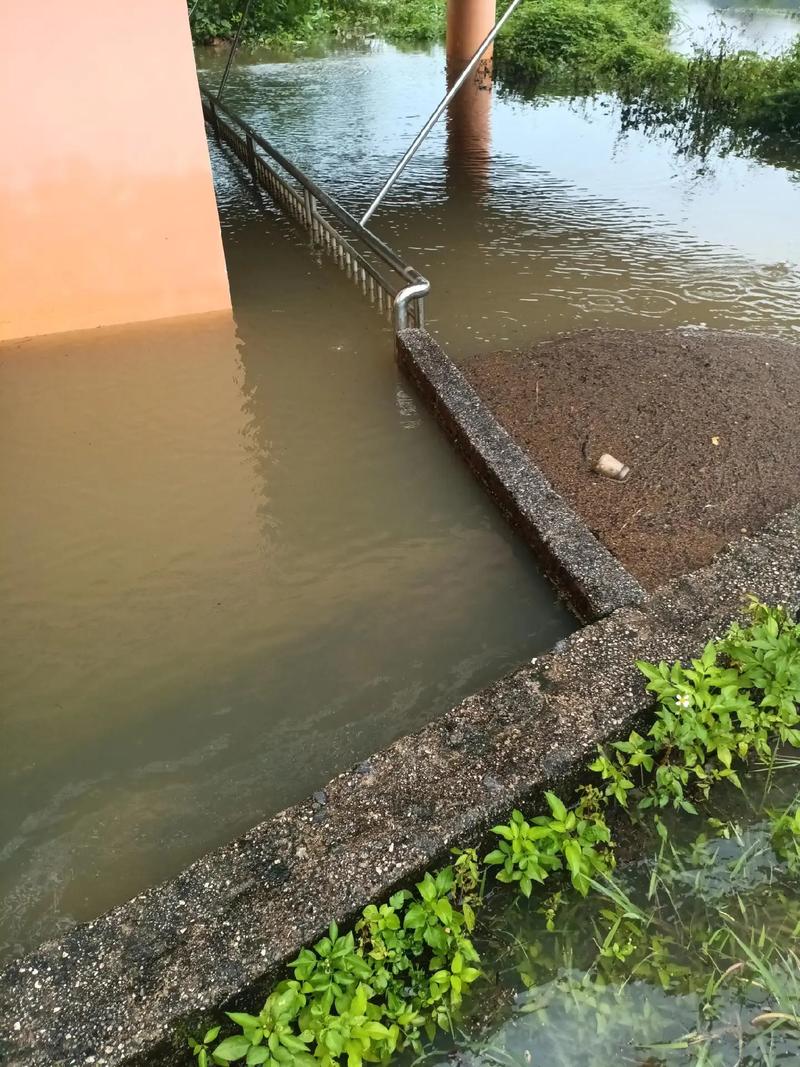
For open channels, drainage channels, reservoirs, wells and intake points, non-contact level measurement is often preferred because the sensor does not touch the water. This helps reduce maintenance and improves reliability in outdoor environments.
SHAO can support applications where the measuring point is exposed to changing water surfaces, humidity, rainfall, sediment, floating materials and long-term field operation. Suitable output signals can be selected according to the control system, such as 4-20mA, relay output or communication interface.
What Information Is Needed Before Selection?
To recommend a suitable level measurement solution, the following basic information should be confirmed before quotation.
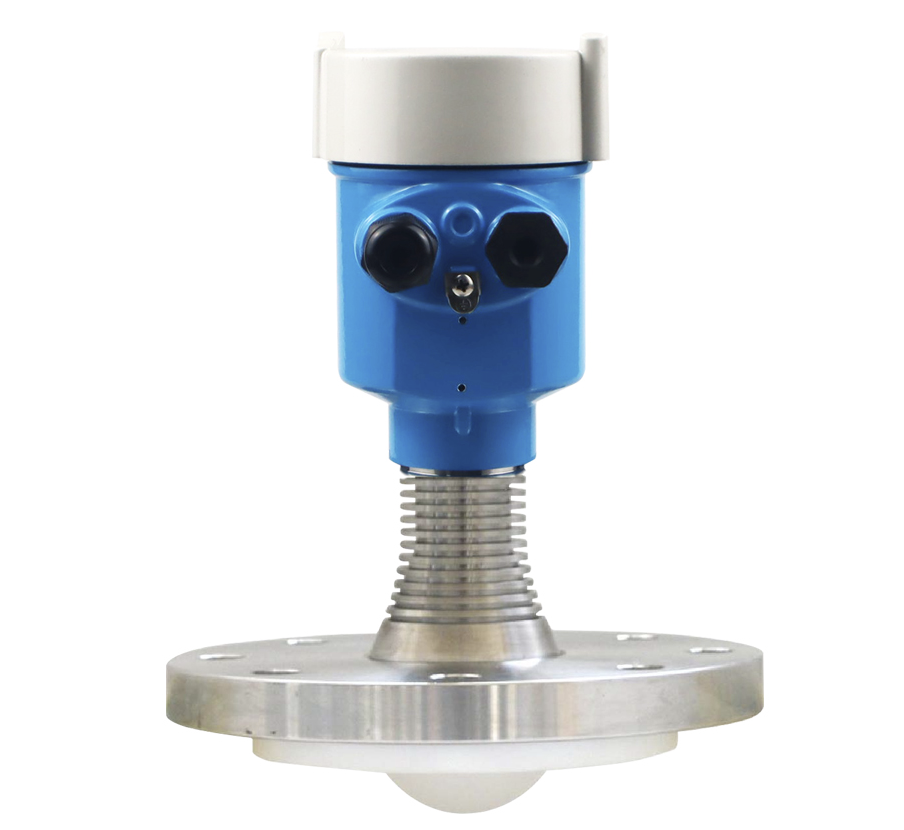
From Single Sensor To System-Level Monitoring
Water and wastewater treatment plants often need more than one measuring point. A complete solution may include storage tank level monitoring, sewage basin level control, dosing tank protection, pump station alarm and open channel water level measurement.
By selecting the right measurement method for each process point, the plant can reduce manual inspection, improve equipment protection, prevent overflow, support automation and maintain stable operation.
Frequently Asked Questions
What is the best level sensor for wastewater tanks?
For wastewater tanks with foam, sludge or dirty surfaces, non-contact radar level measurement is often a reliable option. Ultrasonic sensors can also be used in many clean or moderately challenging water applications.
Can level sensors be used in open channels?
Yes. Non-contact level sensors can be installed above open channels, flumes, wells and reservoirs to monitor water level without touching the liquid.
How does foam affect level measurement?
Foam may weaken or scatter the measuring signal, especially in non-contact measurement. The right sensor type and installation position should be selected according to the foam condition.
Can the same sensor be used for clean water and sewage?
Not always. Clean water tanks, sewage basins and sludge tanks may require different measurement technologies due to differences in foam, solids, contamination, odor and installation environment.
What should I provide before requesting a quotation?
Please provide the medium, tank size, measuring range, installation method, working temperature, pressure, presence of foam or vapor, required output signal and site photos if available.