
Common Installation Mistakes That Lead To Powder Silo Overflow And How To Avoid Them
Powder silo overflow is often caused by incorrect level switch installation, not only by sensor failure. Wrong mounting position, direct material impact, poor wiring, dust buildup and missing alarm logic can all make high-level protection unreliable.
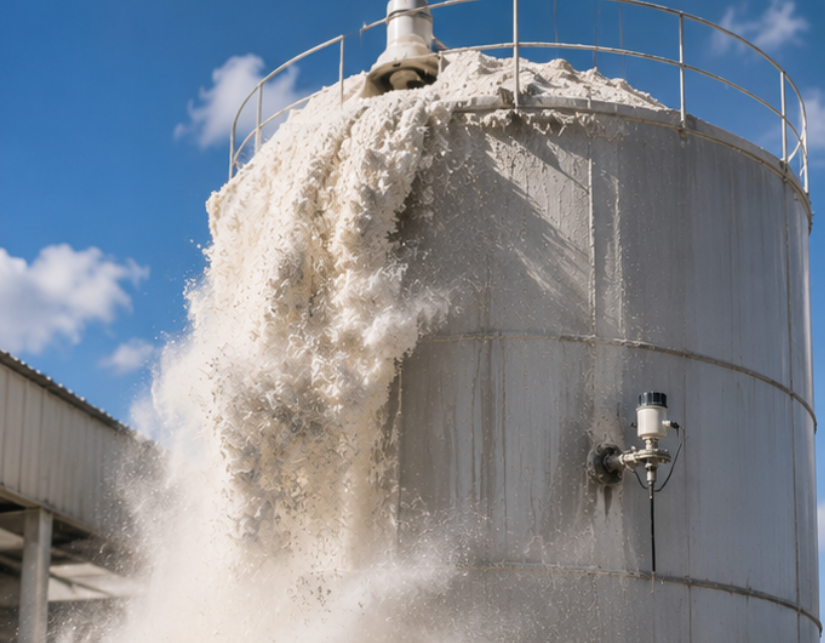
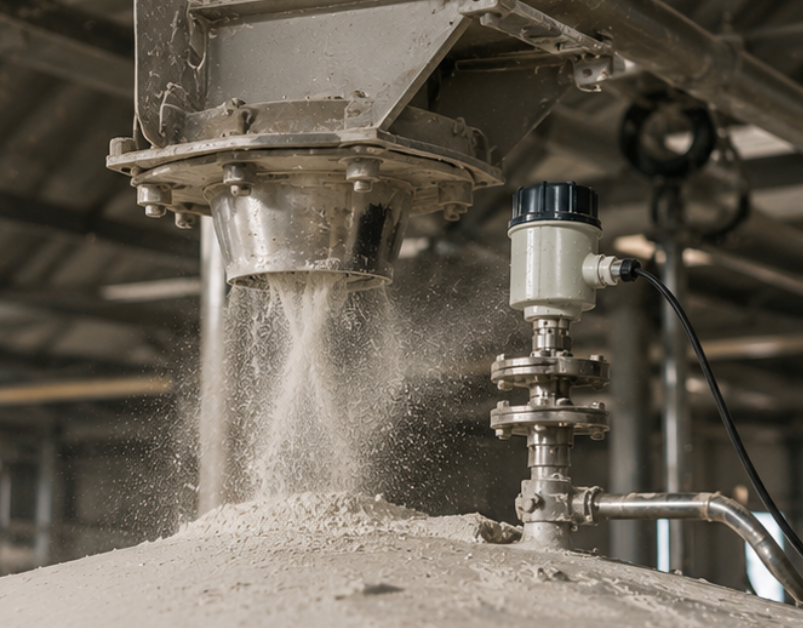
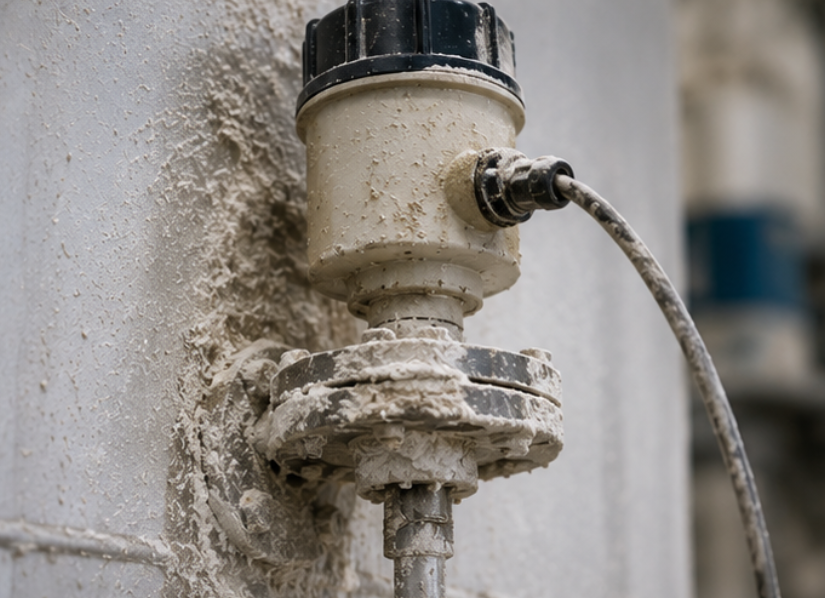
Get QuoteIn cement, flour, chemical powder, fly ash and feed powder silos, overfilling usually happens when the high-level alarm does not respond correctly. Sometimes the level switch is working, but the installation position causes false signals or misses the real maximum material level. A reliable overflow prevention system must include the right level switch, correct mounting position, stable wiring and proper alarm or filling stop logic. This is one of the most common causes of false alarms and overflow risk. When powder enters the silo, the falling material may hit the probe, fork or paddle directly. The switch may trigger too early, or operators may ignore the alarm because it often gives false signals. How to avoid it: install the high-level switch away from the direct filling stream. If the filling direction cannot be changed, use a protective baffle to reduce impact. Some buyers install the high-level alarm very close to the silo top to maximize storage volume. This reduces the reaction time before overflow. During fast filling, especially with pneumatic conveying, the silo may overfill before the operator or control system responds. How to avoid it: set the high-level alarm at a safe distance below the maximum capacity. Leave enough response time for alarm, operator action or automatic filling stop. Fine powder dust can coat the sensor surface. Sticky or humid powder can build up around the probe, fork or paddle. If buildup is not considered, the level switch may give false full signals or fail to reset properly. How to avoid it: choose a suitable sensor type for the material. RF admittance level switches are often better for sticky, humid or coating powders. Regular inspection and cleaning are also important. Different powders need different level switch technologies. A rotary paddle level switch may work well for dry bulk solids, but sticky chemical powder may require RF admittance technology. A vibrating fork switch may be suitable for compact hoppers, but heavy buildup may still affect detection. Some systems only install a level switch but do not connect it properly to the alarm light, buzzer, PLC or filling stop system. When the high-level signal appears, the filling process may continue because no automatic action is triggered. How to avoid it: confirm relay, PNP, NPN or PLC input compatibility before installation. Test the alarm and automatic stop function before production. Install the high-level switch away from the filling pipe. Set the alarm point below the maximum safe level. Choose the sensor type according to powder condition. Check dust, humidity, buildup and material impact risks. Confirm thread, flange and mounting structure before installation. Connect alarm output to PLC, alarm light or filling stop logic. Test the alarm before each production cycle if overflow risk is high. Inspect buildup, cable entry and wiring regularly. To avoid overflow caused by installation mistakes, buyers should provide powder type, silo size, filling method, filling pipe position, maximum safe level, installation photos, power supply, output signal and control logic requirements. If overflow or false alarms already happened, photos of the existing level switch position and silo top structure can help identify the problem quickly. Powder silo overflow is preventable when the high-level alarm is selected and installed correctly. Buyers should focus on the real silo structure, powder behavior, sensor position and alarm control logic instead of choosing only by price. Shao Level provides rotary paddle level switches, vibrating fork level switches, RF admittance level switches and other level measurement solutions for powder silos, hoppers and bulk material handling systems. Send us your powder type, silo layout and high-level alarm requirements. Shao Level can help recommend a suitable level switch solution.Why Powder Silo Overflow Happens
Mistake 1: Installing Too Close To The Filling Pipe
Mistake 2: Setting The Alarm Point Too High
Mistake 3: Ignoring Dust And Buildup
Mistake 4: Choosing The Wrong Level Switch Type
Powder Condition Common Risk Recommended Option Dry free-flowing powder General high-level alarm Rotary paddle or vibrating fork Sticky or humid powder Buildup causes false signals RF admittance level switch Very dusty powder Dust interference and housing contamination Sealed industrial model Hazardous powder Safety and compliance risk Explosion-proof model if required Mistake 5: Alarm Signal Not Connected To Control Logic
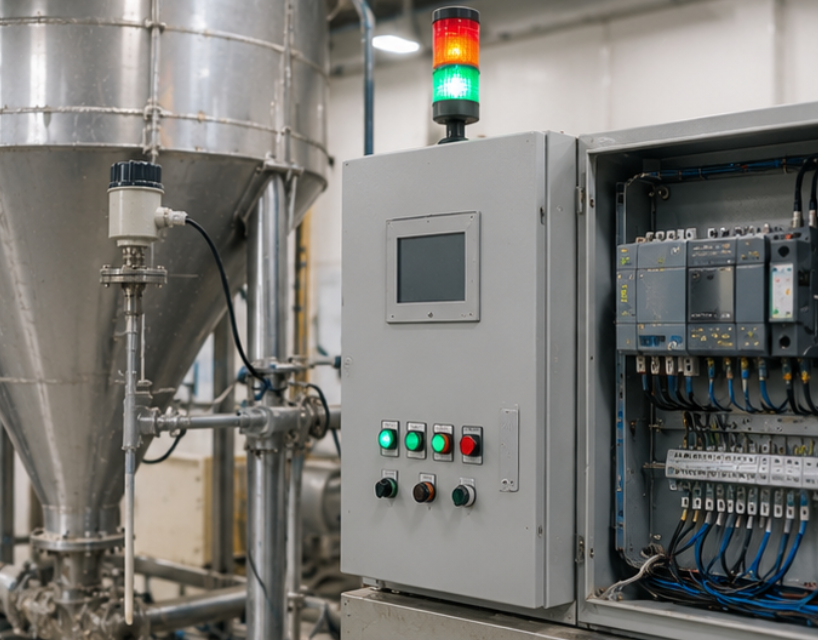
Powder Silo Overflow Prevention Checklist
What Buyers Should Provide Before Ordering
Final Recommendation
Need Help Preventing Powder Silo Overflow?