
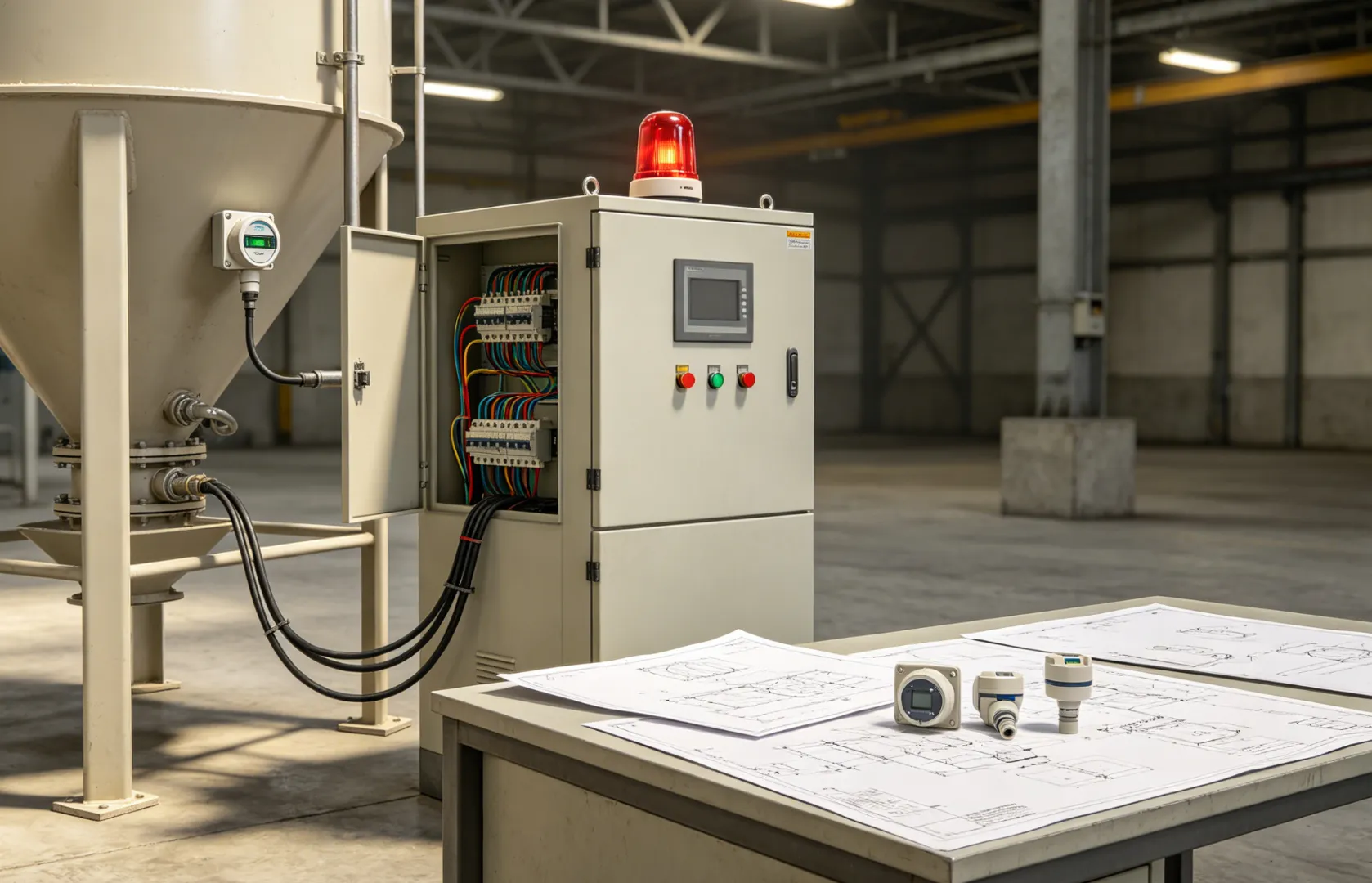
For powder silos, false alarms are often caused by dust, material buildup, wrong installation position, or an unsuitable sensor type. Rotary paddle level switches and RF admittance level switches are both common choices, but they are not designed for exactly the same working conditions.
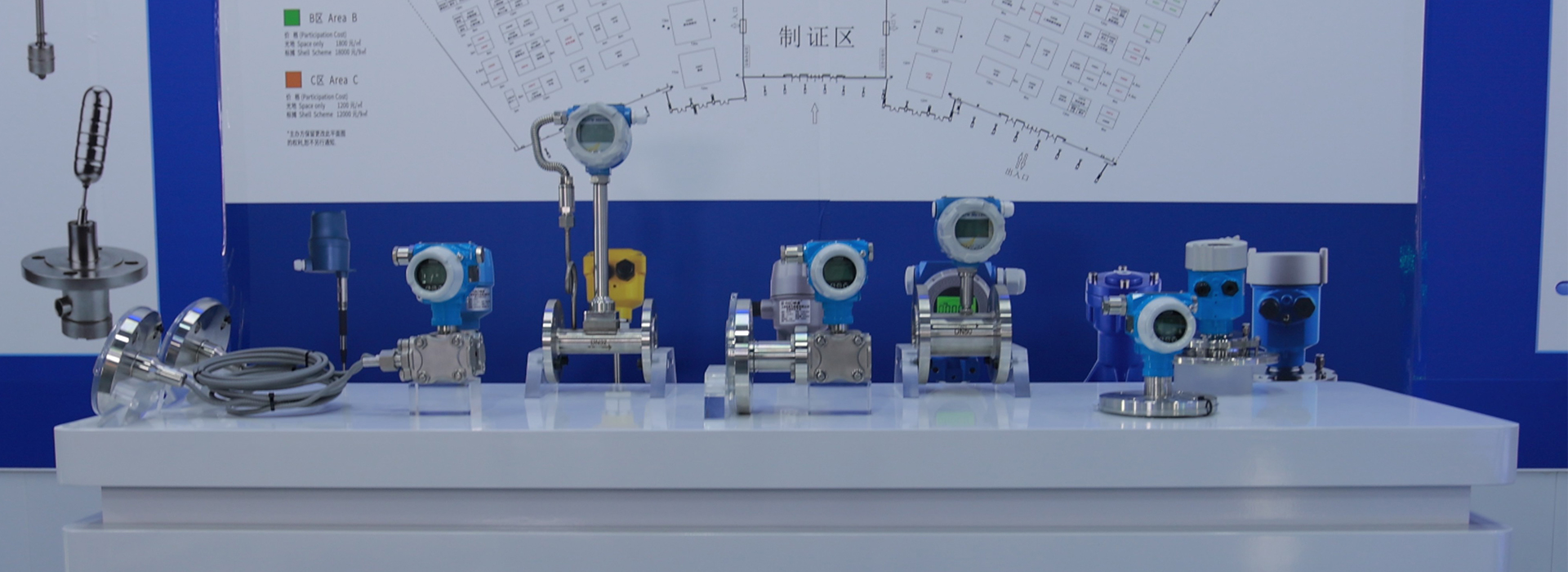
Shanghai Shuohao Sensor Co., Ltd. was founded in Shanghai in 2011 and focuses on industrial level, flow, temperature, pressure, and automation sensing products. For powder and bulk solid applications, Shuohao provides rotary paddle level switches, RF admittance level switches, tuning fork switches, capacitive level switches, and related customized solutions.
When To Use A Rotary Paddle Level Switch
A rotary paddle level switch is usually a practical choice for dry, free-flowing powders and granules. The paddle rotates when there is no material. When powder reaches the paddle, material resistance stops the rotation and the switch sends a signal.
This type is commonly used for:
| Application | Typical Material |
|---|---|
| Cement silo | Cement, lime powder |
| Grain storage | Grain, feed, flour |
| Plastic processing | Pellets, granules |
| General powder bins | Dry powder, bulk solids |
The advantage is simple structure, easy maintenance, and lower cost. For standard high-level or low-level alarm, a rotary paddle switch is often enough.
When To Use An RF Admittance Level Switch
An RF admittance level switch is better when the material is dusty, sticky, humid, or easy to build up on the probe. Instead of relying on paddle movement, it detects material through electrical signal changes around the probe.
This makes it more suitable for difficult applications such as:
| Problem | Why RF Admittance Helps |
|---|---|
| Heavy dust | Reduces unstable mechanical detection |
| Material coating | Better tolerance against buildup |
| Sticky powder | More reliable than simple paddle detection |
| Frequent false alarms | More suitable for harsh silo conditions |
If a factory often has false high-level alarms or production stops because powder sticks to the sensor, RF admittance should be considered.
Simple Selection Rule
Use rotary paddle level switch when the material is dry, loose, and easy to flow.
Use RF admittance level switch when the material is dusty, sticky, humid, or likely to coat the sensor.
For correct model selection, buyers should provide material name, bulk density, temperature, humidity, silo size, installation position, power supply, output signal, and whether the switch connects to a PLC or alarm system.
Final Recommendation
There is no single best level switch for every powder silo. The right choice depends on the real material condition and installation environment. Shuohao can support model selection for rotary paddle, RF admittance, tuning fork, and capacitive level switch applications based on project requirements.