
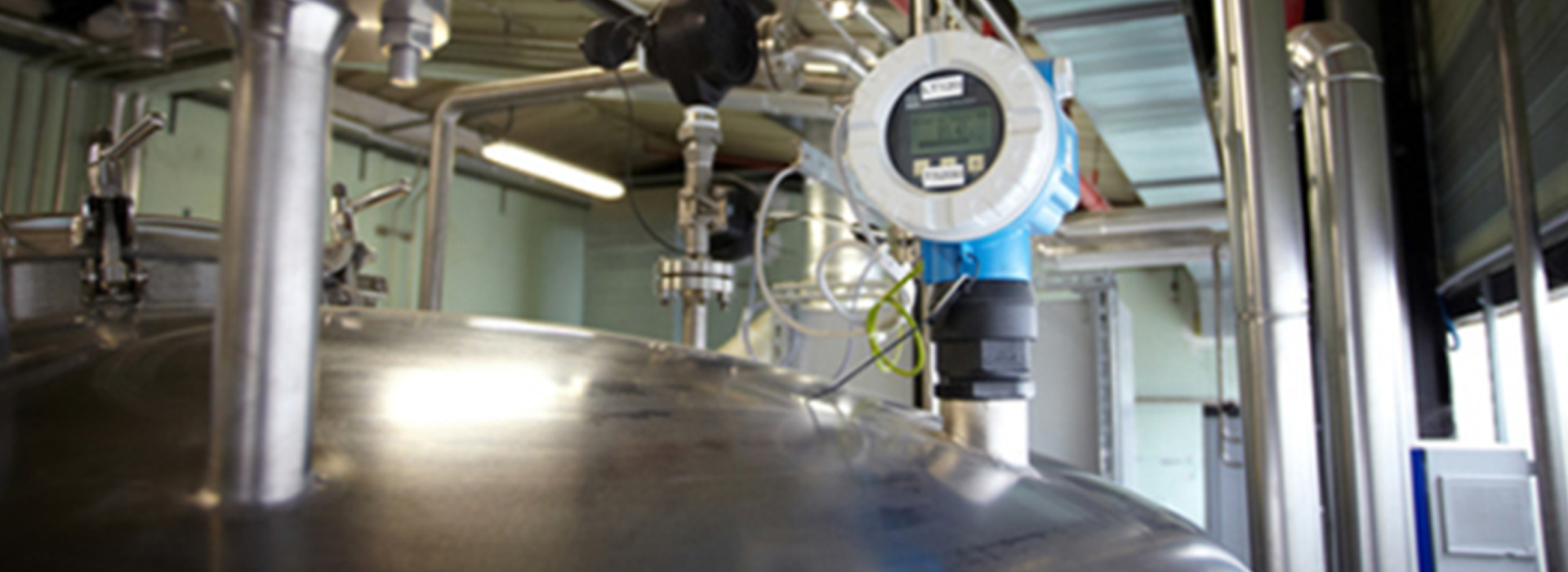
Level Measurement For Transportation Vehicles And Mobile Tanks
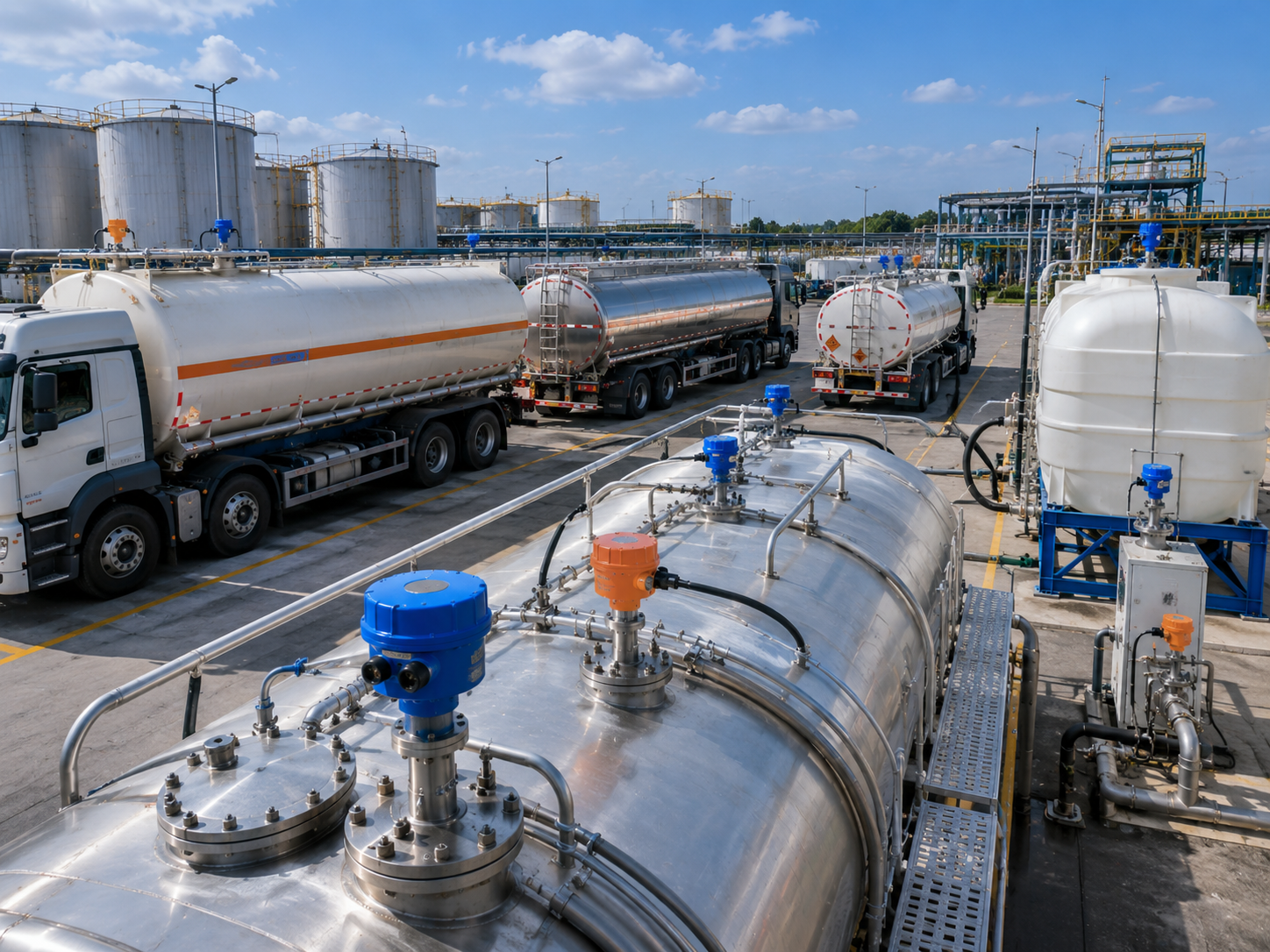
Transportation vehicles and mobile tanks require reliable level measurement for fuel tank trucks, diesel storage vehicles, mobile water tanks, chemical transport tanks, construction vehicle tanks, emergency storage tanks and portable process containers. SHAO provides level measurement solutions for mobile storage, tank inventory, overflow alarm, low-level warning and vehicle-mounted liquid monitoring.
Why Mobile Tank Level Measurement Requires Stable Signals
Mobile tanks and vehicle-mounted storage systems are different from fixed industrial tanks. They may experience vibration, movement, acceleration, liquid sloshing, outdoor weather, limited installation space and changing filling conditions. A suitable level measurement solution helps operators monitor tank inventory, prevent overflow, protect pumps, avoid dry running and improve transportation safety.
Typical Media And Vehicle Tank Conditions
SHAO level measurement solutions can support tank trucks, mobile refueling systems, construction vehicles, emergency storage units, chemical transport tanks and vehicle-mounted liquid containers.
Diesel And Fuel Tanks
Level measurement for diesel tank trucks, mobile refueling tanks, fuel storage vehicles and generator supply tanks.
Chemical Transport Tanks
Monitoring for liquid chemicals, acids, alkalis, additives and mobile process media storage.
Mobile Water Tanks
Level control for water tank trucks, temporary water storage, irrigation vehicles and service water tanks.
Construction Vehicle Tanks
Measurement for construction vehicle water tanks, equipment reservoirs, coolant tanks and utility vehicle tanks.
Portable Process Containers
Level monitoring for skid-mounted tanks, portable chemical containers and temporary process storage vessels.
Emergency Storage Tanks
Level alarm and monitoring for emergency fuel, water, chemical and waste liquid storage units.
Main Challenges In Mobile Tank Level Measurement
Vehicle-mounted tanks often require level sensors to work under motion, vibration and changing liquid surface conditions.
Vehicle movement may cause liquid sloshing and unstable surface signals.
Vibration may affect sensor stability and long-term reliability.
Tank space may be limited, requiring compact installation.
Fuel and chemicals may require compatibility and safety consideration.
Outdoor operation may involve moisture, dust and temperature changes.
Operators often need simple alarm output or continuous level monitoring.
Selection Focus For Vehicle And Mobile Tank Applications
Recommended Solutions By Application
| Application | Medium Type | Main Challenge | Suggested Solution |
|---|---|---|---|
| Fuel Tank Truck | Diesel, fuel oil, light fuel | Sloshing, inventory control, overfill alarm | Radar level meter or pressure level transmitter |
| Water Tank Vehicle | Clean water, service water | Movement, pump control and low-level alarm | Pressure level transmitter or level switch |
| Chemical Transport Tank | Acid, alkali, additive, liquid chemical | Corrosion and safety requirement | Non-contact radar or corrosion-resistant transmitter |
| Construction Vehicle Tank | Water, coolant, equipment liquid | Vibration and limited installation space | Compact level sensor or level switch |
| Portable Storage Tank | Fuel, water, chemical liquid, waste liquid | Temporary use and flexible installation | Radar, pressure transmitter or level switch |
| Mobile Pump Tank | Water, fuel, chemical or process liquid | Pump dry-run and overflow protection | Level switch plus alarm output |
Suitable Level Measurement Technologies
Radar Level Meter
Suitable for non-contact level measurement in mobile tanks, fuel tanks and chemical transport tanks.
Pressure Level Transmitter
Used for water tanks, fuel tanks and vehicle-mounted liquid storage applications.
Level Switch
Suitable for high-level alarm, low-level alarm, pump protection and simple vehicle tank control.
Monitoring System
Supports mobile inventory, overfill alarm, low-level warning, pump control and vehicle-mounted display systems.
What Information Is Needed Before Selection?
Vehicle and mobile tank applications require proper sensor selection based on movement, vibration, tank structure and medium type.
Application Areas In Vehicle And Mobile Storage
Fuel Transportation
Level monitoring for diesel tank trucks, mobile fuel tanks, refueling vehicles and fuel supply systems.
Chemical Transport
Measurement for chemical tank vehicles, acid and alkali transport tanks and mobile reagent systems.
Water Tank Vehicles
Level control for water trucks, service water tanks, temporary storage and emergency water supply.
Construction Vehicles
Level measurement for equipment reservoirs, coolant tanks, water tanks and utility storage systems.
Portable Process Tanks
Monitoring for skid-mounted tanks, portable containers, temporary dosing tanks and process units.
Alarm And Safety Control
Supports overfill prevention, low-level warning, pump dry-run protection and mobile tank inventory.
Frequently Asked Questions
What level sensor is suitable for fuel tank trucks?
Radar level meters or pressure level transmitters can be selected depending on tank size, fuel type, vehicle vibration, mounting position and signal requirements.
How does vehicle movement affect level measurement?
Movement may cause liquid sloshing and unstable surface conditions. Sensor selection, installation position and signal processing should consider the dynamic tank environment.
Can level sensors be used for chemical transport tanks?
Yes. Chemical transport tanks may use non-contact radar or corrosion-resistant level transmitters depending on chemical type, concentration and safety requirements.
Why is low-level alarm important for mobile tanks?
Low-level alarm helps prevent pump dry running, supply interruption and unexpected empty tank conditions during transportation or mobile operation.
What information should I provide before requesting a quotation?
Please provide medium type, tank size, vehicle type, installation position, temperature, pressure, vibration condition, output signal and whether continuous measurement or alarm control is needed.