
Best Level Switch For Dusty Powder Silos: Rotary Paddle, Fork Or RF Admittance?
Dusty powder silos are difficult for level detection because dust clouds, material buildup and wrong installation positions can easily cause false alarms. Rotary paddle, vibrating fork and RF admittance level switches can all be used, but the best choice depends on powder density, dust level, buildup risk and control requirements.
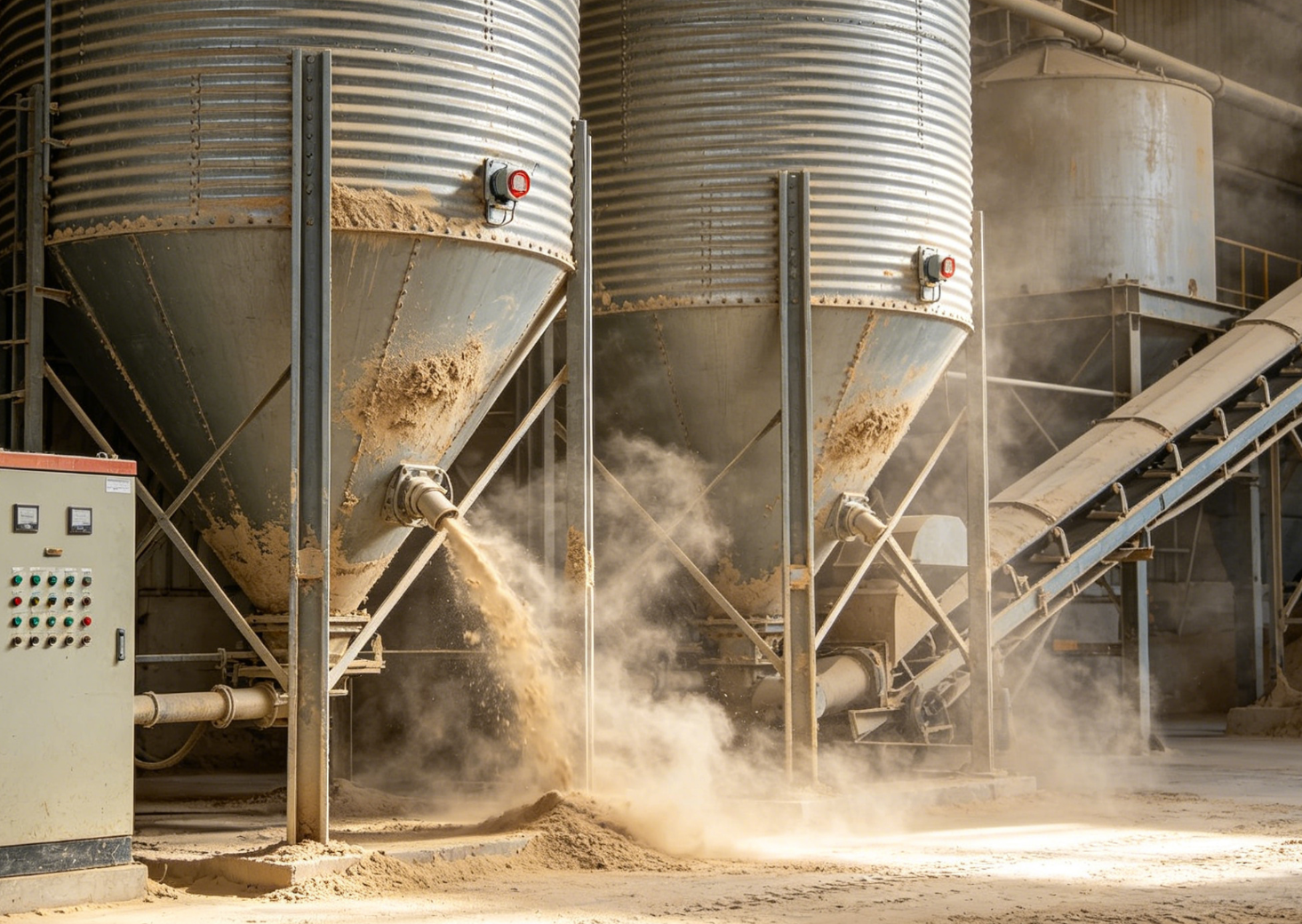
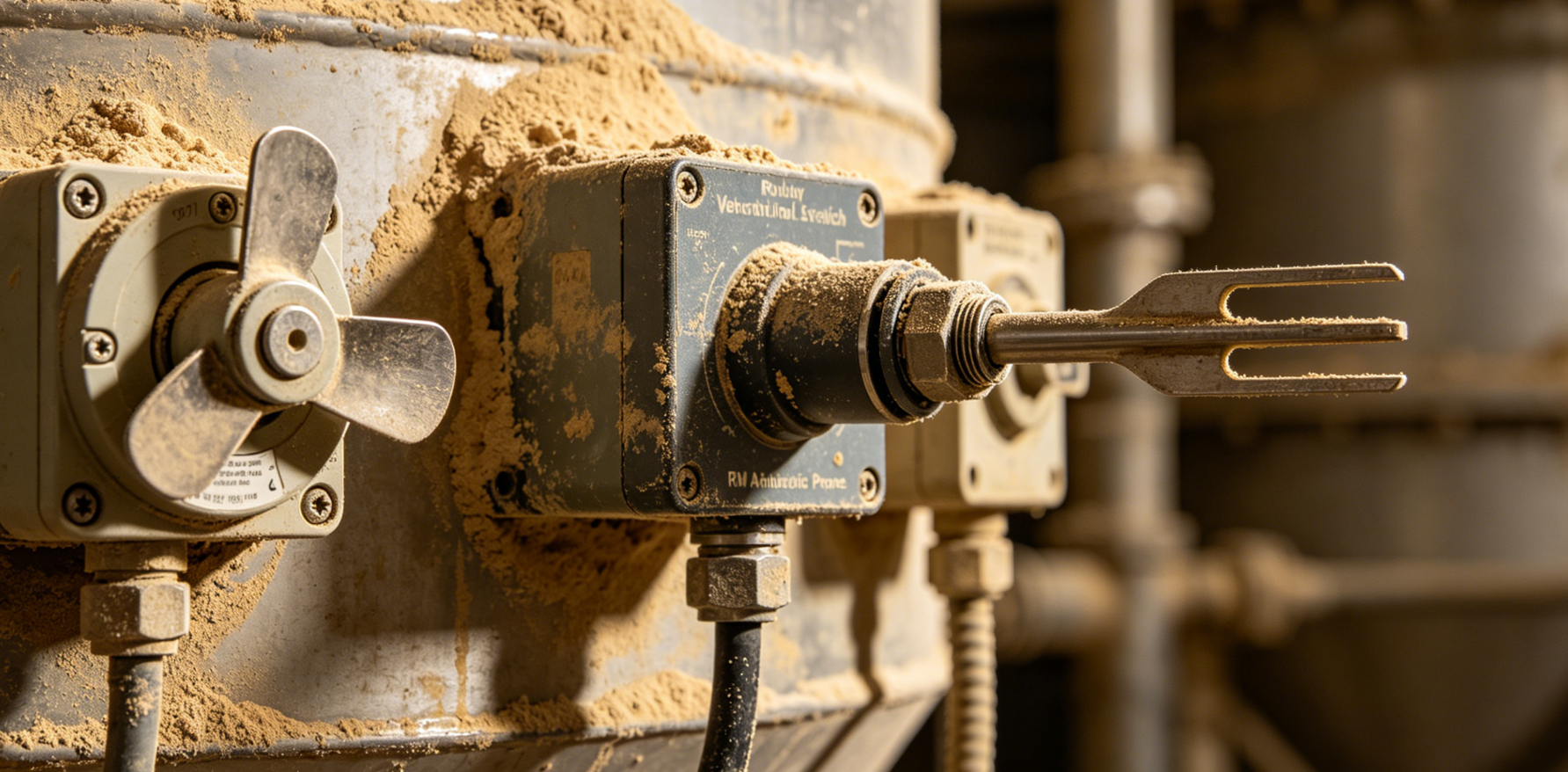
Get QuoteIn cement, flour, fly ash, lime powder, feed powder and chemical powder silos, heavy dust appears during filling and discharge. The dust may cover the sensor, enter weak sealing structures or create unstable signals. In many cases, false alarms are not caused by one single factor. Dust, buildup, vibration, material impact and poor installation position often appear together. That is why the level switch must be selected based on the real working condition, not only by price. A rotary paddle level switch is widely used in dry powder and bulk solid silos. When material reaches the paddle, the paddle stops rotating and the switch sends a signal to the control system. For many standard dusty powder silos, rotary paddle switches are practical and cost-effective. They are commonly used for cement silos, grain silos, feed bins, plastic granule hoppers and general bulk solid storage. Best for: dry, free-flowing powders and bulk solids where cost control and simple high/low level alarm are important. Not ideal for: very sticky, coating or heavily buildup-prone materials. A vibrating fork level switch detects material by sensing changes in fork vibration. When powder covers the fork, the vibration changes and the switch outputs a signal. Compared with rotary paddle switches, vibrating fork switches have no rotating paddle in contact with the material. This makes them suitable for compact hoppers, powder bins and applications where lower mechanical wear is preferred. Best for: compact powder hoppers, smaller silos, granules and general powder applications where no rotating parts are preferred. Not ideal for: serious coating or sticky buildup where material stays on the fork for a long time. RF admittance level switches are often selected for difficult powder applications because they can reduce the influence of material coating on the probe. This makes them more suitable for sticky, humid, dusty or buildup-prone materials. If a powder silo often gives false alarms because dust or buildup covers the probe, RF admittance technology may provide better long-term stability than basic capacitance or mechanical switches. Best for: dusty, sticky, humid or coating powders such as fly ash, chemical powder, humid flour and buildup-prone cement powder. Not ideal for: very simple low-cost projects where a rotary paddle switch is already reliable enough. If the powder is dry, free-flowing and the project budget is limited, rotary paddle level switches are often a practical choice. If the hopper is compact or the buyer wants no rotating parts, vibrating fork switches may be more suitable. If the silo has serious dust, humidity, buildup or false alarm history, RF admittance level switches should be considered first. The right choice should be based on powder condition, not only on unit price. Confirm powder name, bulk density and particle size. Check whether the powder is dry, sticky, humid or coating. Confirm dust level during silo filling and discharge. Check whether false alarms already happen on site. Use rotary paddle for economical dry bulk solid detection. Use vibrating fork for compact bins and no rotating parts. Use RF admittance for dusty, sticky or buildup-prone powder. Confirm installation position, voltage and output signal before ordering. To recommend the best level switch for a dusty powder silo, buyers should provide powder name, bulk density, dust level, moisture condition, buildup history, silo size, installation position, high-level or low-level purpose, power supply and output signal. Photos of the silo, material inlet, discharge outlet and existing level switch installation can help the supplier judge whether rotary paddle, vibrating fork or RF admittance is the better choice. There is no single best level switch for every dusty powder silo. Rotary paddle switches are economical for general dry powder. Vibrating fork switches are suitable for compact applications. RF admittance switches are better when dust, coating and buildup cause repeated false alarms. Shao Level provides rotary paddle level switches, vibrating fork level switches, RF admittance level switches and other industrial level measurement products for powder silos, hoppers and bulk material handling systems. Send us your powder type, dust condition and silo installation details. Shao Level can help recommend a suitable level switch solution.Why Dusty Powder Silos Are Hard To Measure
1. Rotary Paddle Level Switch: Economical For General Powder Silos
2. Vibrating Fork Level Switch: Compact And No Rotating Paddle
3. RF Admittance Level Switch: Better For Dust And Buildup Problems
Rotary Paddle vs Vibrating Fork vs RF Admittance
Comparison Item Rotary Paddle Vibrating Fork RF Admittance Best Application Dry powder and bulk solids Compact hoppers and powder bins Dusty, sticky and buildup-prone powder Main Advantage Economical and simple No rotating paddle Better anti-buildup performance Common Risk Paddle blockage or wear Coating on fork may affect signal Higher cost than basic switches Recommended For Heavy Dust Suitable if powder is dry and free-flowing Suitable for many compact systems Best when dust and buildup cause false alarms How To Choose The Best Option
Quick Selection Checklist
What Buyers Should Provide Before Quotation
Final Recommendation
Need Help Choosing A Level Switch For Dusty Powder Silos?