
How To Choose A Level Switch For Cement Silo High Level Alarm
A cement silo high level alarm helps prevent overfilling, material overflow, dust leakage and equipment damage during cement storage and pneumatic filling. To choose the right level switch, buyers should confirm cement powder conditions, silo structure, installation position, sensor type and control system requirements.
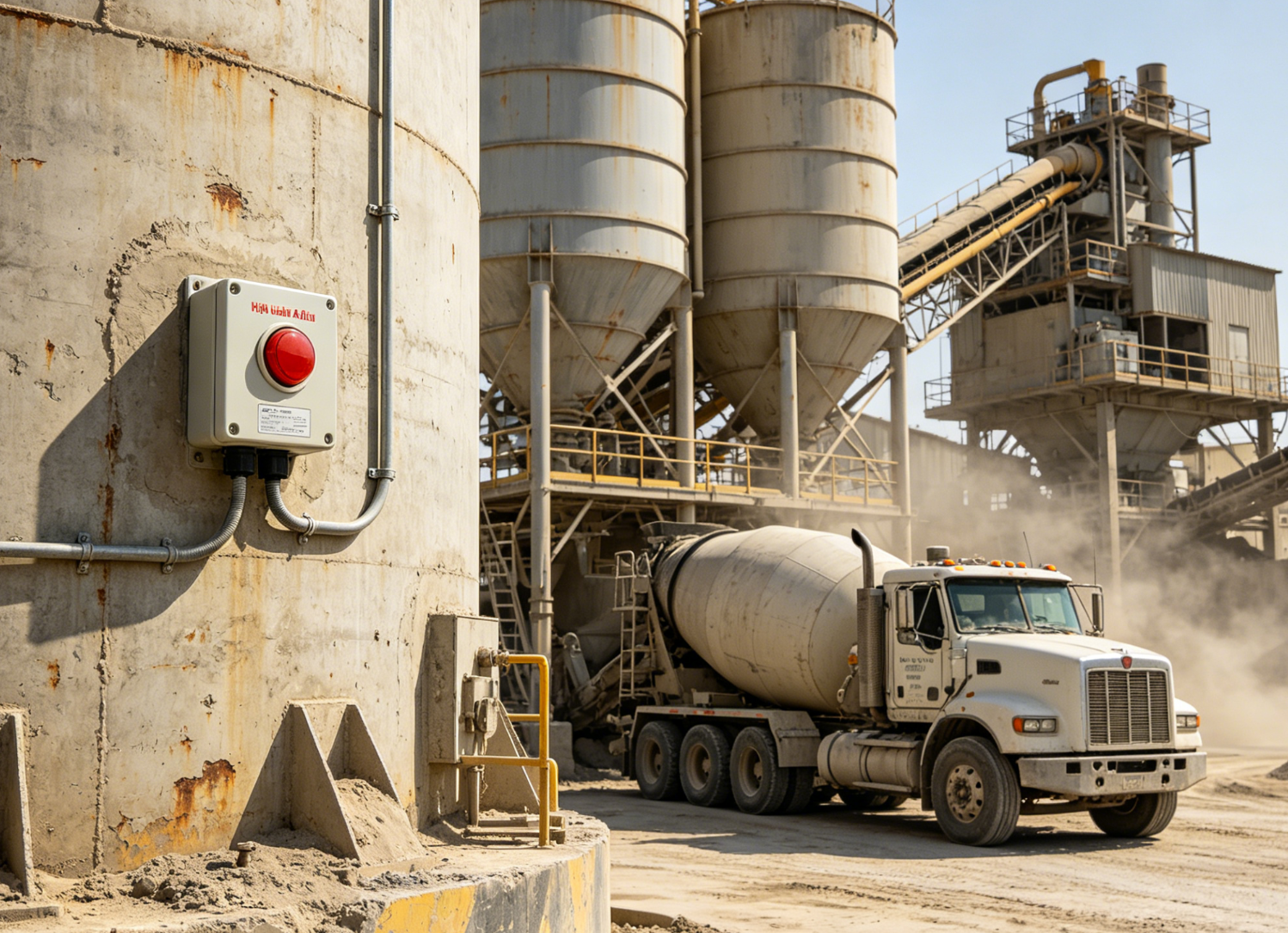
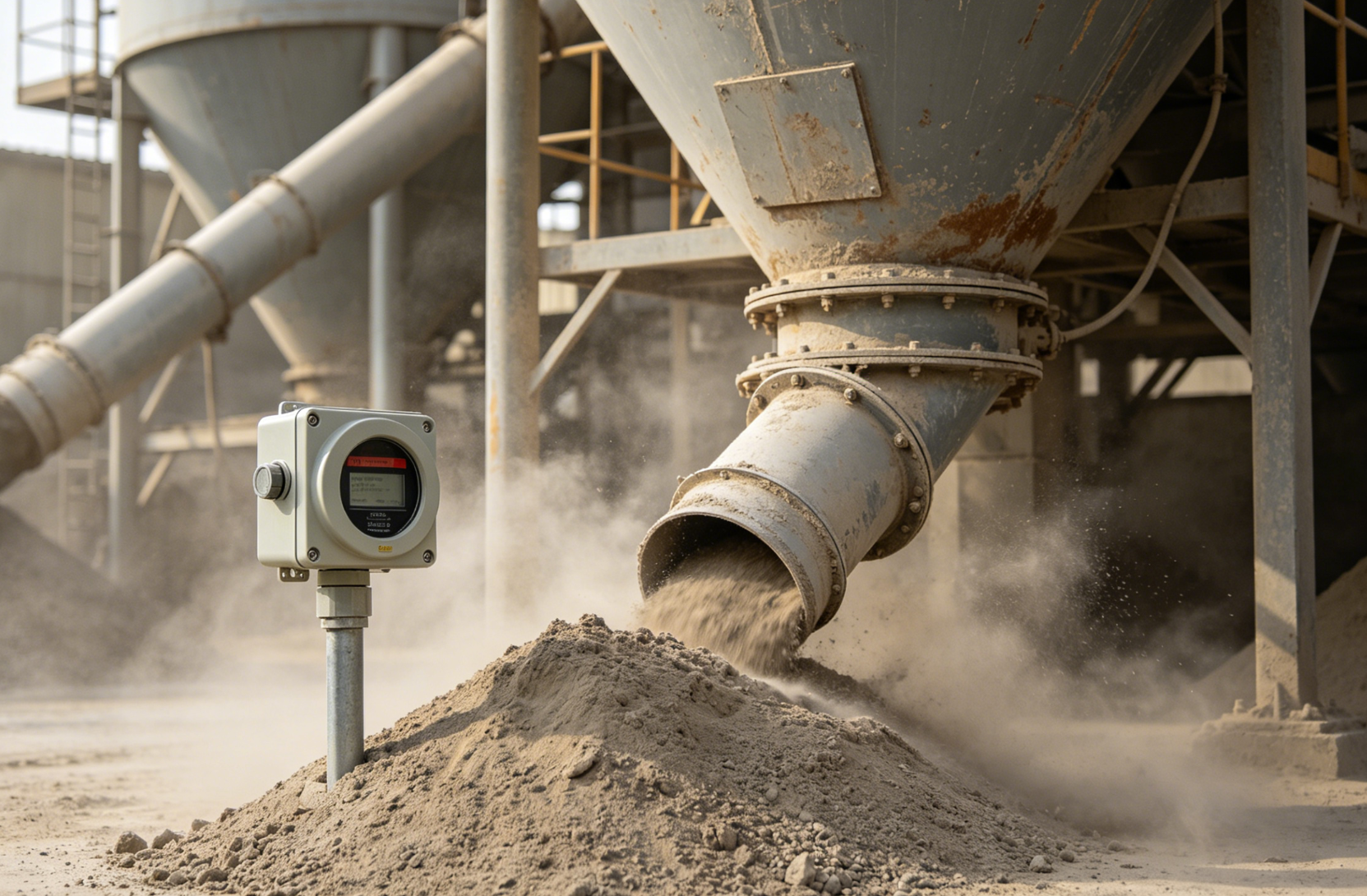
Get QuoteCement silos are often filled by pneumatic conveying from bulk cement trucks. During filling, cement powder moves quickly and creates strong dust clouds inside the silo. If the silo is overfilled, cement may overflow from the top, block filters, damage equipment or create serious dust pollution around the site. A high level alarm gives operators a warning before the cement reaches the maximum safe level. It can be connected to an alarm light, control cabinet, PLC or automatic shutdown system to prevent overfilling. Cement powder is fine, dusty and abrasive. These characteristics directly affect level switch selection. A level switch used for cement silo high level alarm must work reliably in heavy dust and resist material buildup. High dust: dust clouds may cause unstable signals if the sensor is not suitable. Abrasive powder: contact parts should be durable enough for long-term use. Moisture risk: humid cement may create buildup around the probe, fork or paddle. Material impact: falling cement during filling may damage the sensor if installed incorrectly. Outdoor environment: many cement silos need weather-resistant housing and cable entry. Several level switch types can be used for cement silo high level alarm. The best choice depends on dust level, buildup risk, budget and reliability requirement. For high level alarm, the level switch should be installed near the upper safe limit of the cement silo. However, it should not be placed directly under the filling pipe. Falling cement powder can hit the switch and trigger false alarms before the silo is actually full. The best installation position should be away from direct material impact, but still close enough to the maximum safe level to provide timely overflow protection. Installation advice: avoid the filling stream, avoid wall buildup zones, allow maintenance access, and consider a protective baffle if impact cannot be avoided. The level switch should match the control system. Buyers need to confirm power supply, output signal and alarm logic before ordering. A high level alarm may be connected to an alarm light, buzzer, PLC, control cabinet or automatic filling stop signal. Power supply: AC or DC Output signal: relay, PNP, NPN or other required signal Alarm device: light, buzzer or control cabinet Signal delay: useful for reducing temporary false alarms Cable entry and wiring protection Explosion-proof requirement for hazardous dust areas Confirm cement silo height, diameter and maximum safe level. Check dust level, humidity and material buildup risk. Choose suitable rotary paddle, vibrating fork or RF admittance type. Avoid installing directly under the filling pipe. Confirm thread, flange or custom process connection. Check power supply, output signal and alarm device. Use signal delay if temporary false alarms occur during filling. Consider explosion-proof models for hazardous dust areas. To recommend the right level switch for cement silo high level alarm, buyers should provide silo height, silo diameter, installation position, filling method, cement powder condition, working temperature, process connection, power supply, output signal and alarm control requirement. If the existing high level alarm gives false signals, photos of the sensor position, filling pipe, silo top and control cabinet can help identify the problem quickly. A reliable cement silo high level alarm should detect the real maximum material level, not dust clouds or direct filling impact. Correct sensor type, installation position and alarm logic are all important. Shao Level provides rotary paddle level switches, vibrating fork level switches, RF admittance level switches and other level measurement products for cement silos, powder storage systems and industrial automation projects. Send us your cement silo size, filling method and control requirements. Shao Level can help recommend a suitable level switch solution for high level alarm.Why Cement Silos Need High Level Alarms
1. Confirm Cement Powder Conditions
2. Choose The Right Level Switch Type
Level Switch Type Suitable Use In Cement Silo Selection Note Rotary Paddle Level Switch Common high level alarm for cement powder Economical and widely used, avoid direct material impact Vibrating Fork Level Switch Compact cement silo or hopper detection No rotating paddle, suitable for many powder applications RF Admittance Level Switch Dusty or buildup-prone cement applications Better resistance to coating and false signals Capacitance Level Switch General powder level detection Check buildup and dielectric conditions before use 3. Install The Switch At The Correct High Level Point
4. Check Signal Output And Alarm Logic
Cement Silo High Level Alarm Selection Checklist
What Buyers Should Provide Before Quotation
Final Recommendation
Need A High Level Alarm For Cement Silos?