
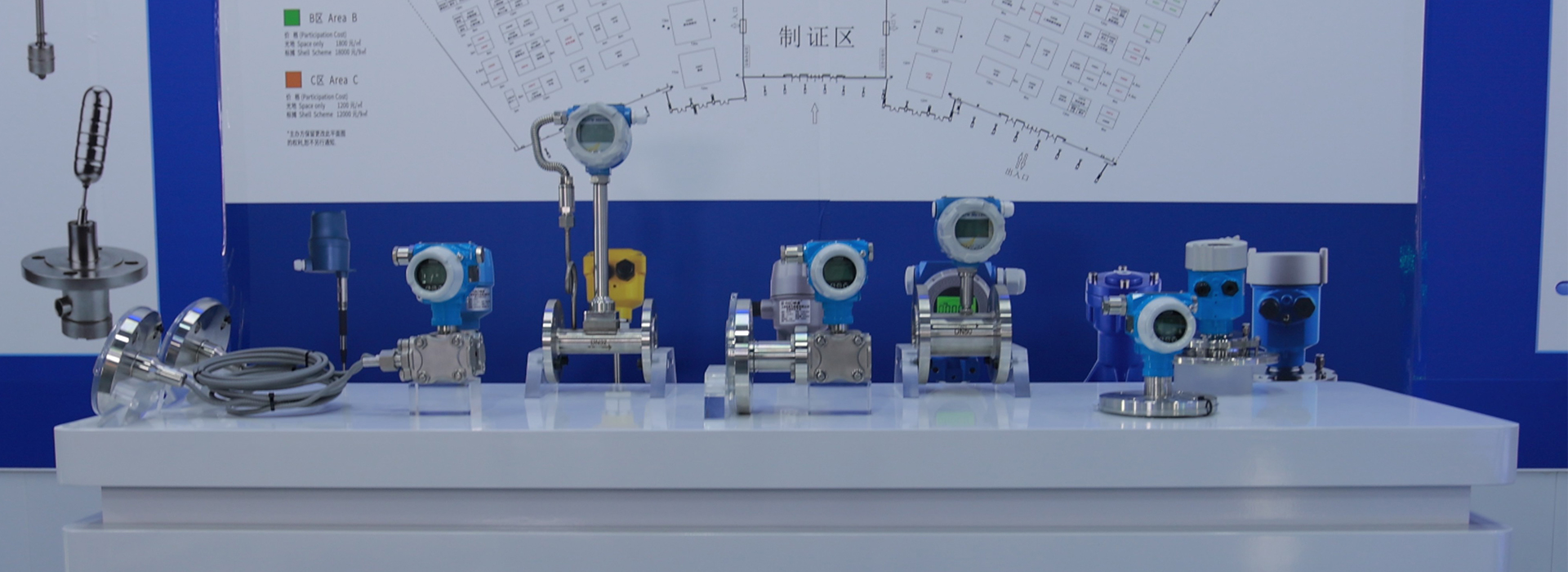
Rotary Paddle Level Switch Not Working? Common Causes And Solutions
A rotary paddle level switch may stop working correctly because of material buildup, wrong installation position, motor failure, paddle damage, wiring problems or unsuitable material conditions. This guide explains the most common causes and how buyers can troubleshoot the problem before replacing the sensor.
Get QuoteWhy Rotary Paddle Level Switch Problems Happen
Rotary paddle level switches are widely used in powder silos, hoppers and bulk solid storage systems. They are simple and reliable when the material is dry, free-flowing and properly matched with the paddle design.
However, when powder is sticky, dusty, humid, heavy or installed in a high-impact area, the switch may give false alarms, fail to trigger, stop rotating or become damaged over time.
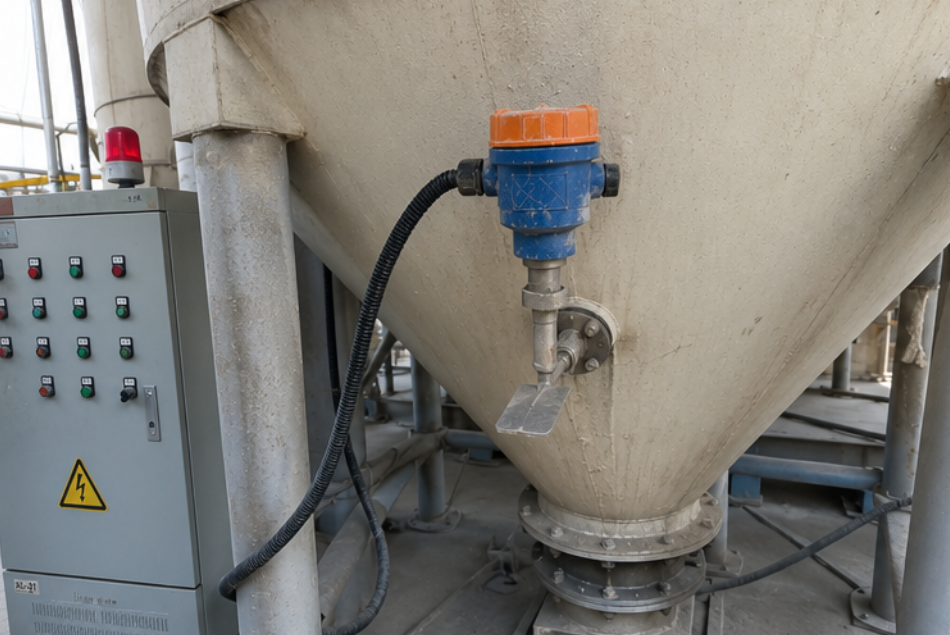
1. Material Buildup Blocks The Paddle
One of the most common problems is material buildup around the paddle or shaft. Sticky powder, humid cement, flour, fly ash or chemical powder may collect around the rotating parts and stop the paddle from moving freely.
When this happens, the switch may falsely indicate that the silo is full, or it may fail to reset after the material level drops.
Solution: clean the paddle and shaft area, check whether the material is too sticky for rotary paddle detection, and consider RF admittance level switches for serious buildup applications.
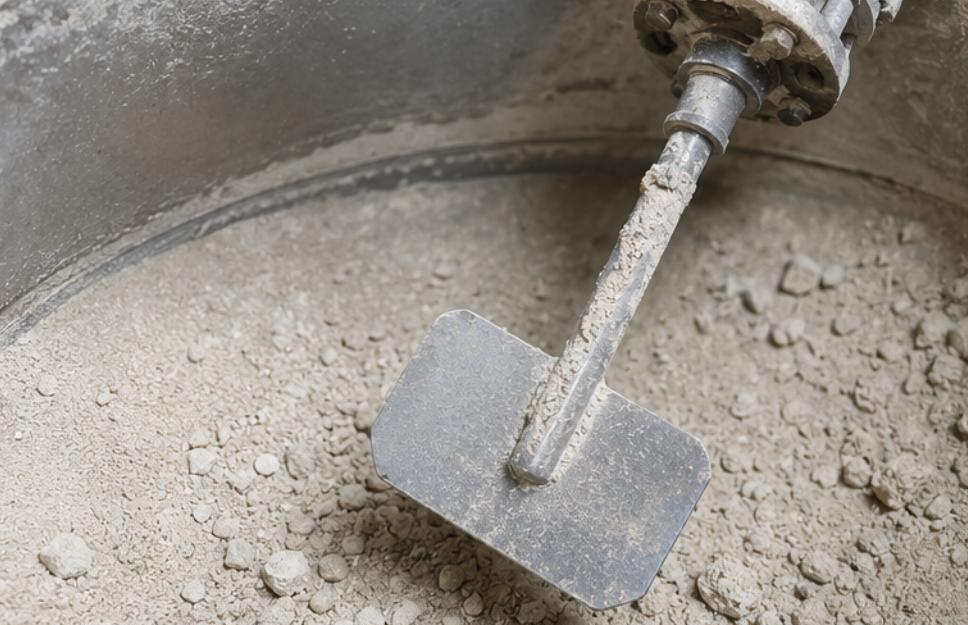
2. The Switch Is Installed In The Wrong Position
If the rotary paddle level switch is installed directly under the filling pipe, falling powder or granules may hit the paddle and cause false signals or mechanical damage. If it is installed too close to the discharge outlet, unstable material flow may also affect detection.
Solution: move the switch away from the material inlet, avoid direct impact zones, and install it at a position that represents the real high-level or low-level control point.
3. The Paddle Type Does Not Match The Material
Different materials require different paddle types. A small paddle may not detect low-density powder reliably. A standard paddle may not be strong enough for heavy or abrasive bulk solids. The wrong paddle can cause delayed response, false alarms or short service life.
| Problem | Possible Cause | Recommended Solution |
|---|---|---|
| Switch does not trigger | Powder density is too low | Use larger paddle or higher sensitivity model |
| Paddle bends or breaks | Material impact or heavy bulk solid pressure | Use stronger paddle or protective baffle |
| False full signal | Sticky buildup around paddle | Clean regularly or use RF admittance type |
| Frequent unstable alarm | Wrong installation position | Avoid inlet, outlet and impact zones |
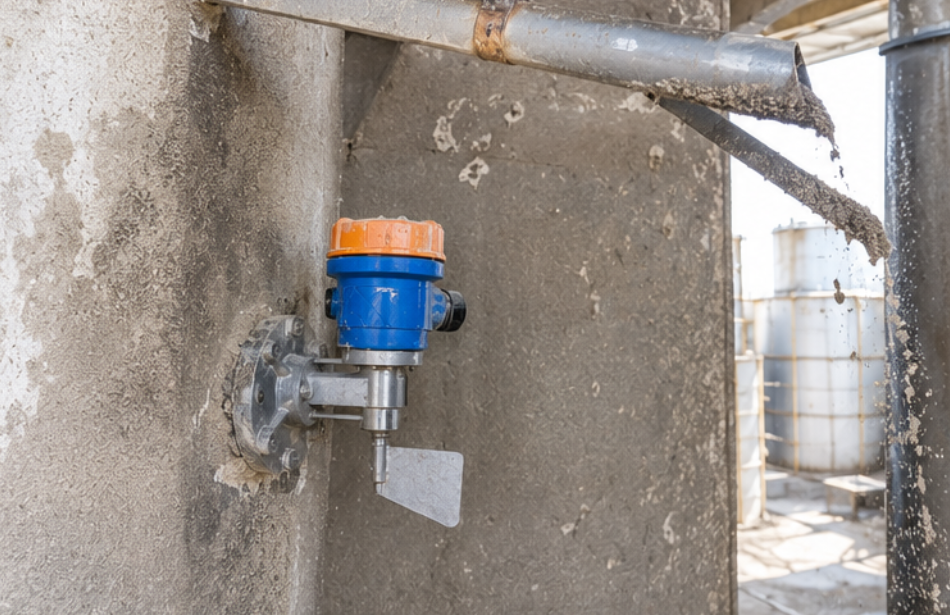
4. Motor Or Internal Mechanism Failure
If the paddle does not rotate at all, the motor, gearbox or internal mechanism may be damaged. This can happen after long-term use, excessive material resistance, poor sealing or frequent overload.
Solution: disconnect power safely, inspect the motor and internal mechanism, check whether material entered the housing, and replace damaged parts if needed.
5. Wiring Or Power Supply Problems
Some rotary paddle level switch problems are electrical, not mechanical. Loose wiring, wrong voltage, unstable power supply or incorrect relay connection can make the switch appear defective.
Solution: confirm power supply voltage, output signal type, relay wiring and control cabinet compatibility. Check terminals, grounding and cable entry sealing.
Quick Troubleshooting Checklist
Check whether the paddle is blocked by material buildup.
Check whether the paddle rotates freely when no material is present.
Confirm the switch is not installed under the filling pipe.
Check whether the paddle size matches the material density.
Inspect the shaft, paddle, motor and housing seal.
Confirm power supply voltage and output wiring.
Check whether dust or powder entered the housing.
Consider another level switch type for sticky or coating materials.
When Should You Replace The Rotary Paddle Level Switch?
If the switch still gives false signals after cleaning, repositioning and wiring checks, the selected model may not be suitable for the application. This is especially true when the material is sticky, very dusty, corrosive or low-density.
In these cases, buyers should not simply replace the same model again. It is better to review the material condition and choose a more suitable level switch technology.
What Buyers Should Provide Before Asking For A Solution
To identify the problem quickly, buyers should provide material name, bulk density, silo size, installation position, current switch model, power supply, output signal, photos of the paddle and photos of the installation area.
These details help the supplier judge whether the issue is caused by material buildup, wrong installation, mechanical damage, wiring error or unsuitable model selection.
Final Recommendation
Rotary paddle level switches are reliable for many dry powder and bulk solid applications, but they must be matched with the right material, paddle type, installation position and electrical system. Most failures can be solved by checking buildup, impact, wiring and model suitability.
Shao Level provides rotary paddle level switches, vibrating fork level switches, RF admittance level switches and other industrial level measurement products for powder silos, hoppers and bulk material handling systems.
Need Help Solving Rotary Paddle Level Switch Problems?
Send us your material type, installation photos and current fault details. Shao Level can help recommend a suitable troubleshooting or replacement solution.
Contact Us / Get Quote