
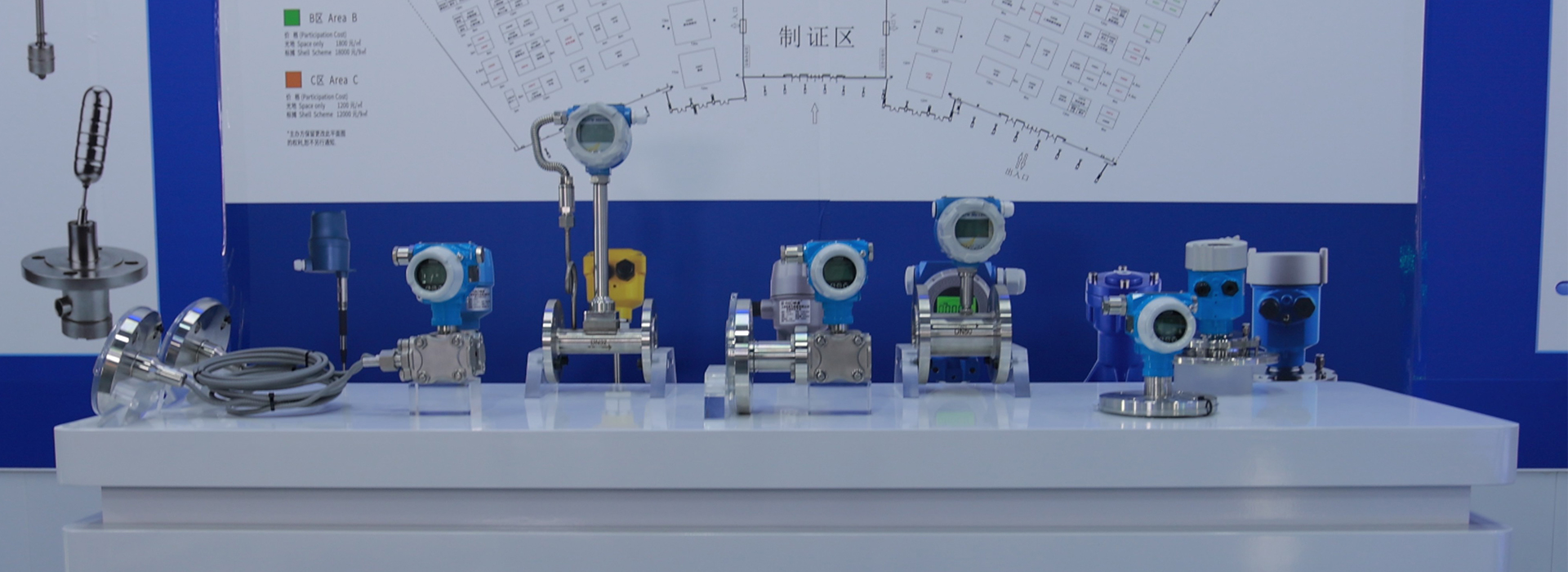
Why Powder Silo Level Switches Give False Alarms And How To Fix Them
False alarms in powder silo level switches can cause overflow risk, feeding interruption, unnecessary shutdowns and production delays. In most cases, the problem is not only the sensor itself, but also material buildup, dust, wrong installation position, poor wiring or incorrect model selection.
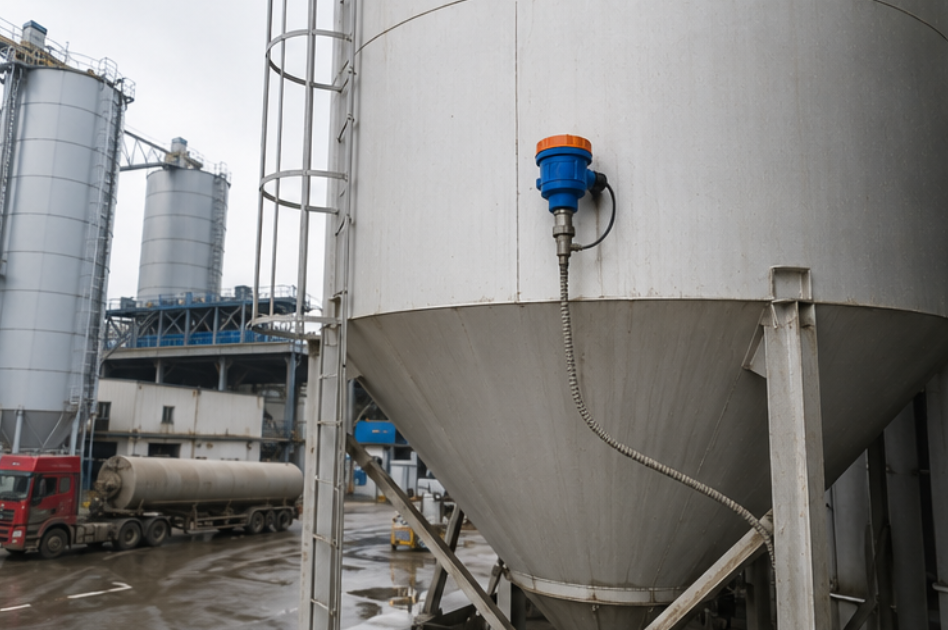
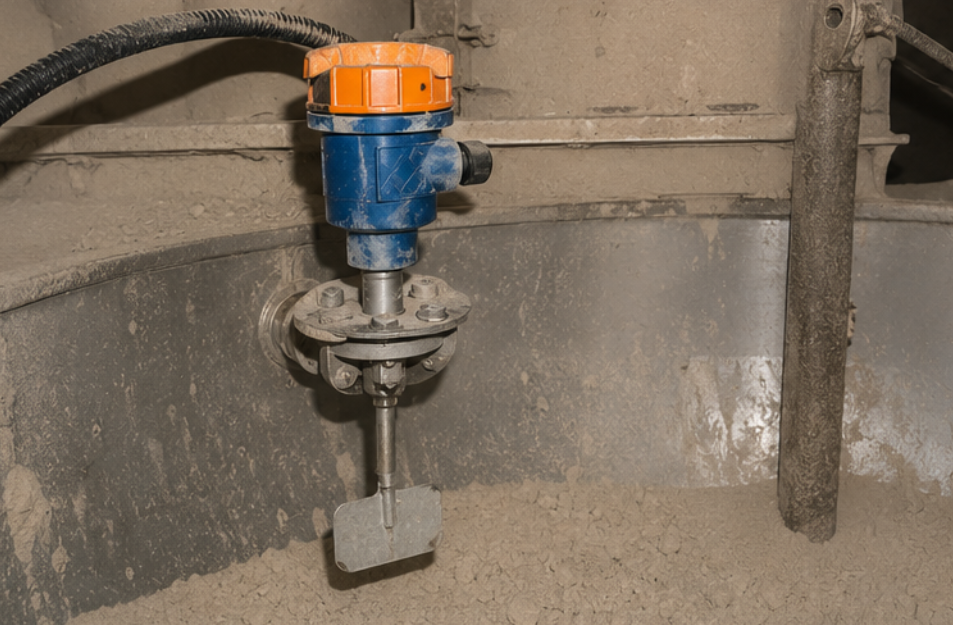
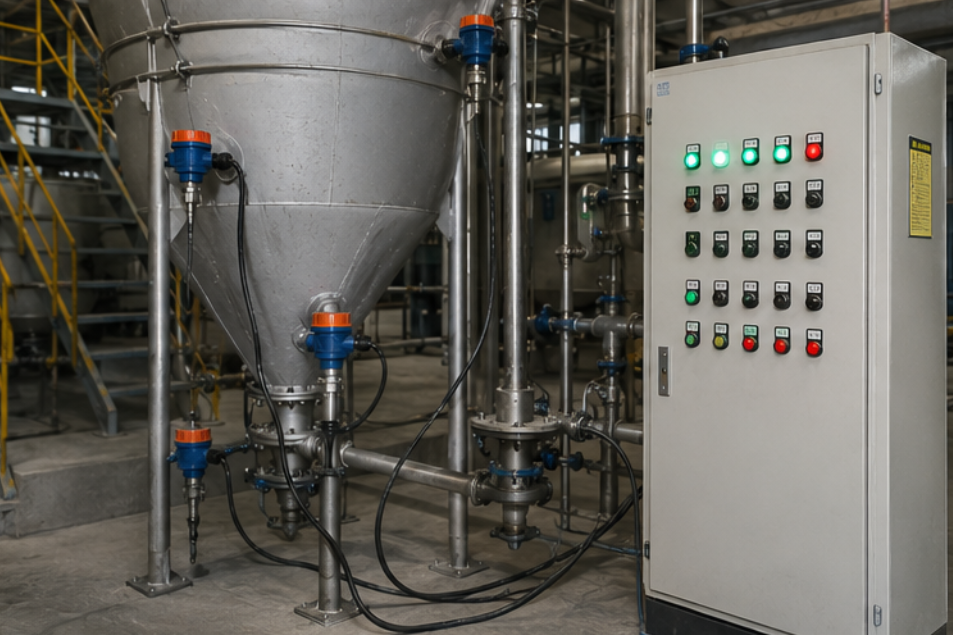
Get QuotePowder silos are more difficult than liquid tanks because powder does not always form a stable surface. During filling and discharge, powder may create dust clouds, material slopes, bridging, cavities and buildup on the sensor surface. When the level switch detects dust, buildup or temporary material impact instead of the real powder level, false alarms happen. This can make operators stop the system too early, overfill the silo, or lose trust in the automation signal. Sticky powder, humid powder and fine dust can build up on the level switch. When the buildup becomes thick enough, the sensor may think the silo is full even when the real material level has already dropped. This problem is common in cement powder, flour, fly ash, chemical powder, feed powder and other materials that easily absorb moisture or stick to metal surfaces. How to fix it: clean the sensor regularly, avoid installation points with heavy residue, and consider RF admittance level switches for materials with serious coating or buildup problems. If a level switch is installed directly under the filling pipe, falling powder may hit the probe, fork or paddle and trigger a false signal. This does not mean the silo is full. It only means the sensor is placed in the material impact zone. Low-level switches can also give false signals if installed too close to the discharge outlet, where powder flow is unstable or cavities appear during unloading. How to fix it: install the sensor away from the filling stream, avoid discharge turbulence, and use a protective baffle if material impact cannot be avoided. During pneumatic conveying or high-speed filling, powder dust may fill the silo space and temporarily cover the sensor. Fine dust may also enter weak sealing structures and affect long-term sensor performance. Dust interference is especially common in cement silos, lime powder silos, flour storage, fly ash systems and chemical powder handling. How to fix it: choose level switches with better sealing, suitable protection grade and stable signal processing. In dusty or hazardous areas, explosion-proof models may also be required. Different powder materials require different level switch technologies. A rotary paddle level switch may work well for dry plastic granules, but it may not be ideal for sticky or coating powder. A vibrating fork switch may be suitable for compact hoppers, but coating on the fork can still affect detection in difficult applications. False alarms may also come from electrical problems. Loose terminals, unstable power supply, poor grounding, electrical interference or incorrect output signal matching can cause unreliable switching. Another common problem is that the control system reacts too fast. During filling, powder may briefly touch the sensor. If there is no signal delay, this short contact may become a false alarm. How to fix it: check wiring terminals, power supply, grounding, relay/PNP/NPN output compatibility and signal delay settings. Check whether powder buildup covers the probe, fork or paddle. Confirm whether the sensor is installed under the filling pipe. Check if dust clouds appear during silo filling. Confirm whether the switch type matches the powder condition. Check wiring, grounding, power supply and output signal. Use signal delay to filter temporary material contact. Consider RF admittance type for sticky or coating materials. Provide silo photos and working conditions before replacing the switch. To identify the real cause of false alarms, buyers should provide powder name, bulk density, dust level, humidity, silo size, filling method, discharge method, installation photos, current level switch model, power supply and output signal. If possible, send photos showing the sensor position, material inlet, discharge outlet and any buildup on the sensor surface. This helps the supplier recommend a more reliable solution instead of simply replacing the same model. Powder silo level switch false alarms are usually caused by a combination of material behavior, installation position, dust, buildup and electrical settings. Solving the problem requires both correct troubleshooting and proper sensor selection. Shao Level provides rotary paddle level switches, vibrating fork level switches, RF admittance level switches, capacitance level switches and other level measurement products for powder silos, hoppers, tanks and automation systems. Send us your powder type, silo structure, installation photos and current alarm problem. Shao Level can help recommend a suitable level switch solution.Why False Alarms Happen In Powder Silos
1. Material Buildup On The Probe, Fork Or Paddle

2. Wrong Installation Position
3. Heavy Dust Interference
4. Wrong Level Switch Type For The Material
Powder Condition Common Problem Recommended Solution Dry, free-flowing powder Normal high/low level detection Rotary paddle or vibrating fork level switch Sticky or coating powder Buildup causes false high-level signal RF admittance level switch Fine dusty powder Dust cloud causes unstable signal Better sealing and proper signal delay Low-density powder Sensor may not trigger reliably Higher sensitivity model or larger paddle 5. Wiring, Power Supply Or Control Logic Problems
Quick Troubleshooting Checklist
What Buyers Should Send Before Asking For A Solution
Final Recommendation
Need Help Solving Powder Silo False Alarms?