
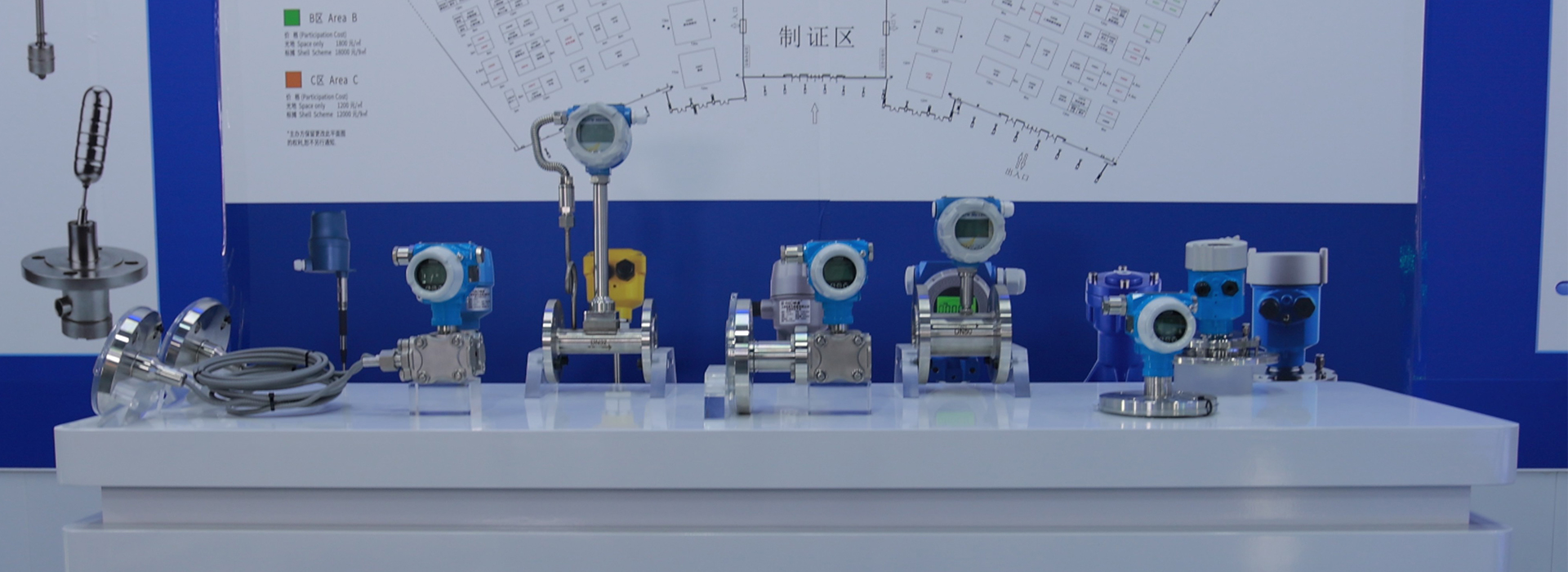
How To Choose A Rotary Paddle Level Switch For Powder Silos
For powder silos, reliable level detection is not only about choosing a sensor. Buyers must consider material density, silo structure, installation position, paddle type, motor protection, dust conditions and long-term maintenance. A suitable rotary paddle level switch can help prevent overflow, empty running, material blockage and production downtime.
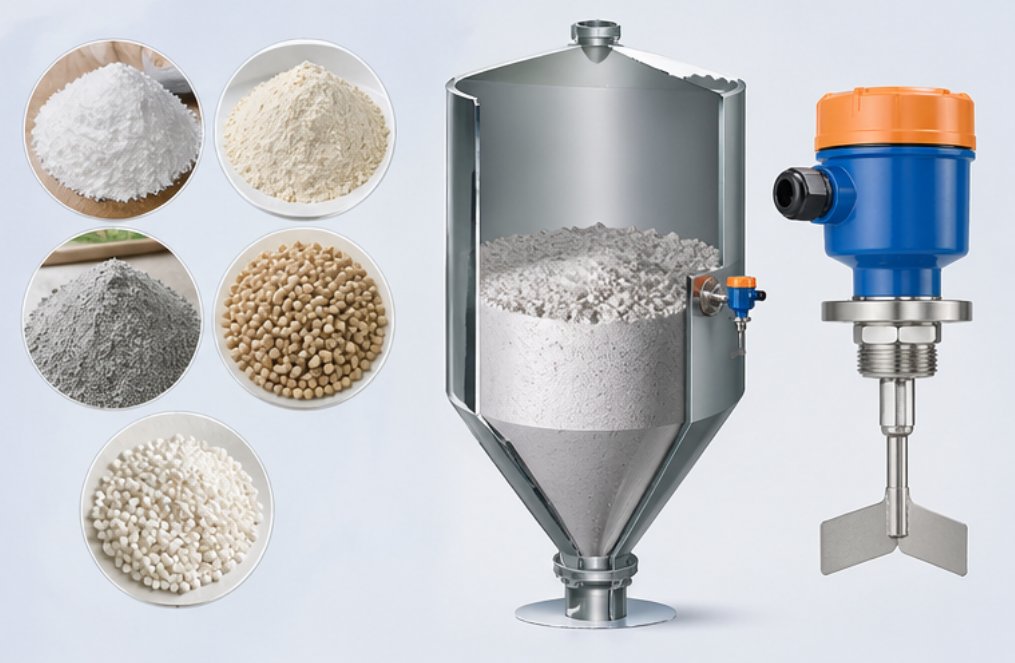
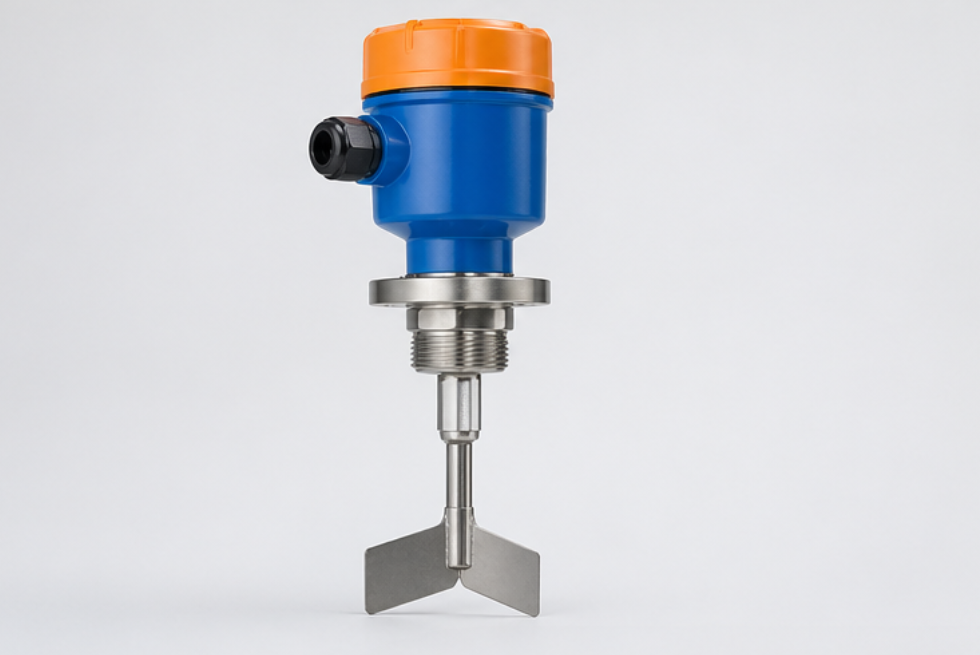
Get QuoteA rotary paddle level switch is widely used for detecting high level, low level or material presence inside powder silos, hoppers and storage bins. Its working principle is simple and reliable: the motor drives the paddle to rotate continuously. When powder or bulk material reaches the paddle, the rotation is blocked, and the internal mechanism sends a signal to the control system. Compared with some electronic level sensors, rotary paddle level switches are easy to understand, easy to install and suitable for many dry bulk solid materials. They are commonly used for cement powder, flour, plastic granules, feed, fly ash, lime powder, chemical powder, mineral powder and other granular or powdered materials. For overseas buyers, the key is not only price. The most important point is whether the level switch can work stably under the actual silo conditions. Before choosing a rotary paddle level switch, buyers should clearly understand the material inside the silo. Different powders have different flowability, density, adhesion and dust levels. A level switch that works well for plastic pellets may not be suitable for sticky flour or high-density mineral powder. Bulk density: Light powder requires a more sensitive structure and suitable paddle design. Particle size: Fine powder and large granules may need different paddle shapes. Adhesiveness: Sticky materials may cause buildup around the shaft or paddle. Dust level: High-dust environments require better sealing and protection. Temperature: High-temperature powder silos require heat-resistant models. If the material condition is not confirmed before ordering, the switch may give false signals, fail to rotate smoothly, or require frequent cleaning. Installation position has a direct influence on detection stability. In powder silos, rotary paddle level switches are usually installed on the side wall for high-level or low-level detection. For high-level alarm, the switch should be placed at a position where the material reaches before overflow. For low-level alarm, it should be installed above the discharge area to avoid empty running. Buyers should avoid installing the switch directly in the main material impact zone. If powder falls directly onto the paddle during loading, it may cause mechanical stress, false triggering or premature wear. When the silo has strong material impact, a protective baffle may be needed. The installation angle, silo wall thickness, mounting thread or flange type should also be confirmed before production. For customized silos or OEM equipment, it is better to provide installation drawings to the manufacturer. The paddle is the part that directly contacts the powder. Different paddle shapes are used for different materials and silo structures. For normal powder or granules, a standard paddle is often enough. For light-density materials, a larger paddle may improve sensitivity. For narrow installation spaces, a smaller or foldable paddle may be more convenient. Buyers should not choose the paddle only by appearance. The paddle size, torque requirement and material resistance should match the actual working condition. If the paddle is too small, it may not detect light powder reliably. If it is too large, it may be easily damaged under heavy material pressure. Material name and bulk density Powder temperature and humidity Silo size and wall thickness High-level or low-level detection purpose Side mounting or top mounting requirement Thread, flange or customized connection Explosion-proof requirement if used in hazardous areas Output signal and power supply requirement A rotary paddle level switch works in a dusty and sometimes harsh environment. Therefore, motor protection and sealing design are very important. A reliable switch should protect the motor when the paddle is blocked by material. Good sealing can reduce powder entering the housing and extend service life. For cement plants, chemical powder silos and outdoor storage systems, buyers should pay attention to enclosure protection, shaft sealing, temperature resistance and vibration resistance. If the silo environment is aggressive or corrosive, stainless steel contact parts may be required. Some powder environments may involve dust explosion risks, especially in chemical, grain, flour, coal powder or combustible dust applications. In these cases, buyers should confirm whether explosion-proof design or special certification is required. Do not use a standard rotary paddle level switch in a hazardous environment without checking the application requirements. For international projects, buyers should also confirm voltage, wiring method, protection grade and documentation requirements before placing an order. To receive a more accurate quotation and model recommendation, buyers should provide basic project information instead of only asking for a price. This helps avoid wrong model selection and reduces communication cost. Rotary paddle level switches are suitable for many powder and bulk solid handling systems. They are commonly used in cement silos, lime powder tanks, flour silos, feed storage bins, plastic granule hoppers, chemical powder tanks, fly ash systems and automatic batching equipment. In these applications, the switch can be used as a high-level alarm, low-level alarm, material presence detector or process interlock signal. For equipment manufacturers, choosing a stable level switch helps improve machine reliability and reduce after-sales problems. When choosing a rotary paddle level switch for powder silos, buyers should focus on application matching rather than only comparing prices. Material density, paddle type, installation position, sealing design, motor protection and environmental requirements all affect long-term performance. Shao Level provides industrial level measurement products for powder silos, liquid tanks and automation systems, including rotary paddle level switches, vibrating fork level switches, capacitance level switches, RF admittance level switches, magnetic level gauges and float level switches. For customized powder silo applications, model selection support can help buyers reduce procurement risk. Send us your material type, silo size, installation position and working conditions. Our team can recommend a suitable level switch solution for your powder silo project.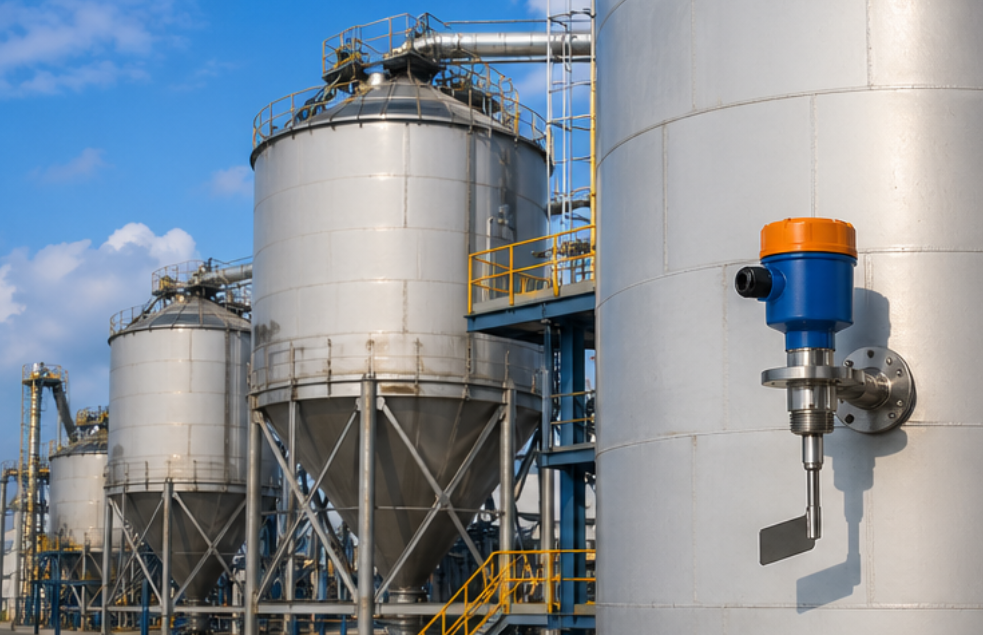
Why Rotary Paddle Level Switches Are Commonly Used In Powder Silos
1. Confirm The Powder Characteristics First
2. Choose The Right Installation Position
3. Match The Paddle Type With The Application
Key Selection Checklist
4. Check Motor Protection And Sealing Design
5. Consider Safety And Explosion-Proof Requirements
6. What Information Should Buyers Provide Before Quotation?
Information Needed Why It Matters Material type Determines paddle type and sensitivity Bulk density Affects torque and detection reliability Silo size Helps confirm installation position Temperature Determines whether high-temperature model is needed Power supply Ensures compatibility with control cabinet Connection type Confirms thread, flange or customized mounting 
Common Applications
Final Recommendation
Need Help Choosing A Rotary Paddle Level Switch?