
Level Switch Installation Mistakes That Cause False Signals In Silos
Many silo level switch false signals are not caused by sensor quality alone. Wrong installation position, direct material impact, dust buildup, poor wiring and unsuitable mounting methods can all make a level switch unreliable. This guide explains the most common installation mistakes and how to avoid them.
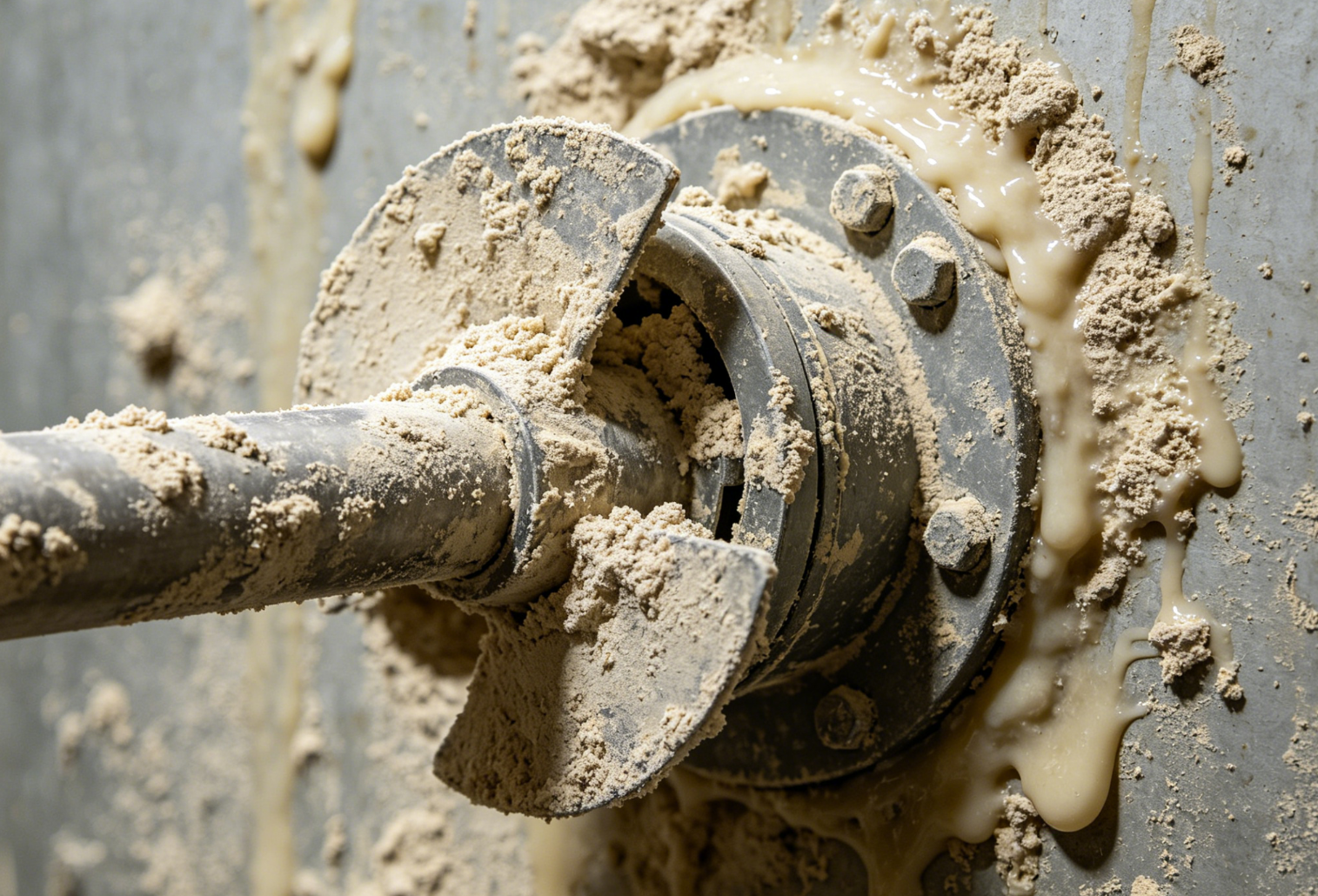
Get QuotePowder silos and bulk material storage systems are difficult environments for level detection. During filling and discharge, powder may create dust clouds, uneven surfaces, bridging, cavities and material impact. If the level switch is installed in the wrong place, it may detect temporary material movement instead of the real level. False signals may stop feeding too early, trigger unnecessary alarms, cause empty running or make operators ignore the alarm system. Correct installation is essential for reliable level measurement. This is one of the most common mistakes in silo level switch installation. When powder enters the silo, falling material may hit the probe, fork or paddle directly. The sensor may trigger even though the silo is not full. This problem is common in cement silos, flour silos, fly ash silos, plastic pellet hoppers and chemical powder storage systems. How to fix it: install the level switch away from the filling stream. If the filling direction cannot be changed, use a protective baffle to reduce direct material impact. Low-level switches are often installed near the lower part of the silo. However, if the sensor is too close to the discharge outlet, material flow may create cavities, unstable surfaces or temporary empty zones around the switch. This may cause the sensor to send a low-level signal even when there is still material in the silo. How to fix it: place the low-level switch above the unstable discharge area and confirm the actual material flow pattern before installation. Some silo walls naturally collect powder buildup, especially when the material is humid, sticky or fine. If the level switch is installed in a buildup zone, the sensor may detect the residue as real material and send false high-level signals. This is especially common in flour, cement, chemical powder and feed powder applications. How to fix it: avoid known buildup areas, inspect the sensor regularly, and consider RF admittance level switches for coating or buildup-prone materials. Probe length and mounting angle must match the silo wall thickness, material flow and detection point. If the probe is too short, it may not reach the correct material area. If it is too long, it may be hit by falling material or damaged by material pressure. For rotary paddle switches, paddle size and shaft length must also match the powder density and installation depth. How to fix it: confirm silo drawing, wall thickness, mounting direction and required detection point before ordering. Silo environments are often dusty and sometimes outdoor. If the cable entry is not sealed well, dust or moisture may enter the housing and affect internal electronics, motor parts or signal output. Loose wiring, unstable power supply or poor grounding can also cause false signals. How to fix it: check cable glands, wiring terminals, grounding, voltage and output signal compatibility. For hazardous dust areas, use explosion-proof cable entry and proper grounding. Do not install directly under the filling pipe. Avoid strong material impact zones. Do not install too close to unstable discharge flow. Avoid wall areas with frequent powder buildup. Confirm probe length, paddle size and mounting angle. Check thread, flange and silo wall thickness before installation. Seal cable entry and protect wiring from dust and moisture. Use signal delay to reduce temporary false alarms. To avoid installation mistakes, buyers should provide silo height, silo diameter, wall thickness, filling pipe position, discharge outlet position, powder type, dust level, high-level or low-level purpose, process connection and control system details. Photos or drawings of the silo are very useful. They help the supplier recommend a better installation position and avoid false signals after commissioning. False signals in silos often come from incorrect installation rather than the level switch itself. Before replacing the sensor, buyers should check the filling stream, discharge area, buildup zones, probe length, wiring and control logic. Shao Level provides rotary paddle level switches, vibrating fork level switches, RF admittance level switches and other industrial level measurement products for powder silos, hoppers and bulk material handling systems. Send us your silo drawing, powder type and installation position. Shao Level can help recommend a suitable level switch installation solution.Why Installation Mistakes Cause False Signals
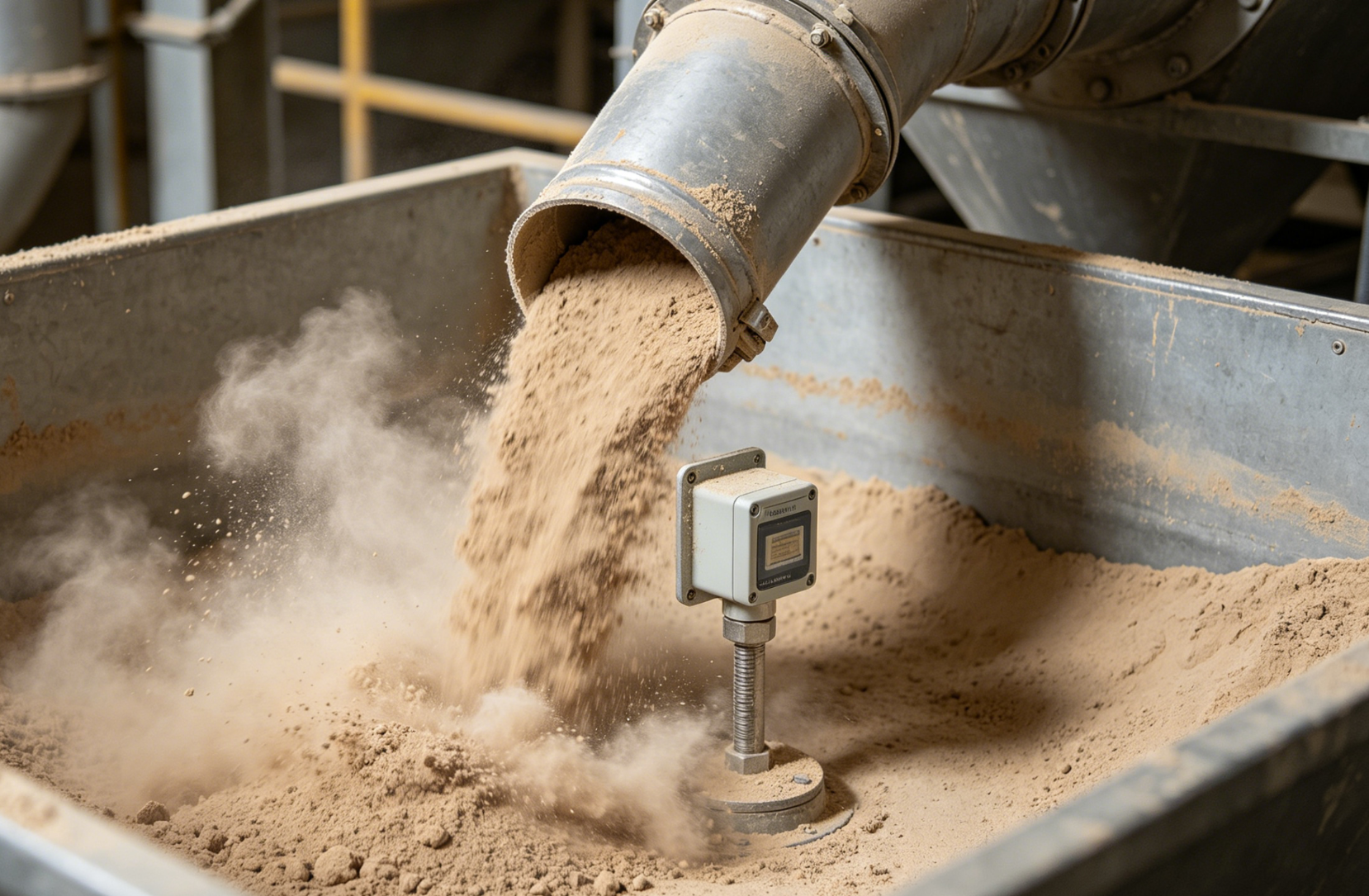
Mistake 1: Installing Directly Under The Filling Pipe
Mistake 2: Installing Too Close To The Discharge Outlet
Mistake 3: Ignoring Material Buildup Areas
Mistake 4: Wrong Mounting Angle Or Probe Length
Mistake 5: Poor Wiring And Cable Entry Sealing
Installation Mistake Checklist
What Buyers Should Provide Before Installation
Final Recommendation
Need Help Avoiding Level Switch Installation Mistakes?