
How To Prevent Overflow In Cement, Flour And Chemical Powder Silos
Silo overflow can cause material waste, dust pollution, equipment damage, safety risks and production delays. For cement, flour and chemical powder silos, preventing overflow requires the right high-level alarm, reliable level switch selection, proper installation position and stable control logic.
Get QuoteOverflow usually happens when the silo filling process continues after the material has reached the safe maximum level. In many cases, the problem is caused by no high-level alarm, failed level switch, wrong installation position, dust interference or delayed operator response. Cement, flour and chemical powders create different risks. Cement overflow can block filters and create heavy dust pollution. Flour overflow may create hygiene and combustible dust concerns. Chemical powder overflow may create contamination, corrosion or safety hazards. The first protection against silo overflow is a reliable high-level alarm. A high-level alarm detects when the powder reaches the upper safe limit and sends a signal to the control cabinet, alarm light, buzzer or automatic filling stop system. For powder silos, high-level alarms are often used with rotary paddle level switches, vibrating fork level switches, RF admittance level switches or capacitance level switches. The right choice depends on powder type, dust level, buildup risk and safety requirements. Different powders need different level switch solutions. A level switch that works well in dry plastic granules may not be suitable for humid flour or dusty chemical powder. A common mistake is installing the high-level switch directly under the filling pipe. During filling, falling powder may hit the sensor and trigger false alarms before the silo is actually full. In other cases, dust clouds may temporarily cover the sensor and create unstable signals. The high-level switch should be installed near the maximum safe level, but away from the direct material stream. If impact cannot be avoided, a protective baffle may be needed. A level switch should not only send a signal; it should be integrated into the silo filling control logic. When the high-level switch is triggered, the system can activate an alarm light, buzzer, PLC signal or automatic filling stop. For dusty powder filling, a short signal delay can help filter temporary material contact. However, the delay should not be too long, or the system may respond too late during fast filling. Alarm light and buzzer for operator warning PLC input for automatic control Filling stop signal for overflow prevention Signal delay for reducing temporary false alarms Regular alarm testing before production Install a reliable high-level alarm near the safe maximum level. Choose the level switch according to powder type and dust condition. Avoid installing the sensor directly under the filling pipe. Use RF admittance type for sticky or coating powder. Use explosion-proof models if combustible dust or hazardous areas exist. Connect the alarm signal to control cabinet or PLC. Test alarm function before silo filling operation. Inspect sensor buildup, wiring and alarm devices regularly. To recommend the right overflow prevention solution, buyers should provide powder name, silo height, silo diameter, filling method, filling pipe position, maximum safe level, dust level, humidity, installation photos, power supply and output signal requirement. If the silo has already experienced overflow or false alarms, photos of the existing high-level switch, filling pipe and control cabinet can help identify the cause and improve the solution. Preventing overflow in cement, flour and chemical powder silos requires more than installing a random sensor. The high-level alarm must match the powder condition, installation position and control system. Shao Level provides rotary paddle level switches, vibrating fork level switches, RF admittance level switches, capacitance level switches and other level measurement products for powder silos, hoppers and industrial automation systems. Send us your powder material, silo size and filling method. Shao Level can help recommend a suitable level switch solution to reduce overflow risk.Why Powder Silo Overflow Happens
1. Use A Reliable High-Level Alarm
2. Choose The Right Level Switch For Each Powder
Powder Type Overflow Risk Recommended Level Switch Cement Powder Heavy dust, filter blockage, outdoor pollution Rotary paddle / vibrating fork / RF admittance Flour Dust, hygiene risk, buildup in humid conditions Vibrating fork / rotary paddle / RF admittance Chemical Powder Corrosion, contamination, hazardous dust RF admittance / capacitance / explosion-proof model Sticky Or Humid Powder Buildup causes false signals RF admittance level switch 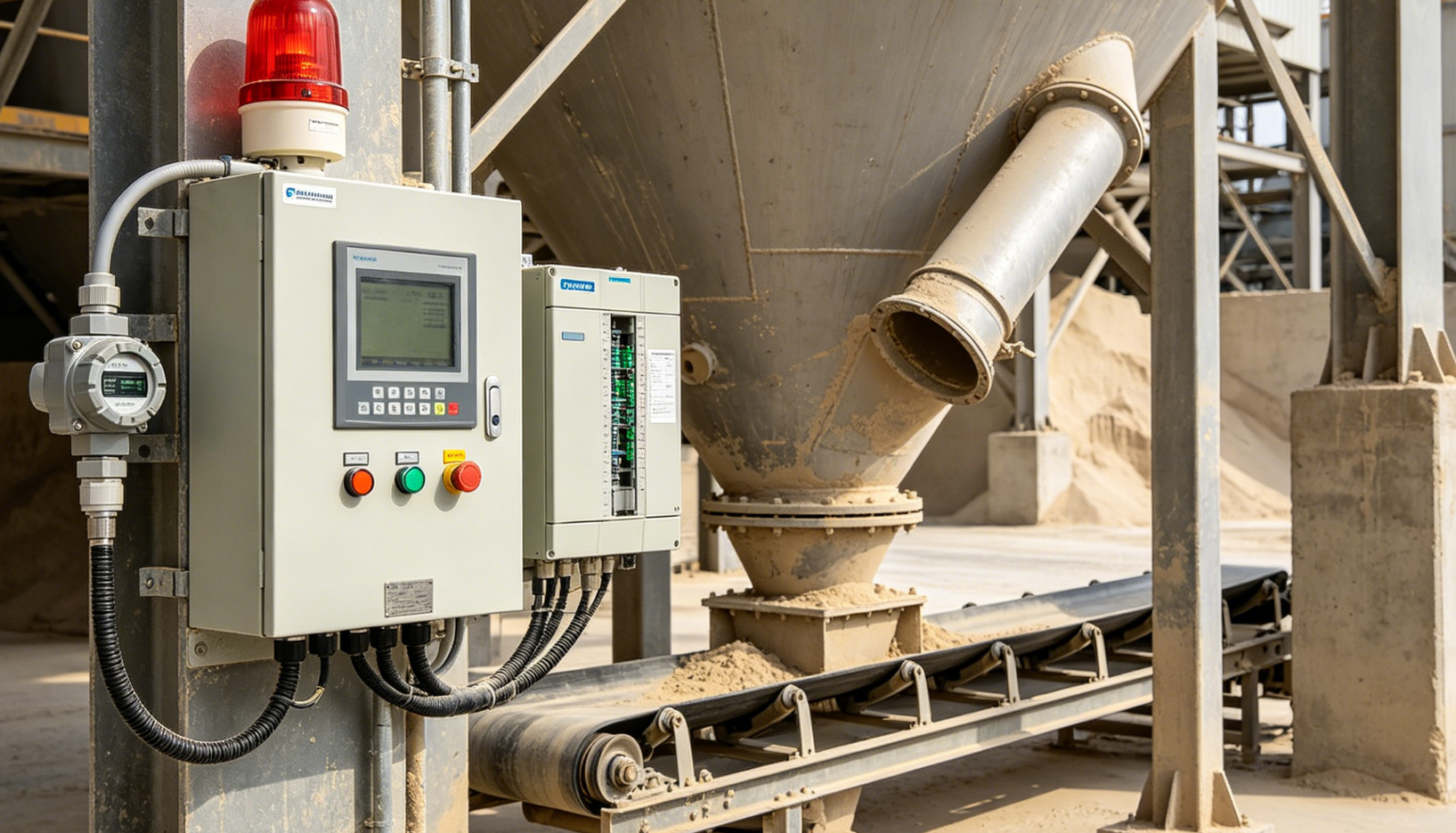
3. Avoid Wrong Installation Position
4. Connect The Alarm To Control Logic
Powder Silo Overflow Prevention Checklist
What Buyers Should Provide Before Quotation
Final Recommendation
Need A High-Level Alarm For Powder Silo Overflow Prevention?