
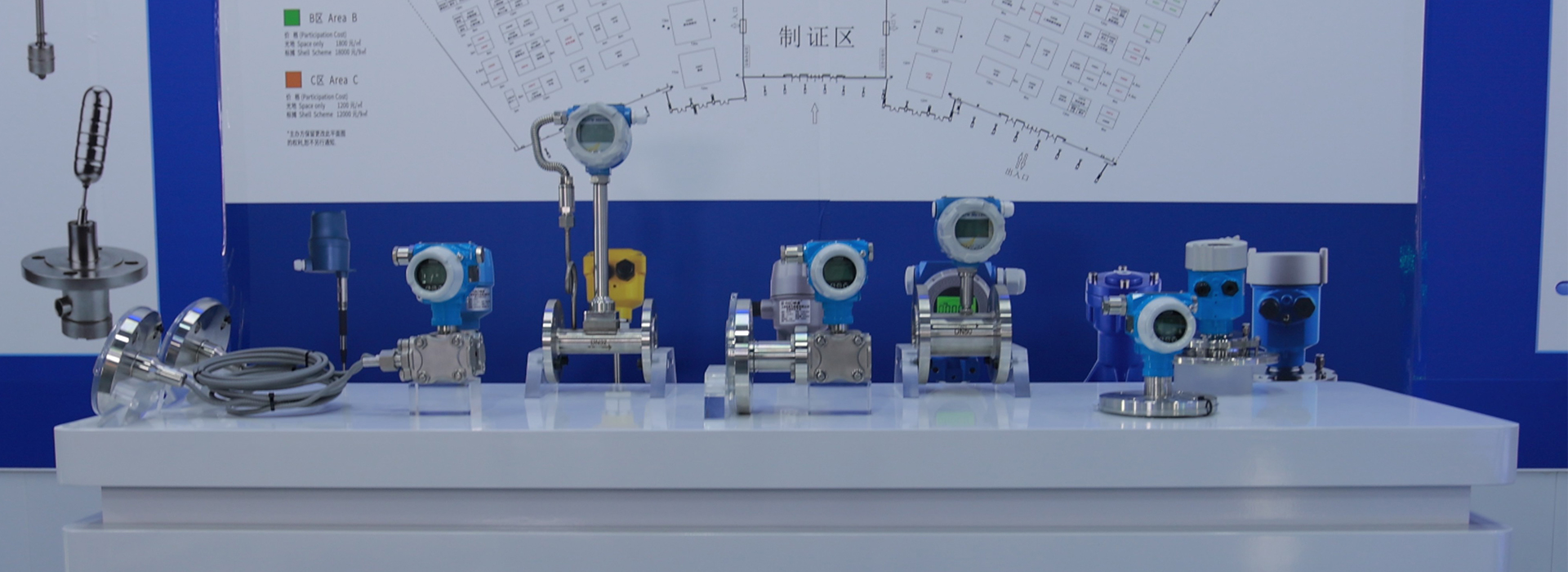
Why Cheap Level Switches Cause More Downtime In Powder Handling Systems
Low-cost level switches may look attractive during procurement, but in powder handling systems they often create false alarms, unstable signals, material overflow and unexpected downtime. In many factories, the hidden maintenance and production loss cost is much higher than the original sensor price difference.
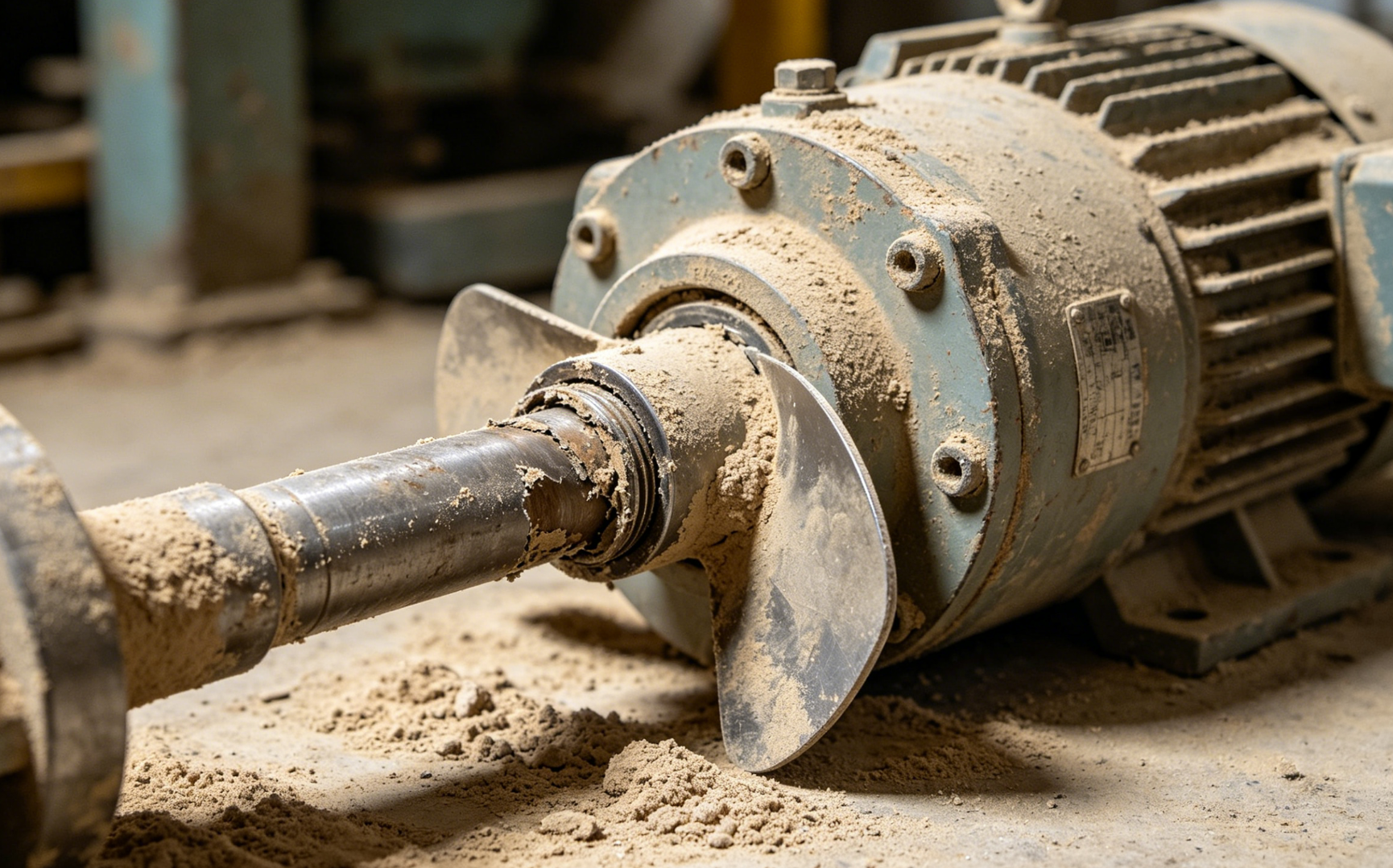
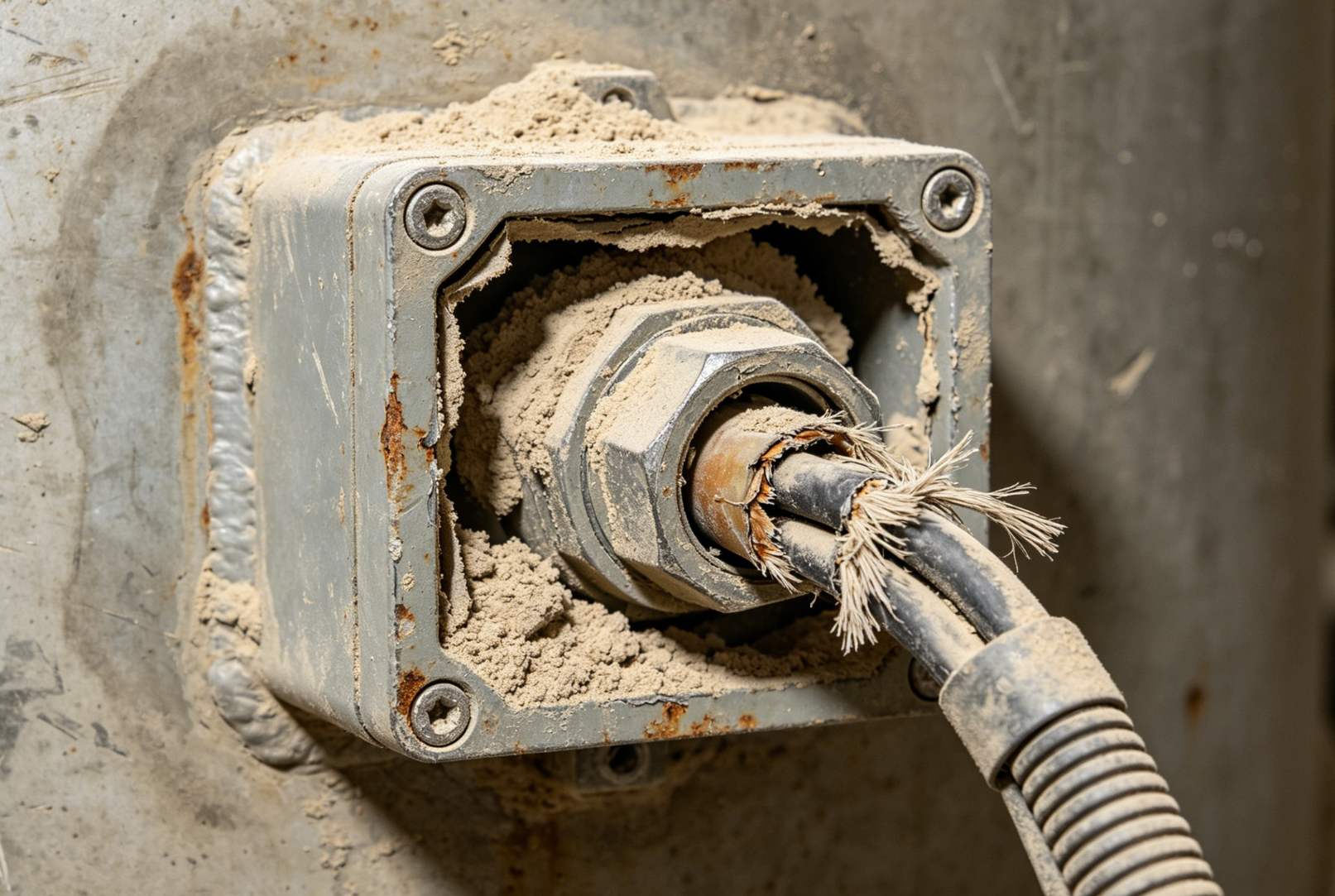
Get QuotePowder handling systems are much more demanding than simple liquid tanks. Cement powder, flour, fly ash, feed powder, chemical powder and plastic powder can create heavy dust, buildup, abrasion and unstable flow conditions. During filling and discharge, the level switch may experience vibration, dust clouds, material impact and coating on the sensor surface. Cheap level switches often fail because their sealing, internal components, motor quality or signal stability are not designed for long-term industrial use. One of the biggest problems with low-quality level switches is false alarms. Cheap sensors may react to dust clouds, temporary material impact or minor vibration instead of the real material level. In powder silos and feeding systems, false high-level alarms may stop filling too early, while false low-level alarms may stop conveyors, screw feeders or production lines unnecessarily. Even a short production stop may cost much more than the original price difference between a cheap sensor and a reliable industrial model. Dust is one of the biggest enemies of industrial level switches. Cheap products often use lower-quality sealing structures, cable glands and housing materials. Over time, powder dust may enter the housing and damage the motor, electronics or relay output. This problem is common in cement silos, flour storage systems and chemical powder handling lines where heavy dust is always present during filling. Result: unstable signals, short service life and repeated maintenance shutdowns. Rotary paddle level switches depend on motors, shafts and paddles. If the motor quality is poor or the shaft material is weak, the sensor may stop rotating after long-term use. In abrasive powder applications such as cement, fly ash and mineral powder, cheap paddles may bend, deform or break under material pressure. Result: false full signals, stuck paddles and emergency replacement during production. Some low-cost level switches are sold as “universal models” without considering the actual powder condition. However, sticky powder, low-density powder, dusty powder and buildup-prone materials require different sensor technologies. Many buyers focus only on sensor purchase cost. However, in real factory operation, downtime is usually much more expensive than the level switch itself. Unexpected production stops Material overflow cleanup Manual silo inspection Emergency maintenance labor Control system interruption Delayed delivery schedules In many powder handling systems, stable operation is more valuable than the lowest purchase price. Choose level switches based on real powder conditions. Check sealing, protection grade and housing quality. Avoid installing directly under the filling inlet. Use RF admittance technology for sticky or coating powder. Choose stronger paddles for abrasive bulk solids. Check output signal compatibility with PLC and control cabinet. Use industrial-grade cable entry and wiring protection. Request technical recommendation instead of only comparing price. To reduce downtime risk, buyers should provide powder type, bulk density, dust level, buildup condition, silo size, installation position, high-level or low-level alarm purpose, voltage, output signal and current application problems. Photos of the silo, filling area and existing level switch installation can help suppliers recommend a more reliable industrial solution instead of a low-cost unsuitable model. Cheap level switches may reduce purchase cost at the beginning, but repeated false alarms, short service life and production downtime often create much higher long-term cost. The right level switch should match the powder condition, installation environment and automation system. Shao Level provides rotary paddle level switches, vibrating fork level switches, RF admittance level switches and other industrial level measurement products for powder silos, hoppers and bulk material handling systems. Send us your powder material, silo condition and downtime problem details. Shao Level can help recommend a more reliable industrial level switch solution.Why Powder Handling Systems Are Difficult For Level Switches
1. False Alarms Stop Production
2. Poor Sealing Causes Dust Damage
3. Cheap Mechanical Parts Wear Faster
4. Cheap Sensors Often Ignore Real Application Conditions
Application Condition Risk With Cheap Sensors Better Solution Sticky powder Buildup causes false alarms RF admittance level switch Heavy dust Poor sealing damages electronics Industrial sealed housing Low-density powder Sensor does not trigger reliably Higher sensitivity model Abrasive bulk solid Paddle wear and mechanical failure Stronger shaft and industrial paddle 5. Downtime Costs More Than The Sensor Price
How To Avoid Downtime Problems
What Buyers Should Provide Before Selection
Final Recommendation
Need A Reliable Level Switch For Powder Handling Systems?