
Rotary Paddle vs RF Admittance Level Switch: Reducing Downtime In Powder Handling
Rotary paddle and RF admittance level switches are two of the most common technologies used in powder handling systems. Choosing the wrong type can lead to false alarms, material overflow, feeding interruptions and costly downtime. Understanding their differences helps buyers select the most reliable solution for their application.
Get QuoteIn cement plants, flour mills, chemical powder systems, feed production lines and plastic material handling systems, level switches control feeding, storage and overflow protection. If the sensor cannot accurately detect material levels, production may stop unexpectedly or continue operating under unsafe conditions. Many downtime problems originate from selecting a level switch that does not match the actual powder characteristics. Dust, buildup, humidity and material density all influence performance. Rotary paddle level switches use a motor-driven paddle that rotates continuously. When powder reaches the paddle, the resistance stops rotation and triggers the output signal. They are widely used because of their simple structure, competitive price and reliable performance in free-flowing powders and bulk solids. Suitable for cement, grain, feed and plastic granules. Simple installation and maintenance. Cost-effective for high-level and low-level alarms. Widely used in powder silos and storage bins. However, sticky materials or heavy buildup can affect paddle movement and cause false signals over time. RF admittance level switches use radio frequency technology to detect changes in material presence around the probe. Advanced circuitry helps distinguish actual material from coating or buildup on the sensor surface. This technology is especially useful in applications where dust, humidity or sticky materials frequently create false alarms. Suitable for sticky powders and coating materials. Excellent resistance to buildup and dust interference. Reliable in difficult industrial environments. Reduces maintenance frequency in challenging applications. RF admittance level switches generally have a higher initial cost than rotary paddle models, but they often reduce long-term maintenance and downtime expenses. Rotary paddle level switches are usually the best choice when the material is dry, free-flowing and does not create significant buildup. They provide a cost-effective solution for cement silos, grain storage, feed bins and plastic pellet handling systems. For projects where budget is important and operating conditions are relatively stable, rotary paddle technology often provides an excellent balance between performance and cost. RF admittance level switches are recommended when the material is sticky, humid, fine or likely to coat the sensor. They are commonly used in chemical powder systems, fly ash silos, humid flour storage and difficult bulk material applications. If false alarms and maintenance downtime are already a problem, upgrading to RF admittance technology can significantly improve system reliability. Material name and powder characteristics. Dust level and humidity conditions. History of false alarms or downtime. Material buildup tendency. Silo size and installation position. Required output signal and PLC compatibility. Maintenance expectations and operating budget. Explosion-proof requirements if applicable. Both rotary paddle and RF admittance level switches can reduce downtime when correctly matched to the application. Rotary paddle switches provide excellent value for standard powders, while RF admittance technology delivers superior reliability in dusty, sticky and buildup-prone environments. Shao Level provides rotary paddle level switches, RF admittance level switches, vibrating fork level switches and other industrial level measurement solutions for powder silos, hoppers and bulk material handling systems. Send us your powder type, silo conditions and downtime challenges. Shao Level can recommend the most suitable level switch solution for your application.Why Level Switch Selection Affects Downtime
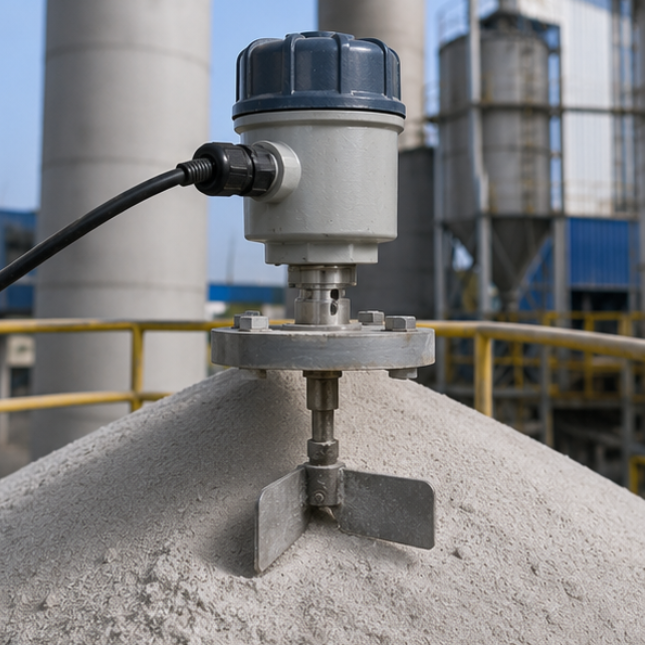
How Rotary Paddle Level Switches Work
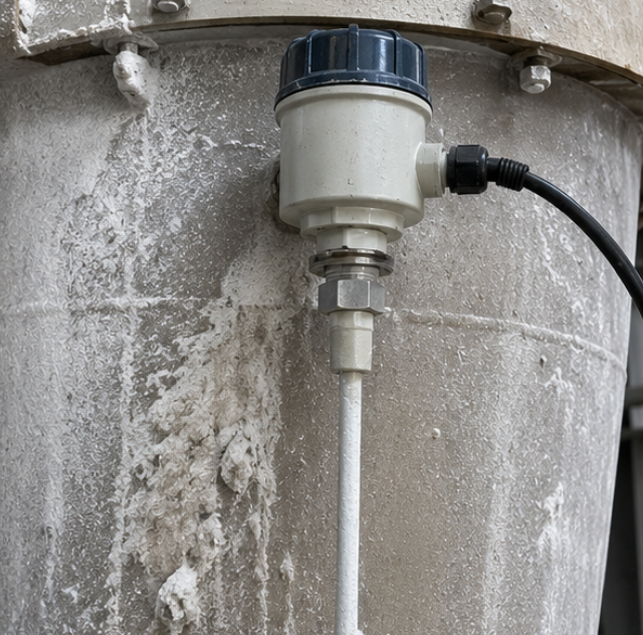
How RF Admittance Level Switches Work

Rotary Paddle vs RF Admittance Comparison
Comparison Item Rotary Paddle RF Admittance Best Application Dry powders and bulk solids Sticky and buildup-prone materials Dust Resistance Good Excellent Buildup Resistance Moderate Excellent Maintenance Frequency Medium Low Initial Cost Lower Higher Downtime Reduction Good in standard powders Excellent in difficult powders When Should Buyers Choose Rotary Paddle?
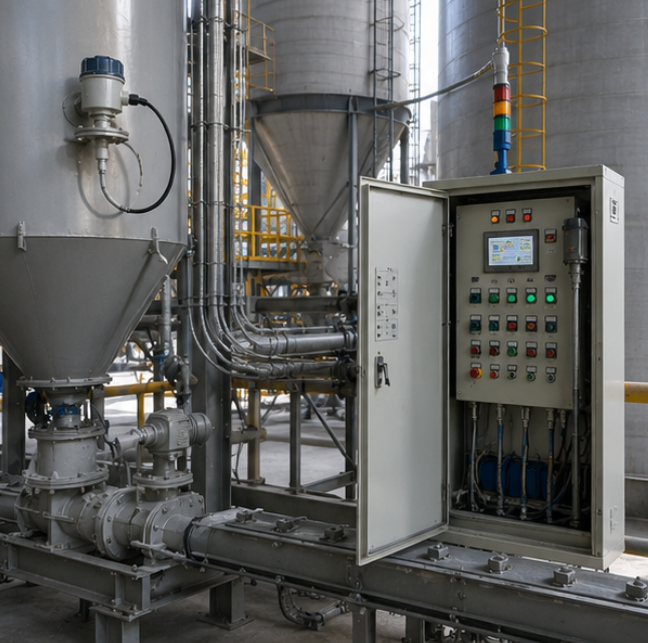
When Should Buyers Choose RF Admittance?
Buyer Selection Checklist
Final Recommendation
Need Help Choosing Between Rotary Paddle And RF Admittance?