
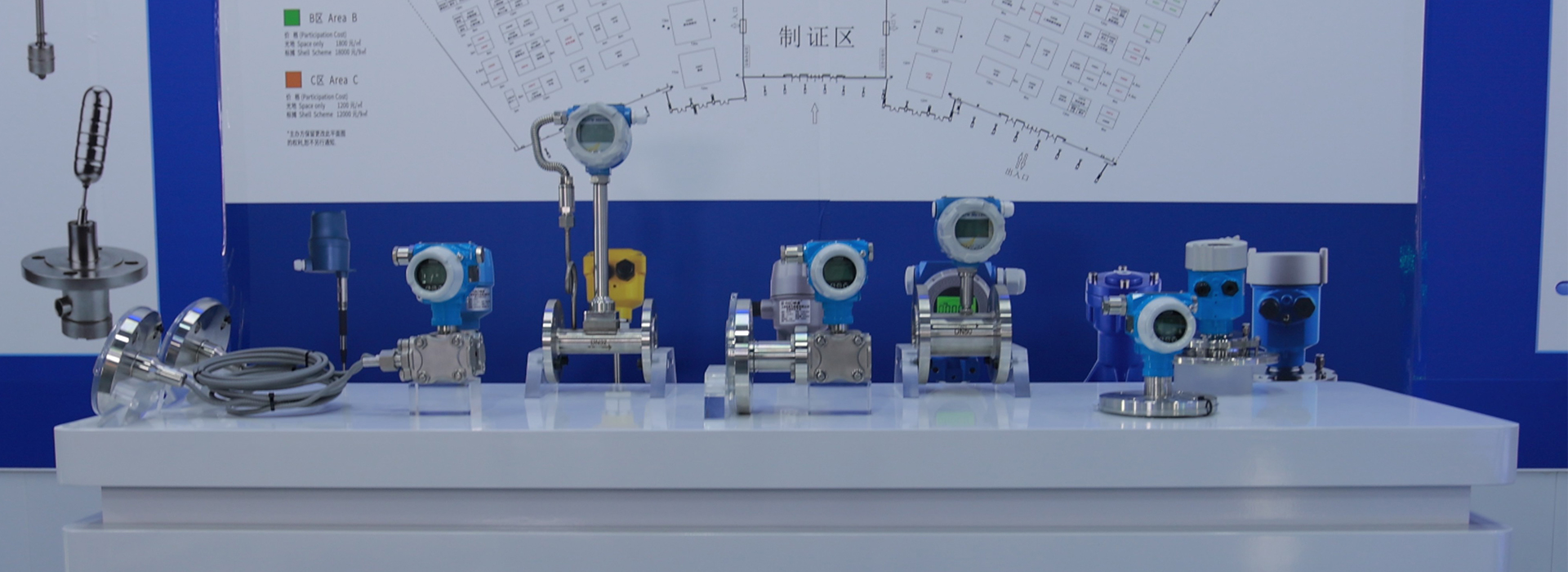
Industrial Sensors Are Becoming More Important
As manufacturing continues to move toward automation and intelligent control, industrial sensors are playing a more important role in daily operations. They provide the data needed for monitoring, protection, and process adjustment, helping factories improve efficiency, stability, and safety.
Real-Time Monitoring Supports Better Decisions
Modern production systems depend on real-time information. Sensors monitor key variables such as level, pressure, temperature, and flow, allowing operators to identify changes quickly and respond before small issues become larger problems. This supports better control and more consistent production results.
Sensors Help Automation Systems Operate Efficiently
In automated environments, sensors are essential to system logic and machine response. A level switch can prevent overflow, a pressure transmitter can protect equipment, and a flow switch can detect abnormal conditions in a pipeline. These functions help machines and control systems operate more reliably.
Better Monitoring Improves Maintenance Efficiency
Industrial sensors also support preventive maintenance. By providing stable monitoring data, they help operators identify unusual trends early and reduce the risk of sudden failure. This improves maintenance planning and helps avoid costly downtime.
Smart Manufacturing Creates New Demand
As industries pursue smarter production, the demand for reliable and adaptable sensors continues to grow. Customers are looking for products with stable performance, strong anti-interference capability, and long-term reliability in real industrial environments. This makes industrial sensing technology an increasingly important part of modern manufacturing.
Conclusion
Industrial sensors are now essential components in smart manufacturing. By supporting real-time monitoring, automation, process control, and maintenance planning, they continue to create value across a wide range of industries.