

Top Maintenance Practices To Prevent False Alarms In Flour Silos
Flour silos are prone to false alarms caused by dust, buildup, moisture, and vibration. Proper maintenance is critical to ensure accurate level detection and minimize production interruptions. This guide highlights key maintenance practices to prevent unnecessary shutdowns in flour handling facilities.
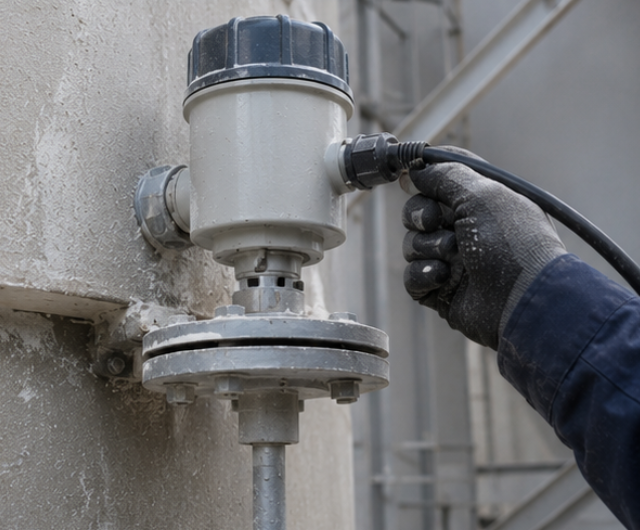
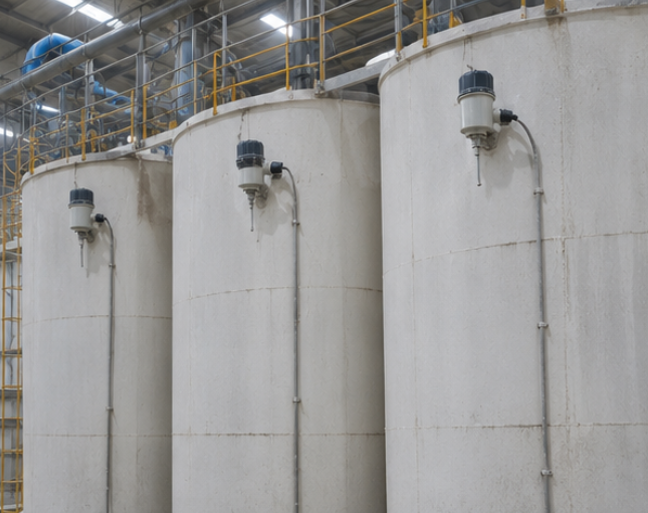
Get QuoteFlour dust is fine, lightweight, and can easily coat sensors, causing mechanical obstruction or signal misreadings. Moisture or high humidity further increases adhesion and buildup on level switches. Vibrations from conveying equipment can also trigger false signals if the sensor is improperly mounted. Dust accumulation is the primary cause of false alarms. Maintenance teams should regularly clean sensor surfaces, including paddles, forks, and RF probes. Use dry brushes or compressed air for dust removal. Avoid abrasive cleaning that can damage sensor components. Check and clean cable glands and housing openings. Incorrectly positioned sensors are prone to false activation. Sensors should be mounted away from direct material impact and excessive vibration zones. Install high-level alarms near the maximum safe level, away from filling points. Low-level sensors should be placed above the discharge zone but not in turbulent areas. Check alignment to ensure paddles or forks can move freely without obstruction. Humidity, temperature changes, and air currents in the silo can affect sensor readings. Regularly monitor environmental conditions to prevent condensation and excessive dust accumulation. Check for moisture on silo walls and sensor surfaces. Maintain proper ventilation to reduce airborne flour dust. Adjust cleaning schedules according to humidity and dust levels. Routine testing ensures level switches operate correctly. Simulate high and low-level conditions to verify signals. Calibration helps adjust sensitivity for fine flour powders. Perform signal tests monthly or according to usage. Verify relay, PNP/NPN output, or PLC signal integration. Adjust sensitivity settings for dust or moisture buildup conditions. Send us your silo details, sensor types, and environmental conditions. Shao Level can provide maintenance guidelines and recommend reliable level switch solutions.Why Flour Silos Are Susceptible To False Alarms
1. Regular Cleaning Of Sensors

2. Inspect Mounting Position And Alignment
3. Monitor Environmental Conditions
4. Test And Calibrate Sensors Regularly
Need Help Reducing False Alarms In Flour Silos?