
Top Mistakes Buyers Make When Choosing Level Switches From China
China is one of the world's largest suppliers of industrial level switches, offering many choices for powder silos, tanks, hoppers and automation systems. However, buyers often focus only on price and overlook important technical details, leading to false alarms, unstable performance and installation problems.
Get Quote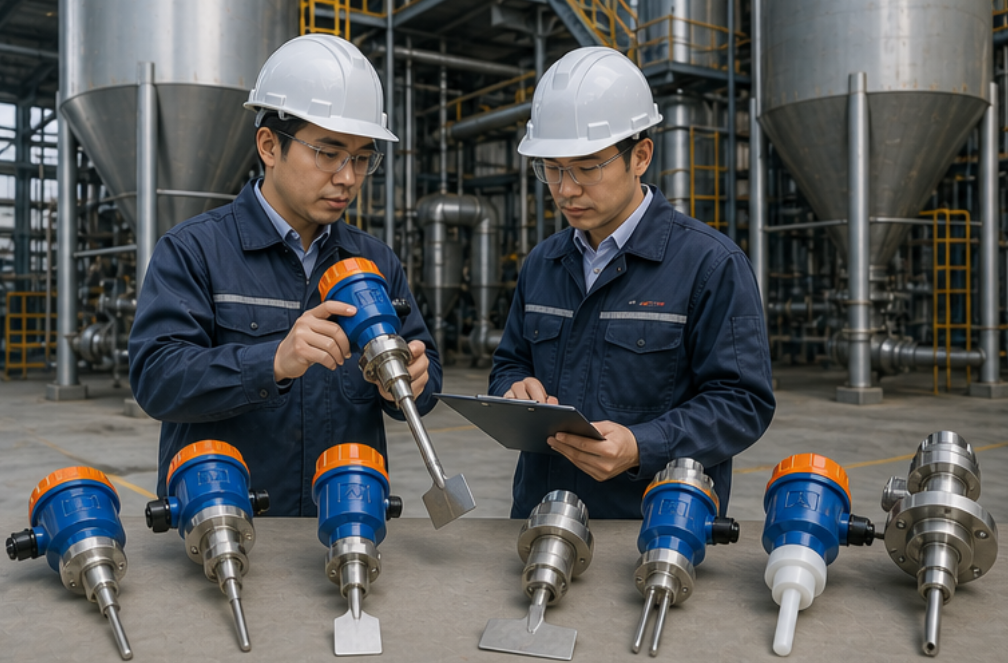
Why Wrong Selection Creates Bigger Costs
A level switch is usually a small part of an industrial project, but it directly affects automation reliability, safety and production continuity. A cheap but unsuitable sensor may create false signals, material overflow, empty running, unnecessary downtime or maintenance costs.
Many procurement problems happen not because the product is made in China, but because buyers do not provide enough technical information before ordering.
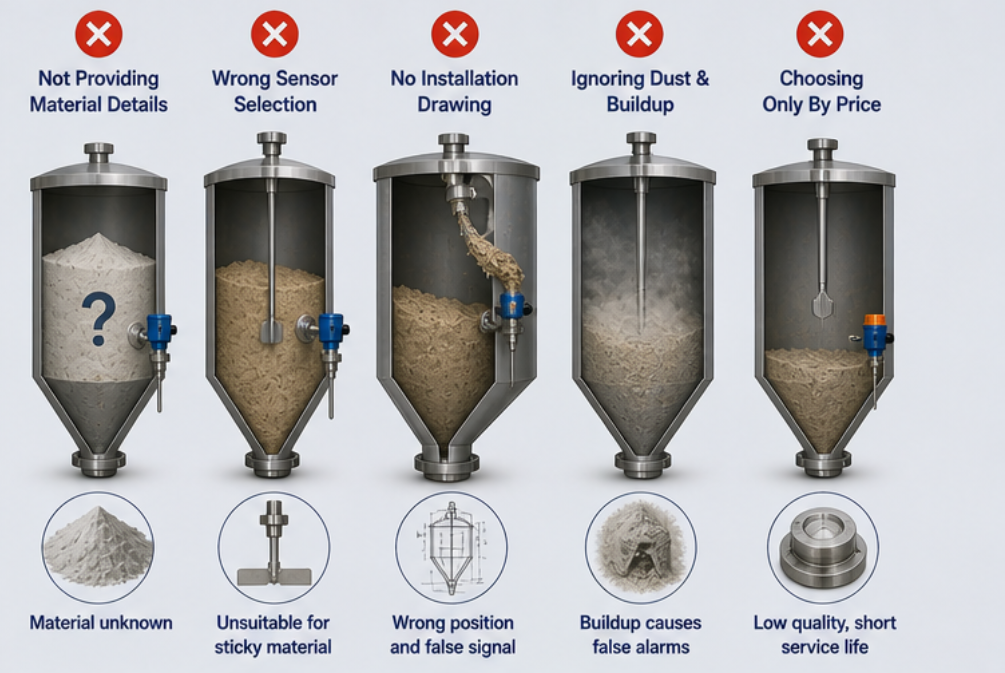
1. Choosing Only By Price
The most common mistake is comparing only unit price without understanding application suitability. A low-cost rotary paddle level switch may work well for dry plastic granules, but fail quickly in sticky flour or dusty cement powder applications.
Buyers should compare not only price, but also sealing quality, housing structure, sensor stability, material compatibility and expected service life.
2. Not Providing Material Details
Suppliers cannot recommend the correct level switch if the buyer only says “powder” or “liquid.” Different materials behave differently inside tanks and silos.
| Missing Information | Possible Result |
|---|---|
| No bulk density information | Sensor may not trigger correctly |
| No buildup or dust information | False alarms and unstable signals |
| No temperature or pressure details | Wrong housing or sealing selection |
| No installation drawing | Connection mismatch or installation failure |
3. Ignoring Installation Conditions
Some buyers only focus on sensor type and ignore the installation environment. In reality, installation position often determines whether the level switch works reliably.
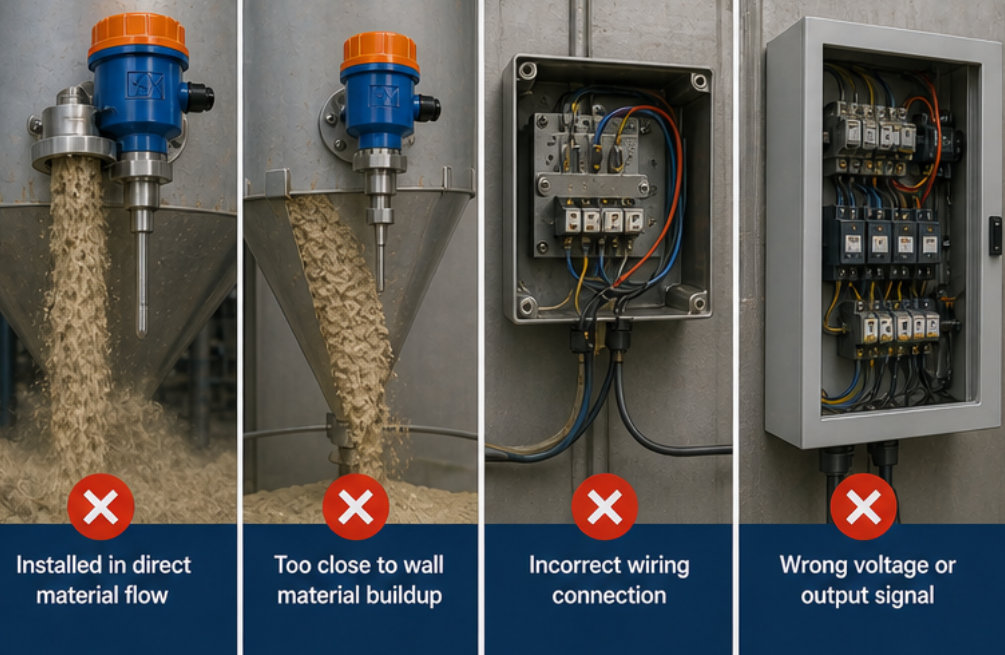
Installing the sensor directly under the filling stream may create impact damage or false alarms. Installing near heavy turbulence or dead zones may create unstable detection.
4. Not Confirming Electrical Compatibility
Buyers sometimes forget to confirm voltage, output signal or control cabinet compatibility before ordering.
AC or DC power supply
Relay, PNP or NPN output
Cable entry size
Explosion-proof cable gland requirement
PLC or automation system compatibility
Incorrect electrical configuration may require rewiring, additional adapters or product replacement.
5. Ignoring Dust, Buildup And Explosion-Proof Requirements
Dusty or hazardous industrial environments require special attention. Cement plants, flour mills, fly ash silos and chemical powder systems may require explosion proof models or better anti-buildup performance.
Some buyers use standard level switches in difficult environments without confirming sealing quality, protection level or certification requirements. This increases maintenance risk and safety concerns.
6. Ordering Without Testing Or Technical Discussion
For difficult materials or customized projects, buyers should communicate with the supplier before placing a large order. Photos, videos or application drawings can help improve model selection accuracy.
For OEM projects or large automation systems, sample testing or technical confirmation can reduce procurement risk and avoid repeated replacement costs later.
How To Reduce Procurement Risk
Provide complete material and process information before quotation.
Confirm tank or silo drawings and installation position.
Check dust, buildup and explosion-proof requirements.
Confirm voltage, output signal and connection size.
Discuss difficult applications before mass order.
Do not choose only by the lowest price.
Request photos, technical drawings or test reports if needed.
What Buyers Should Send Before Quotation
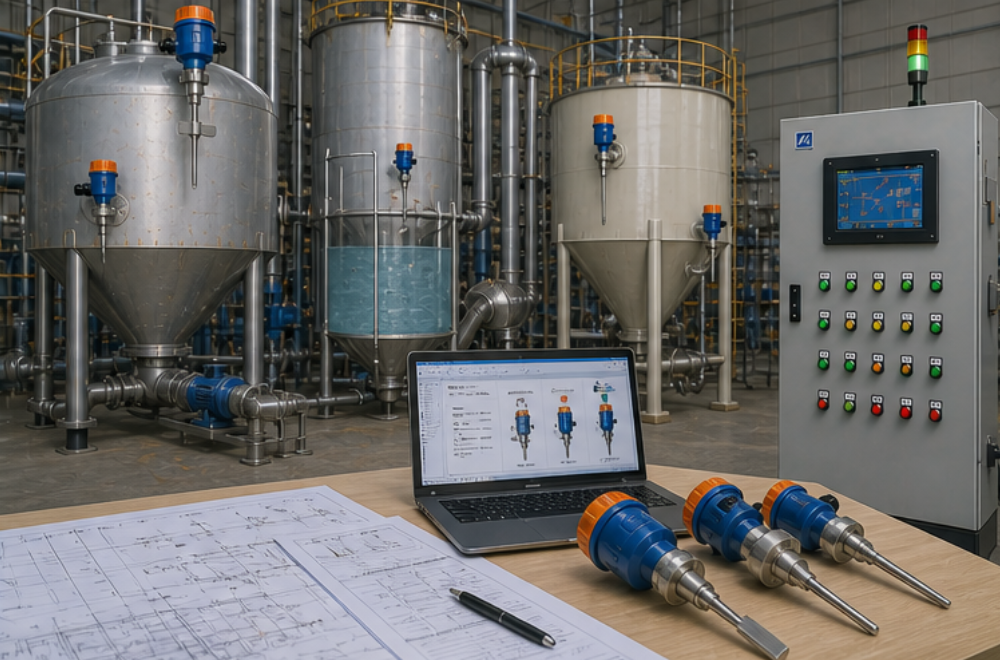
To receive a more accurate quotation and model recommendation, buyers should provide material name, bulk density, dust condition, tank or silo size, installation position, temperature, pressure, process connection, power supply, output signal and application photos if available.
This information helps suppliers recommend a more suitable level switch and reduces the risk of false alarms or installation mismatch.
Final Recommendation
Buying level switches from China can provide strong cost-performance advantages, but buyers should focus on application suitability instead of only comparing prices. The correct selection depends on material condition, installation environment and system compatibility.
Shao Level provides rotary paddle level switches, vibrating fork level switches, RF admittance level switches, capacitance level switches and other industrial level measurement products for tanks, silos and automation systems worldwide.
Need Help Choosing The Right Level Switch?
Send us your material details, installation conditions and technical requirements. Shao Level can help recommend a more reliable and suitable level switch solution.
Contact Us / Get Quote