
Capacitance Level Switch Buying Guide For Industrial Tanks
Capacitance level switches are widely used for point level detection in industrial tanks, liquid vessels, powder bins and process systems. To choose the right model, buyers should confirm the medium type, dielectric property, tank structure, installation position, buildup risk and electrical requirements.
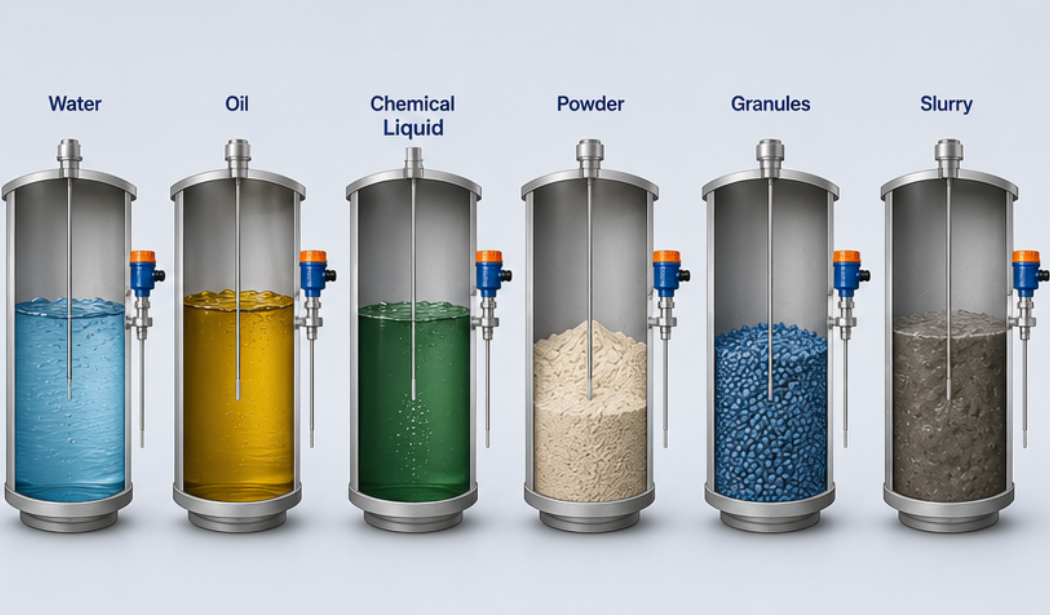
Get QuoteA capacitance level switch detects material level by measuring the change in capacitance between the probe and the tank wall. When liquid, powder or granular material reaches the probe, the electrical condition changes and the switch outputs a signal. It is commonly used for industrial tanks, storage vessels, process containers, powder bins and automation systems. Compared with mechanical switches, it has no moving paddle or float, making it suitable for many compact and general-purpose level detection applications. The first step is to confirm what material the tank stores. Capacitance level switches can be used for many liquids and solids, but the medium property directly affects detection reliability. Clean liquids: water, oil, chemical liquid and process fluid. Powders: flour, cement powder, chemical powder and food powder. Granules: plastic pellets, feed, grains and bulk solids. Sticky media: may require special probe design or RF admittance technology. Corrosive media: requires suitable probe material and coating. Capacitance level switches rely on the dielectric difference between air and the measured material. Materials with stronger dielectric changes are easier to detect. Low dielectric materials may require higher sensitivity or a more suitable probe design. Buyers do not always need to provide exact dielectric constants, but they should clearly describe the material name, concentration, density, moisture and whether the medium is stable or changing during production. Probe selection is important for tank compatibility and long-term performance. The probe type should match the tank size, installation depth, medium condition and cleaning requirement. Capacitance level switches perform best in relatively stable applications. If the tank has heavy foam, sticky coating, strong turbulence or material buildup on the probe, false signals may occur. For sticky or coating materials, buyers should compare RF admittance level switches because they are designed to reduce the influence of probe buildup. For foamy liquid tanks, the installation position should avoid foam accumulation areas whenever possible. Before ordering, buyers should confirm the tank connection and control system requirements. A technically suitable level switch may still fail if the connection size or electrical output does not match the site. Thread or flange process connection Side mounting or top mounting Tank wall thickness and available installation space AC or DC power supply Relay, PNP, NPN or other output signal Explosion-proof or corrosion-resistant requirement Confirm medium name, type and condition. Check whether the medium is liquid, powder or granule. Confirm dielectric property or material behavior if possible. Choose suitable probe type, length and material. Avoid heavy buildup, foam and turbulence areas. Confirm tank size, mounting position and process connection. Match power supply and output signal with the control system. Check temperature, pressure and hazardous area requirements. To recommend the right capacitance level switch, buyers should provide medium name, density or viscosity, tank size, installation position, working temperature, pressure, process connection, power supply and output signal. If the medium is sticky, corrosive, foamy or conductive, photos or technical details should be provided before quotation. This helps avoid wrong probe selection and improves long-term reliability. A capacitance level switch is a flexible and practical solution for many industrial tank applications. It can detect liquids, powders and granular materials, but correct model selection depends on medium property, probe design, installation position and control system compatibility. Shao Level provides capacitance level switches, RF admittance level switches, vibrating fork level switches, rotary paddle level switches and other industrial level measurement products for tanks, silos, hoppers and automation systems. Send us your medium type, tank size, installation position and control requirements. Shao Level can help recommend a suitable capacitance level switch solution.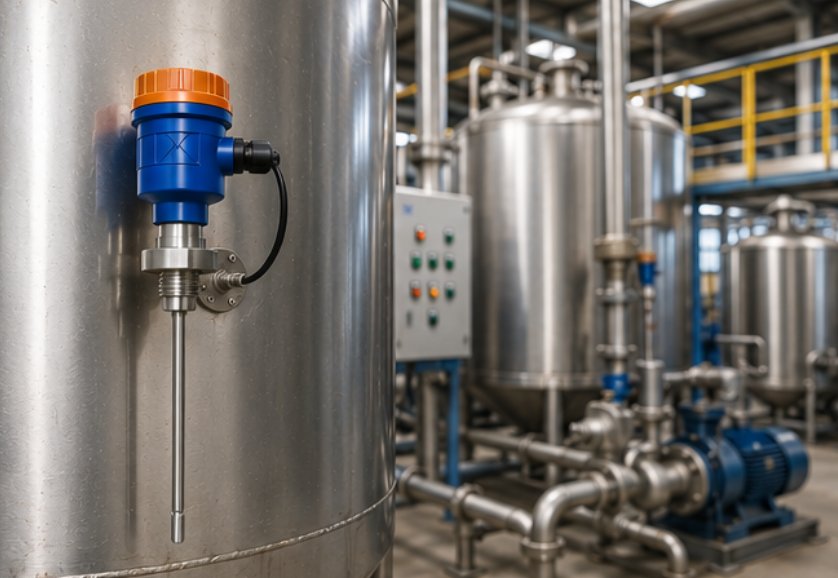
What Is A Capacitance Level Switch?
1. Confirm The Medium Before Buying
2. Check Dielectric Property And Sensitivity
3. Choose The Right Probe Type And Length
Probe Type Suitable Application Selection Note Rod Probe General tanks and vessels Common choice for many industrial applications Cable Probe Deep tanks or tall vessels Useful when longer detection depth is needed Coated Probe Corrosive or conductive media Protects the probe and improves application suitability Short Probe Compact tanks or small vessels Suitable for limited installation space 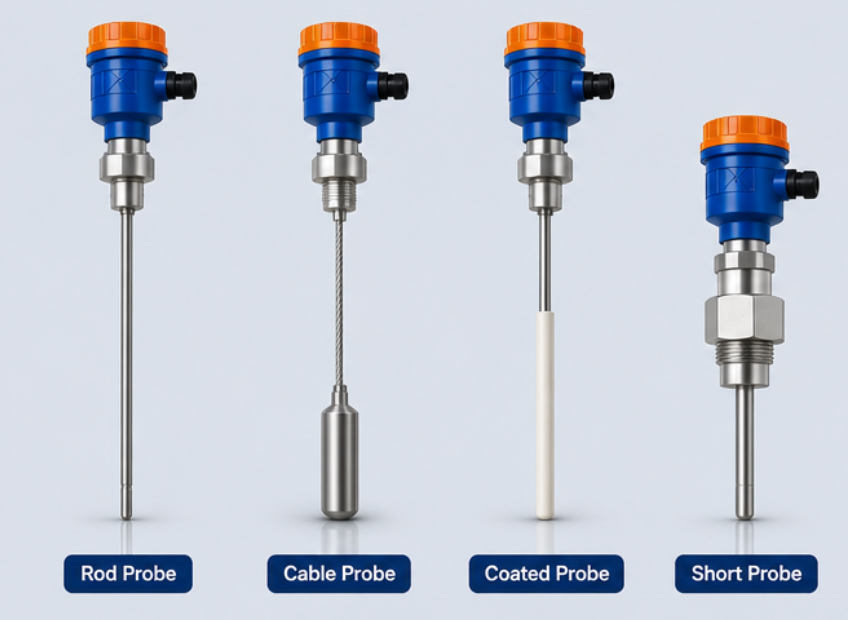
4. Avoid Buildup, Foam And Turbulence Problems
5. Confirm Installation And Electrical Requirements
Capacitance Level Switch Buying Checklist
What Buyers Should Provide Before Quotation
Final Recommendation
Need A Capacitance Level Switch For Industrial Tanks?