
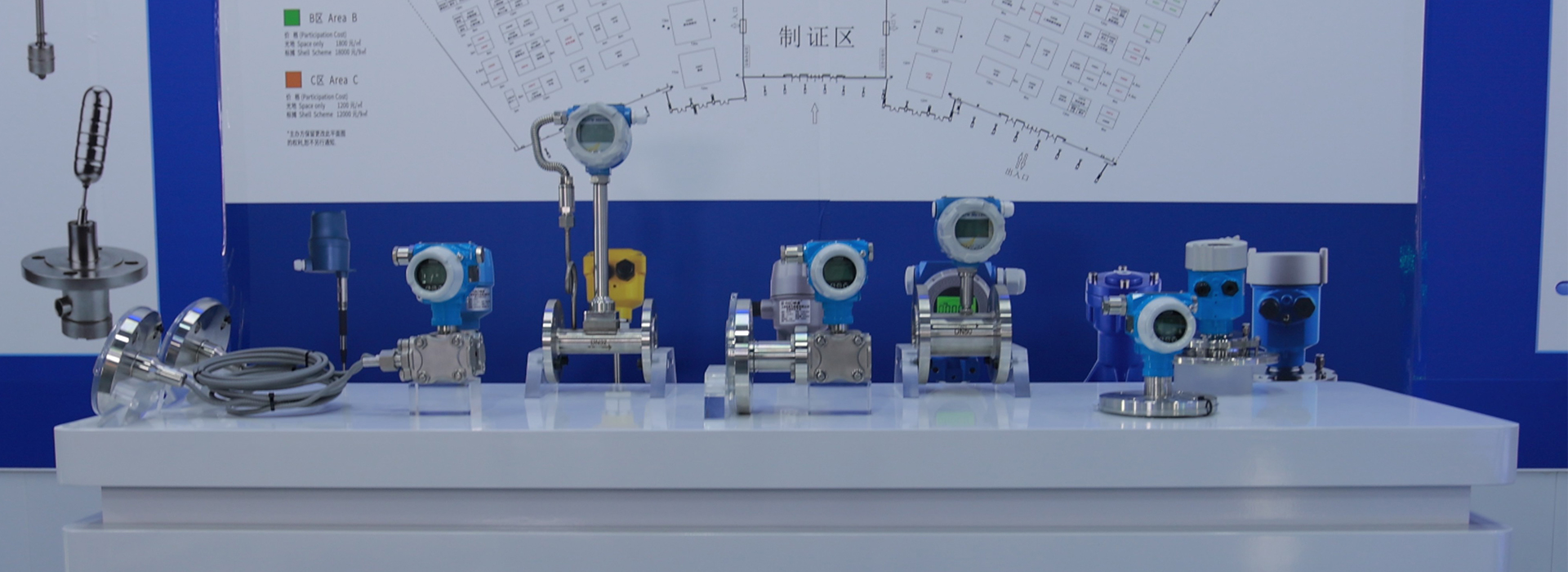
How To Choose A Float Level Switch For Liquid Tanks
Float level switches are commonly used for point level detection in water tanks, oil tanks, chemical tanks and industrial liquid storage systems. To choose the right model, buyers should confirm the liquid type, tank structure, installation position, float material, temperature, pressure and electrical output requirements.
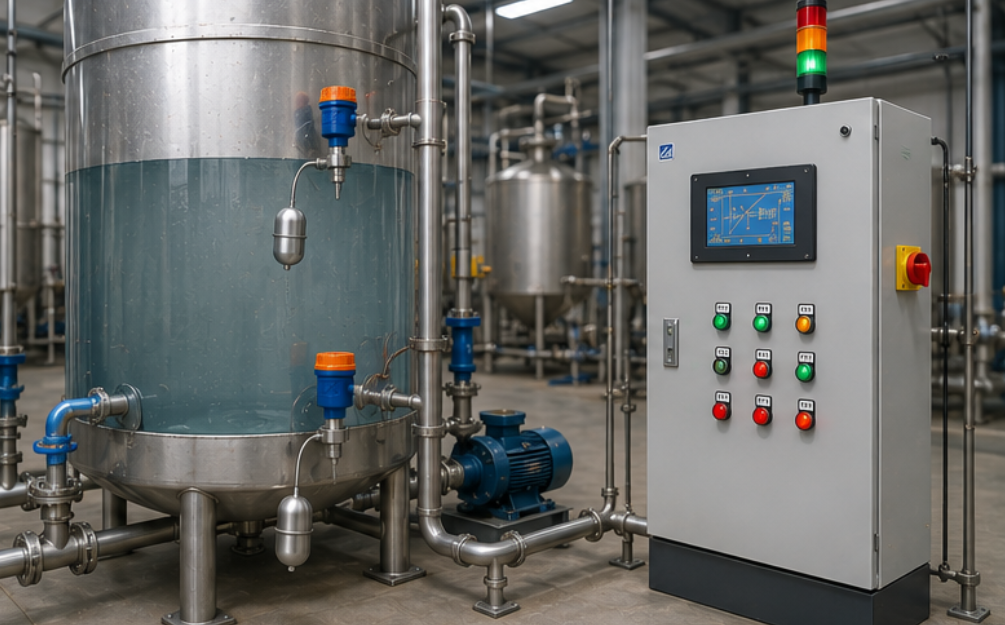
Get QuoteA float level switch uses a floating element that rises or falls with the liquid level. When the liquid reaches a defined point, the float changes position and triggers a switching signal. This signal can be used for high-level alarm, low-level alarm, pump protection or automatic liquid control. Float level switches are simple, cost-effective and widely used in clean liquid applications. They are especially suitable for water tanks, oil tanks, cooling systems, wastewater tanks and many general industrial liquid storage systems. Different liquids require different float materials and switch structures. Buyers should confirm whether the liquid is clean, dirty, oily, corrosive, viscous or easy to crystallize. Water: suitable for many standard float level switches. Oil: requires material compatibility and proper float density. Chemical liquid: may require stainless steel or special anti-corrosion material. Wastewater: needs consideration of dirt, particles and clogging risk. Viscous liquid: may affect float movement and switching reliability. Float material directly affects service life and safety. The material must be compatible with the liquid and working environment. For clean water, plastic or stainless steel float switches may be used. For chemical liquids, buyers should confirm corrosion resistance carefully. Float level switches can be installed from the side, top or bottom depending on tank structure and control purpose. For high-level alarm, the switch should be installed near the upper control point. For low-level alarm or pump protection, it should be installed near the lower liquid level. Avoid installing the float in areas with strong turbulence, heavy foam, inlet impact or pump suction. The float must move freely without being blocked by tank walls, pipes, mixers or sediment. Liquid tank conditions affect float switch selection. High temperature may damage plastic floats or seals. High pressure may require stronger structure and suitable process connection. Corrosive liquid may require special material. Buyers should also check whether the liquid has foam, sediment, particles, crystallization or strong agitation. These conditions may affect float movement and cause unstable signals. Confirm liquid name, density, viscosity and corrosion condition. Choose suitable float material for the liquid. Confirm high-level alarm, low-level alarm or pump protection purpose. Check side mounting, top mounting or bottom mounting requirement. Avoid turbulence, foam, inlet impact and pump suction areas. Confirm temperature, pressure and tank connection size. Match power supply and output signal with the control system. Provide tank drawings or installation photos if available. To recommend the right float level switch, buyers should provide liquid name, liquid density, viscosity, temperature, pressure, tank size, installation position, high-level or low-level purpose, process connection, power supply and output signal. If the liquid is corrosive, dirty, foamy or viscous, buyers should provide detailed working conditions before quotation to avoid wrong material selection and unstable operation. A float level switch is a practical and economical solution for many liquid tank applications. However, the correct model depends on liquid type, float material, installation position, tank structure and control system compatibility. Shao Level provides float level switches, capacitance level switches, vibrating fork level switches, RF admittance level switches and other industrial level measurement products for liquid tanks, process vessels and automation systems. Send us your liquid type, tank size, installation position and control requirements. Shao Level can help recommend a suitable float level switch solution.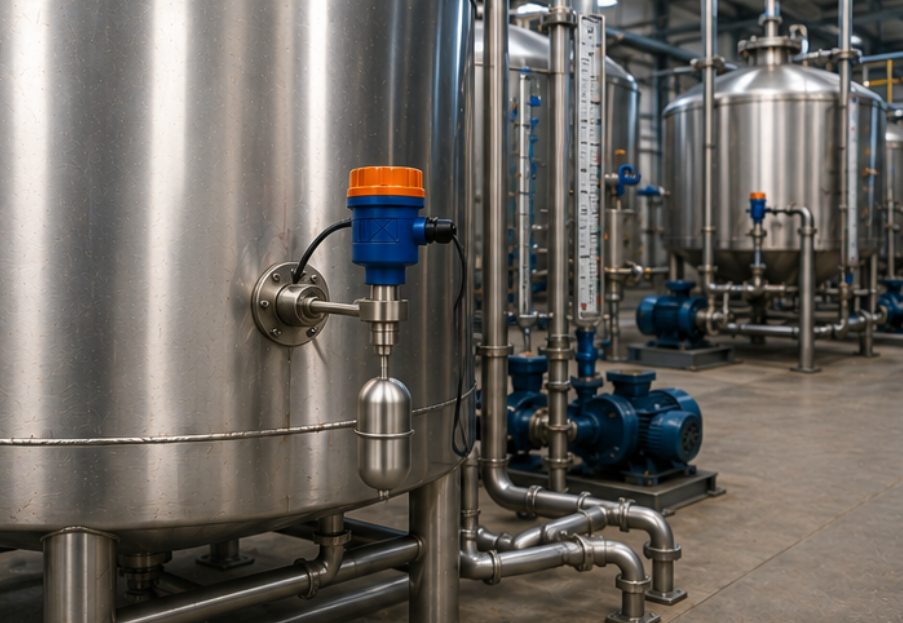
What Is A Float Level Switch?
1. Confirm The Liquid Type Before Buying
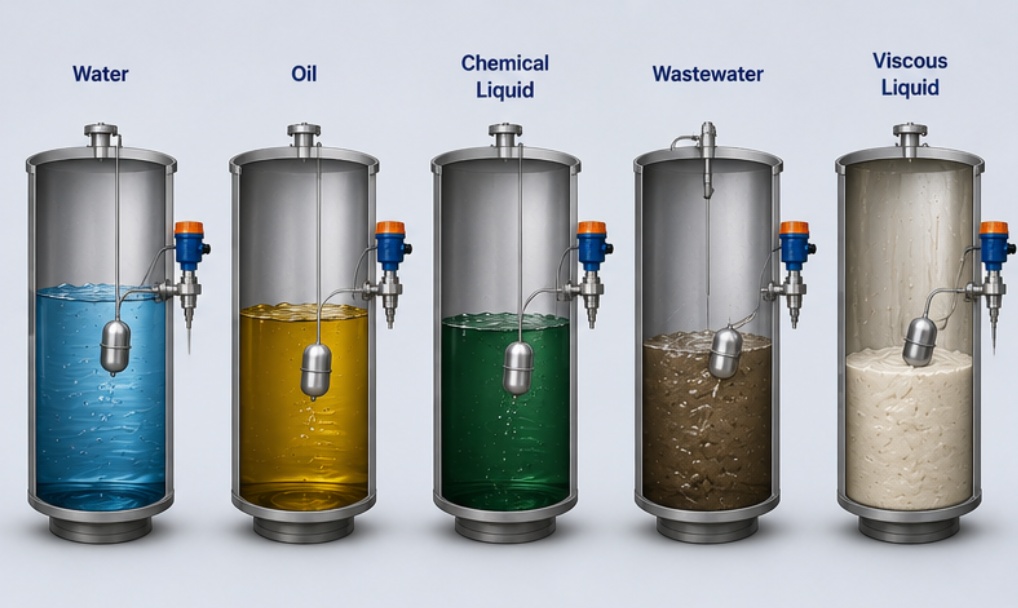
2. Choose The Right Float Material
Float Material Suitable Application Selection Note Plastic Float Clean water and general low-cost applications Check temperature and chemical compatibility Stainless Steel Float Oil, water, industrial liquids and higher durability applications Better strength and wider industrial use Anti-Corrosion Float Chemical tanks and corrosive liquids Confirm liquid composition before ordering 3. Select The Correct Installation Position
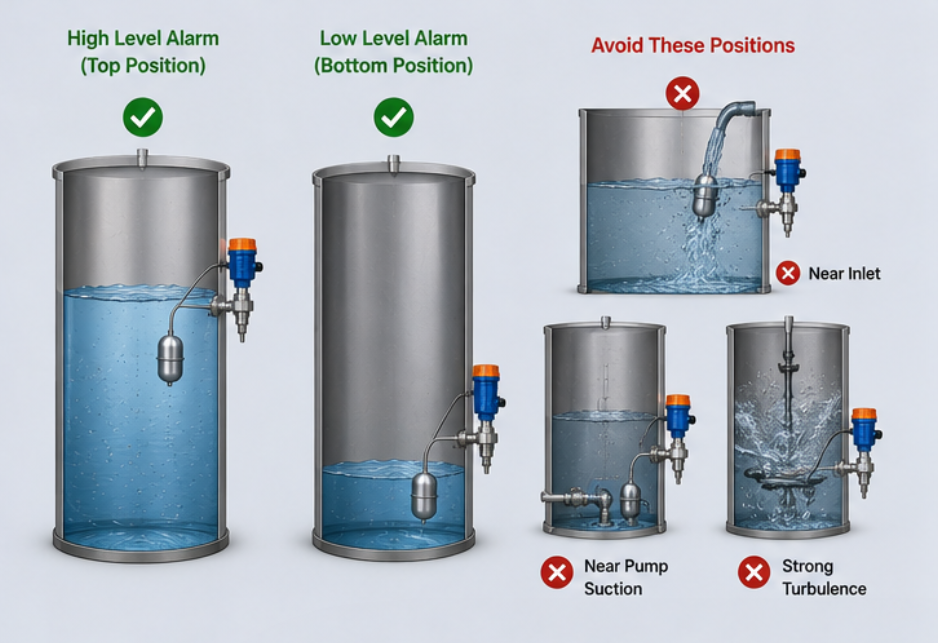
4. Check Temperature, Pressure And Tank Conditions
Float Level Switch Buying Checklist
What Buyers Should Provide Before Quotation
Final Recommendation
Need A Float Level Switch For Liquid Tanks?