
How To Choose A Level Switch For Feed And Grain Silos
Feed and grain silos require stable level detection to prevent overflow, empty running, feeding interruption and material storage problems. Choosing the right level switch depends on grain type, feed form, bulk density, dust, flowability, silo structure and installation position.
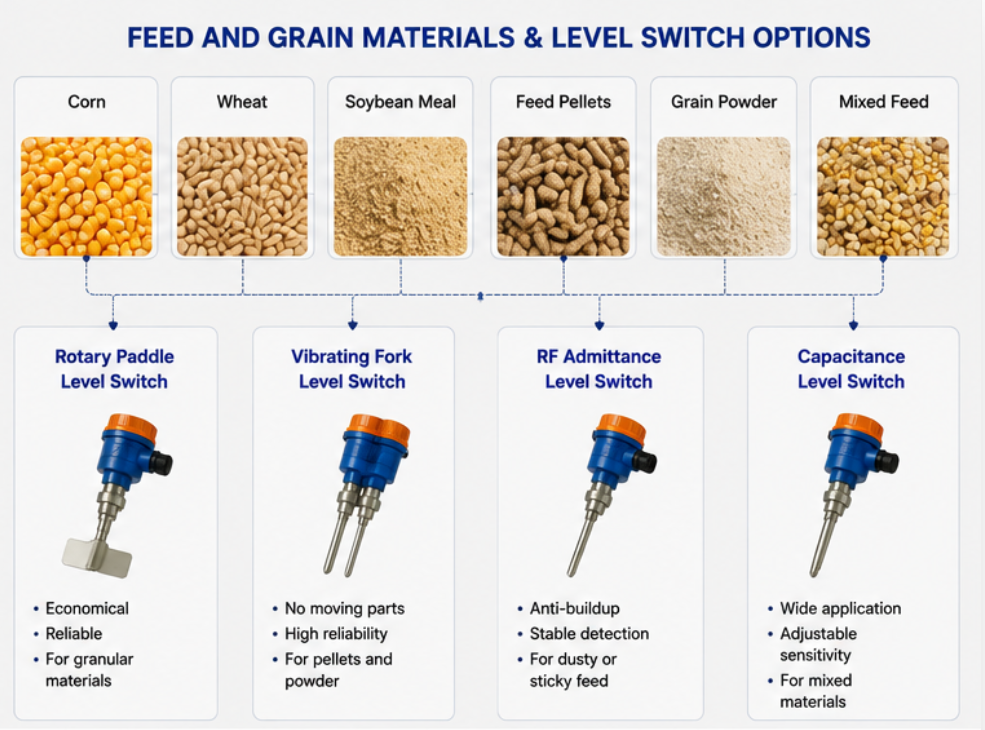
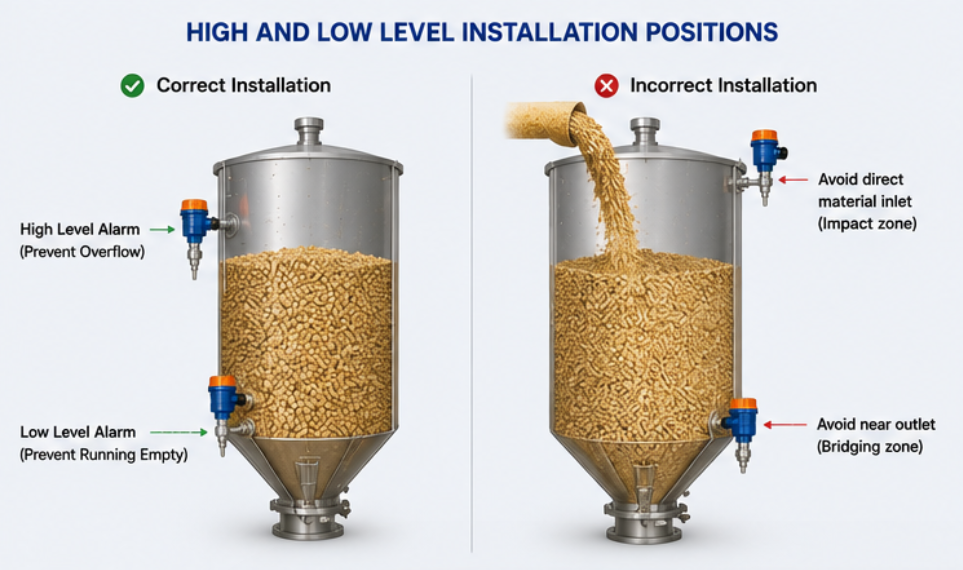
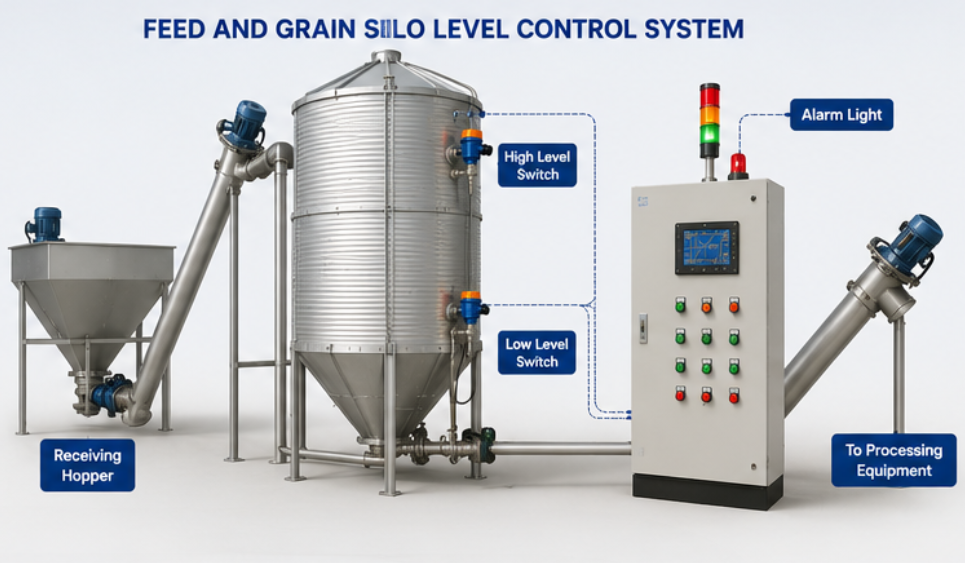
Get QuoteFeed and grain materials are widely used in storage, conveying, batching and processing systems. Materials such as corn, wheat, soybean meal, animal feed pellets, grain powder and mixed feed may have different flowability, density and dust levels. A suitable level switch helps operators know when the silo is full, when material is running low, and when feeding equipment should start or stop. Poor level detection may cause silo overflow, material shortage, production interruption or unnecessary manual inspection. The first step is to confirm the material stored in the silo. Different feed and grain materials may require different level switch technologies. Whole grains: corn, wheat, rice, soybean and similar granular materials. Feed pellets: usually flow well but may create impact during filling. Powder feed: may be dusty and may create buildup in humid conditions. Mixed feed: may have uneven particle size and different flow behavior. Low-density materials: may require more sensitive detection. Feed and grain silos usually need reliable high-level and low-level detection. The most suitable level switch depends on whether the material is granular, powdered, dusty or easy to bridge. For feed and grain silos, installation position has a direct impact on detection reliability. High-level switches should be installed near the upper control point to prevent overflow. Low-level switches should be installed near the lower control point to avoid empty running or feeding interruption. Avoid installing the level switch directly under the material inlet. Falling grains or feed pellets may hit the sensor and cause false signals or mechanical damage. The switch should also be kept away from areas where material bridging or wall buildup is likely. Grain and feed storage systems may produce dust during conveying or filling. Powder feed and soybean meal may create buildup when humidity is high. Some materials may bridge inside the silo and prevent smooth discharge. For dry and free-flowing grains, rotary paddle or vibrating fork level switches are usually practical. For dusty or humid feed powder, RF admittance level switches may be considered to reduce false alarms caused by buildup or coating. Confirm grain type, feed form and particle size. Check bulk density, flowability, dust and humidity. Confirm high-level alarm, low-level alarm or feeding control purpose. Avoid direct material inlet and impact zones. Choose suitable rotary paddle, vibrating fork or RF admittance type. Confirm process connection, voltage and output signal. Check whether explosion-proof protection is required for dusty areas. Provide silo drawings or installation photos before quotation. To recommend the right level switch for feed and grain silos, buyers should provide material name, particle size, bulk density, dust condition, humidity, silo size, installation position, high-level or low-level purpose, feeding method, power supply, output signal and process connection. For feed mills, grain storage facilities and silo system manufacturers, drawings or site photos can help improve model selection accuracy and reduce installation risk. For most feed and grain silo applications, rotary paddle level switches are economical and widely used. Vibrating fork level switches are suitable for compact bins and low-wear applications. RF admittance level switches are better for dusty, humid or buildup-prone feed powder. Shao Level provides rotary paddle level switches, vibrating fork level switches, RF admittance level switches, capacitance level switches and other industrial level measurement products for feed silos, grain storage systems and bulk material handling equipment. Send us your feed or grain material type, silo size and control requirements. Shao Level can help recommend a suitable level switch solution.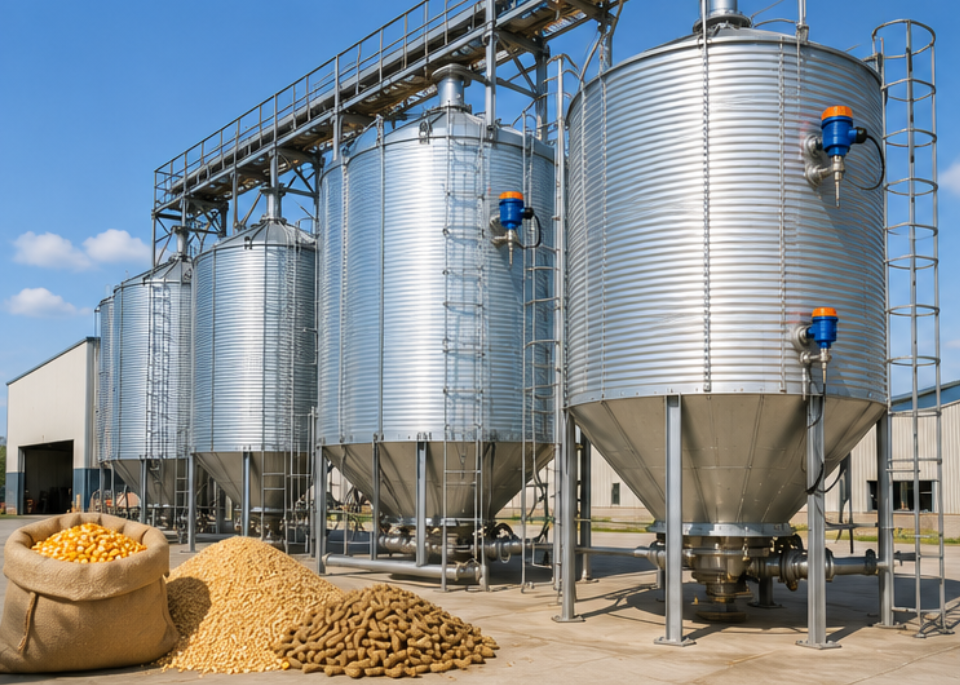
Why Feed And Grain Silo Level Detection Matters
1. Confirm The Feed Or Grain Material
2. Choose The Right Level Switch Type
Level Switch Type Suitable Feed And Grain Application Main Advantage Rotary Paddle Level Switch Grain silos, feed pellets, bulk solids Economical and widely used for high/low alarms Vibrating Fork Level Switch Compact bins, feed hoppers, powder feed No rotating parts and stable point detection RF Admittance Level Switch Dusty, humid or buildup-prone feed powder Better resistance to buildup and false signals Capacitance Level Switch General granular or powder materials Flexible for multiple material conditions 3. Select The Correct Installation Position
4. Consider Dust, Humidity And Bridging
Feed And Grain Silo Level Switch Checklist
What Buyers Should Provide Before Quotation
Final Recommendation
Need A Level Switch For Feed Or Grain Silos?