
How To Choose A Vibrating Fork Level Switch For Powder Hoppers
A vibrating fork level switch is widely used for point level detection in powder hoppers, storage bins and bulk material handling systems. To choose the right model, buyers should confirm powder density, particle size, dust level, buildup risk, installation position and control system requirements.
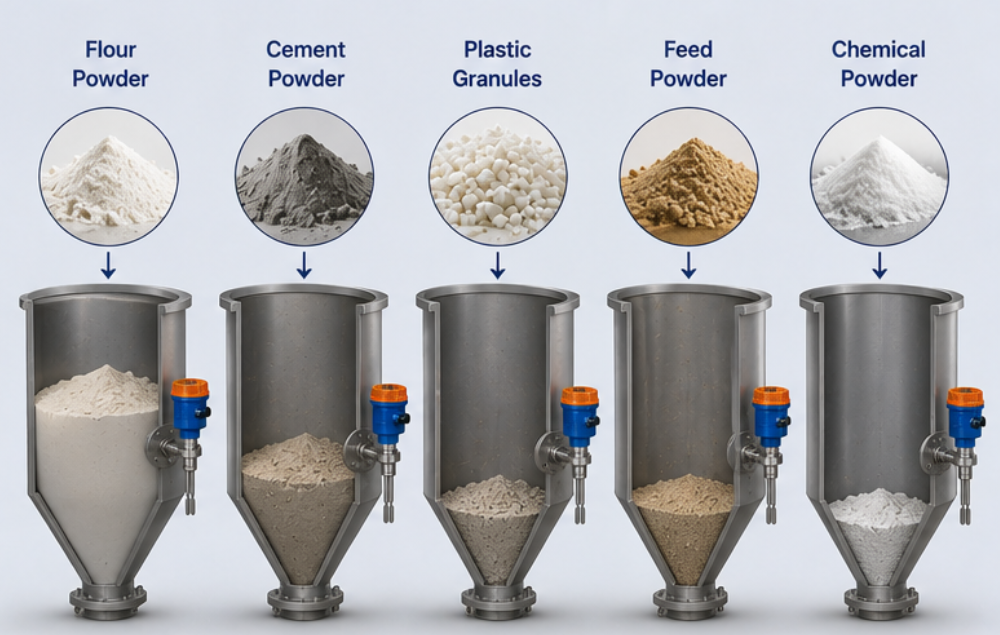
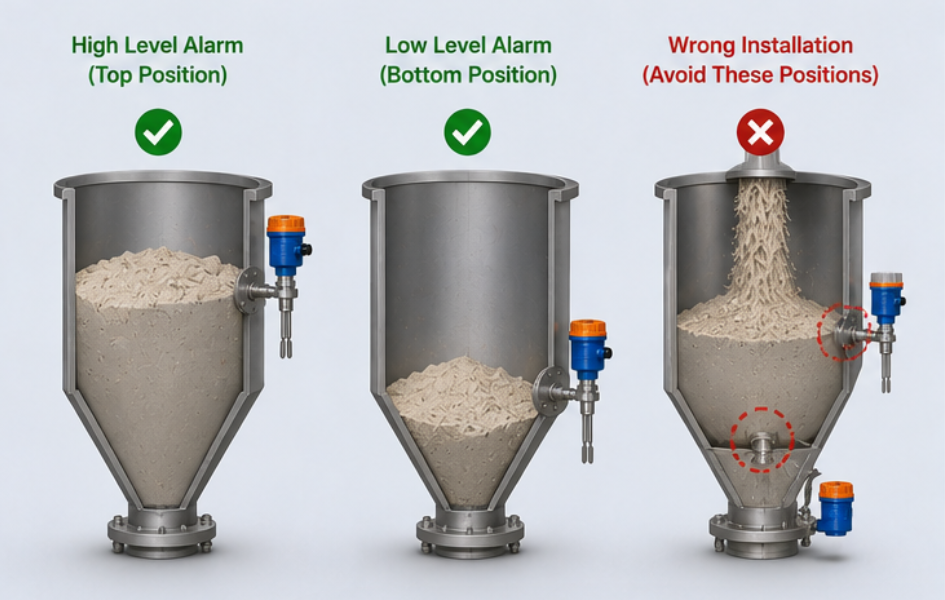
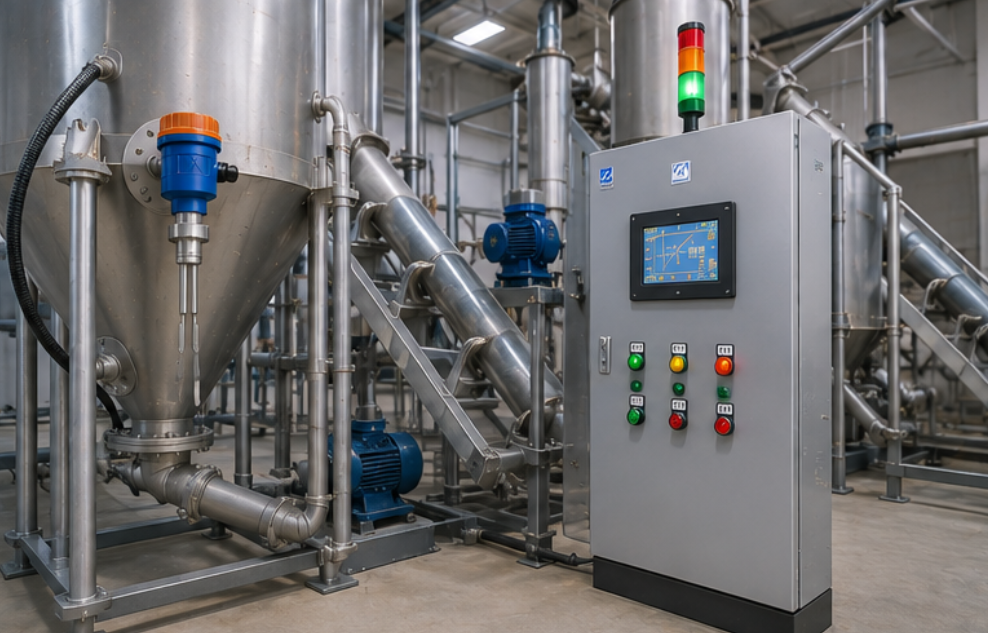
Get QuoteA vibrating fork level switch uses a fork-shaped probe that vibrates at a fixed frequency. When powder or bulk solids cover the fork, the vibration changes, and the device outputs a switching signal to the control system. Compared with rotary paddle level switches, vibrating fork level switches have no rotating paddle in contact with the material. This makes them suitable for compact powder hoppers, small storage bins, feeding systems and automation equipment where stable point level detection is required. Different powders behave differently inside hoppers. Some powders are light and fluffy, some are dusty, and some may become sticky when moisture is present. Before selecting a vibrating fork level switch, buyers should confirm the basic powder conditions. Bulk density: low-density powder may require higher sensitivity. Particle size: fine powder and granules may need different fork designs. Dust level: heavy dust requires good sealing and stable signal processing. Moisture: humid powder may cause buildup on the fork. Flowability: poor-flowing powder may create bridging or dead zones. The fork is the part that directly contacts the powder. Its length, structure and material should match the hopper size and powder characteristics. For compact powder hoppers, a short fork design may be easier to install. For deeper or larger hoppers, the fork length should be selected according to the actual detection point. Installation position is critical for stable powder hopper level detection. For high-level alarm, the vibrating fork level switch should be installed near the upper control point. For low-level alarm, it should be installed near the lower control point but away from unstable discharge flow. Avoid installing the fork directly under the material inlet. Falling powder may hit the fork and cause false signals or mechanical stress. In hoppers with strong material impact, the sensor should be installed away from the main filling stream or protected by a suitable baffle. Powder hoppers often have dust, material buildup and uneven flow. Fine powder dust may affect signal stability, while sticky powder may coat the fork and reduce detection reliability. For dry and free-flowing powder, a vibrating fork level switch is usually a practical choice. For sticky, humid or coating materials, buyers should also compare RF admittance level switches, which are often better for anti-buildup applications. Confirm powder name, bulk density and particle size. Check whether the powder is dusty, sticky or humid. Confirm high-level alarm or low-level alarm purpose. Choose suitable fork length and process connection. Avoid direct material impact and filling stream. Confirm power supply and output signal. Check temperature, pressure and explosion-proof requirements. Provide hopper drawings or installation photos if available. To recommend the right vibrating fork level switch, buyers should provide powder name, bulk density, particle size, hopper size, installation position, high-level or low-level detection purpose, temperature, pressure, process connection, power supply and output signal. If the powder is sticky, dusty or has buildup problems, application photos or drawings can help the supplier recommend a more suitable model and reduce selection risk. A vibrating fork level switch is a good choice for many powder hopper applications, especially when compact structure, no rotating paddle and stable point level detection are important. However, the final selection should always match the powder characteristics, hopper structure and control system requirements. Shao Level provides vibrating fork level switches, rotary paddle level switches, RF admittance level switches and other industrial level measurement products for powder hoppers, silos, tanks and automation systems. Send us your powder type, hopper size, installation position and control requirements. Shao Level can help recommend a suitable vibrating fork level switch solution.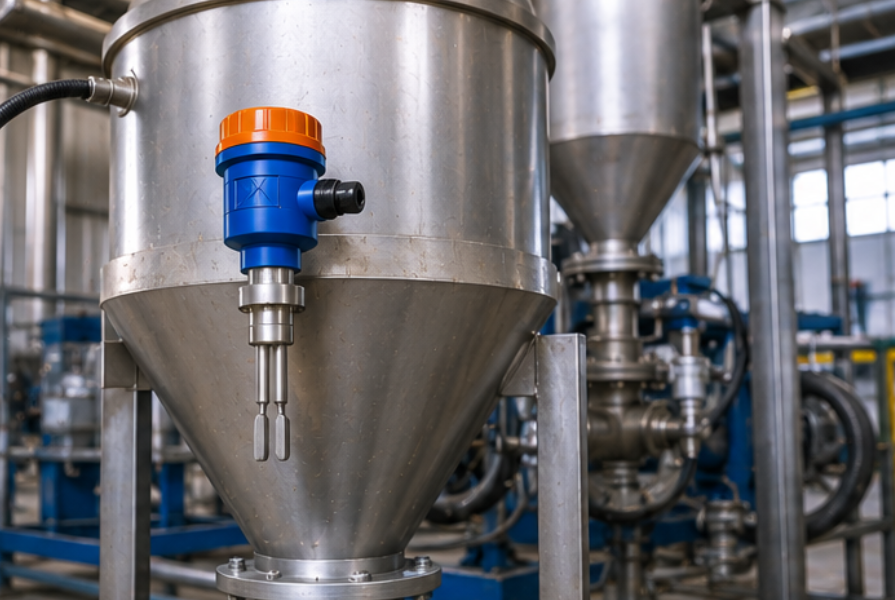
Why Use A Vibrating Fork Level Switch For Powder Hoppers?
1. Confirm The Powder Material First
2. Choose The Right Fork Design And Length
Selection Item Key Point Recommendation Fork Length Affects installation depth and detection position Choose according to hopper size and control level Fork Material Affects durability and corrosion resistance Stainless steel contact parts are commonly used Sensitivity Important for light powder Confirm bulk density before ordering Process Connection Affects installation compatibility Confirm thread or flange size 3. Select The Correct Installation Position
4. Consider Dust, Buildup And False Signal Risk
Vibrating Fork Level Switch Selection Checklist
What Buyers Should Provide Before Quotation
Final Recommendation
Need A Vibrating Fork Level Switch For Powder Hoppers?