
Level Switch Installation Guide For Tanks, Silos And Hoppers
Correct installation is just as important as choosing the right level switch. Even high-quality sensors may create false alarms, unstable signals or mechanical damage if installed in the wrong position. This guide explains how to properly install level switches in tanks, silos and hoppers.
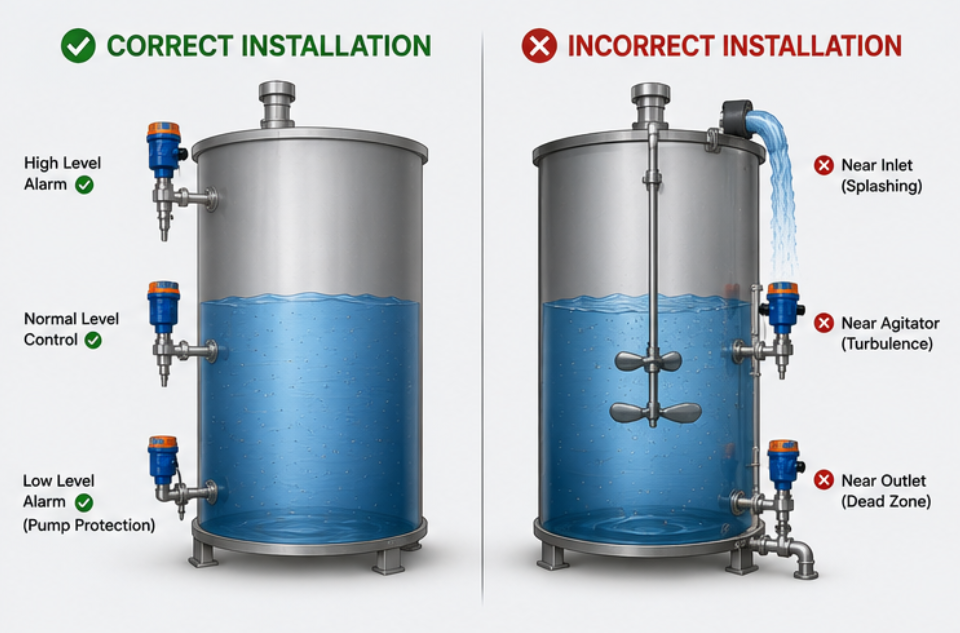
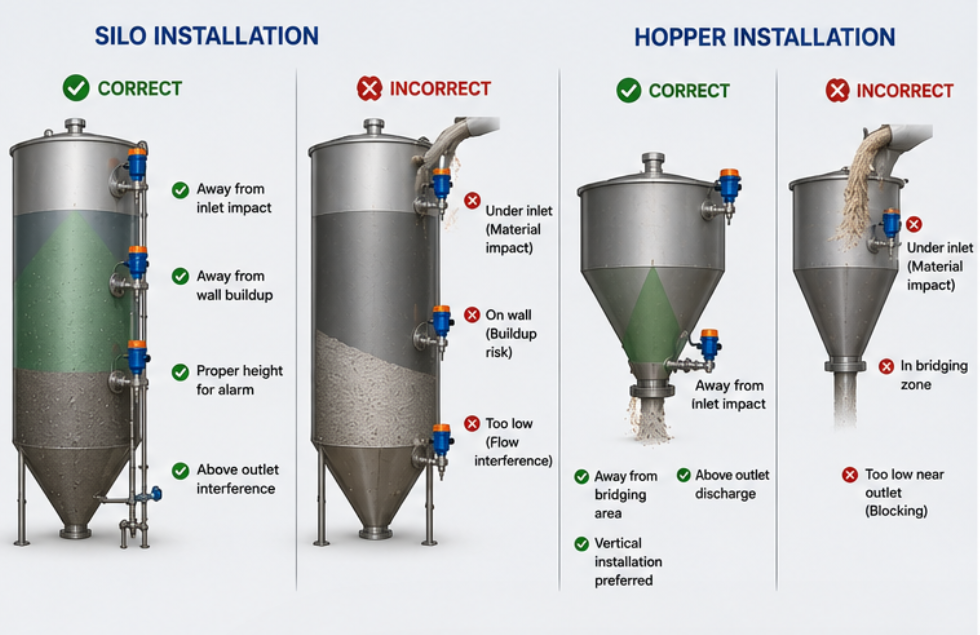
Get QuoteMany level switch failures are caused by poor installation rather than product quality. If a sensor is installed directly under material impact, near turbulence zones, or in areas where buildup happens frequently, false signals become much more common. Proper installation helps improve signal stability, reduce maintenance frequency and extend product lifespan. For liquid tanks, installation position depends on whether the switch is used for high-level alarm, low-level alarm or pump protection. Install high-level alarms near the upper control point Install low-level alarms near the lower control point Avoid strong turbulence areas Avoid pump suction zones Avoid direct inlet splashing Ensure floats or probes can move freely Float switches, capacitance switches and vibrating fork switches are commonly used in tank applications. Powder silos often create dust, material impact and buildup problems. Rotary paddle switches, vibrating fork switches and RF admittance switches are common choices for silo applications. Do not install directly under filling pipes Avoid heavy material impact areas Keep distance from silo walls with heavy buildup Install high-level alarms near overflow protection point Install low-level alarms above unstable discharge zones If direct material impact cannot be avoided, protective baffles may be required. Hoppers usually have smaller spaces and faster material flow. Incorrect installation may create false signals caused by direct impact or bridging. Avoid installing directly under material inlet Avoid outlet discharge interference Keep sensors away from bridging areas Choose suitable probe length Use vertical installation when possible Installation is not only about physical position. Buyers should also confirm: Thread or flange connection size Tank wall thickness Available installation space Power supply voltage Relay / PNP / NPN output signal Cable routing space Explosion-proof requirements Installing directly below material inlet Installing near agitators or mixers Ignoring material buildup areas Wrong probe length selection Poor cable sealing Ignoring maintenance access space To recommend the correct installation position, suppliers usually need tank drawings, silo dimensions, hopper structure, material type, installation purpose and current problem details. Photos and videos of the actual site can significantly improve installation recommendations. Proper installation improves level switch accuracy, reduces false alarms and protects your automation system. Whether you use float switches, rotary paddle switches, vibrating fork switches, capacitance switches or RF admittance switches, installation position always matters. Send us your tank drawings, silo layout or hopper structure. Shao Level can help recommend the right installation solution.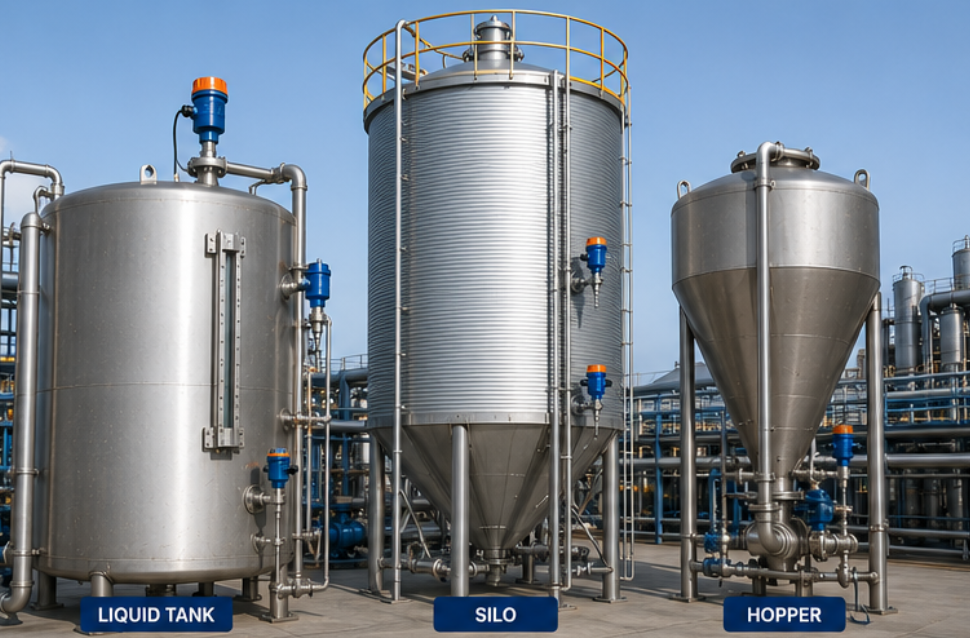
Why Installation Position Matters
1. Tank Installation Guidelines
2. Silo Installation Guidelines
3. Hopper Installation Guidelines
4. Check Process Connection And Wiring
Common Installation Mistakes
What Buyers Should Provide Before Installation Advice
Final Recommendation
Need Help With Level Switch Installation?