
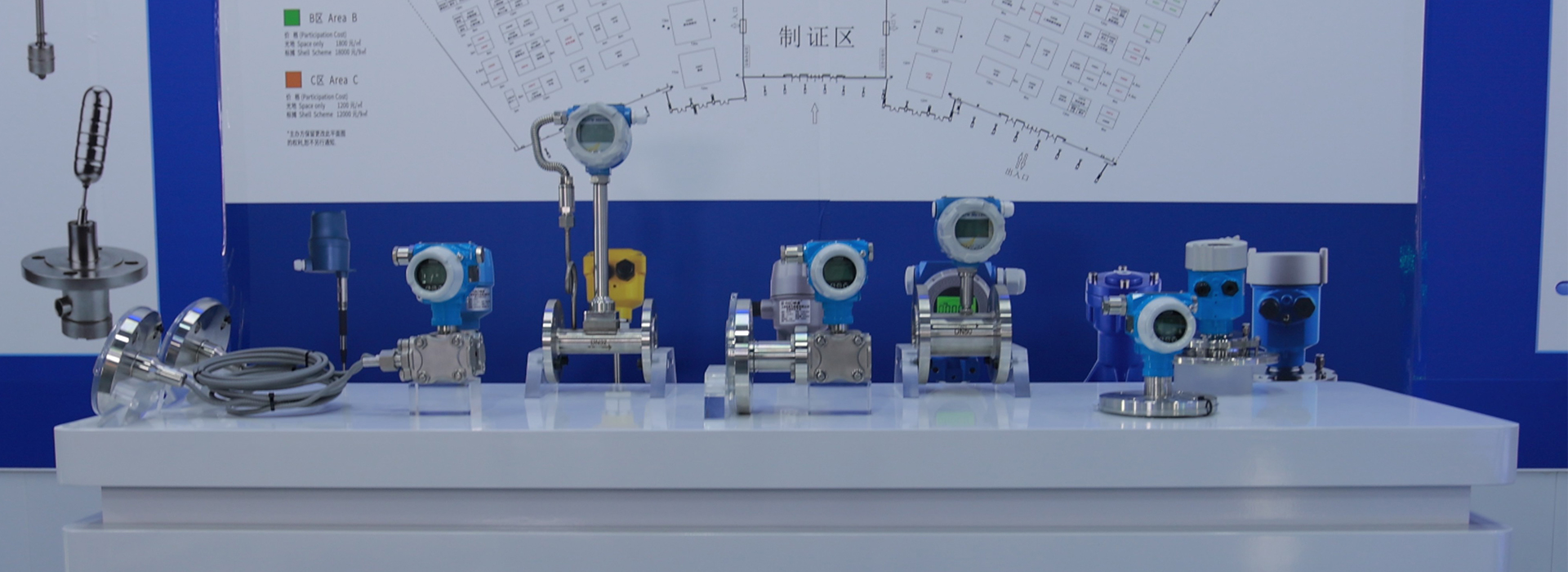
What Buyers Should Check Before Ordering A Level Switch
Ordering a level switch without confirming key technical details can lead to wrong selection, false signals, installation mismatch and costly downtime. Before placing an order, buyers should clearly understand the material, working condition and installation requirements.
Get Quote
1. Material Type And Characteristics
The most important factor is the material being measured. Powder, granules and liquids all behave differently and require different level switch technologies.
Material name (cement, flour, plastic pellets, liquid, etc.)
Bulk density or viscosity
Particle size or flowability
Sticky, corrosive or coating tendency
Dust level or foam presence
Wrong understanding of material properties is the most common reason for incorrect model selection.
2. Application Type And Detection Purpose
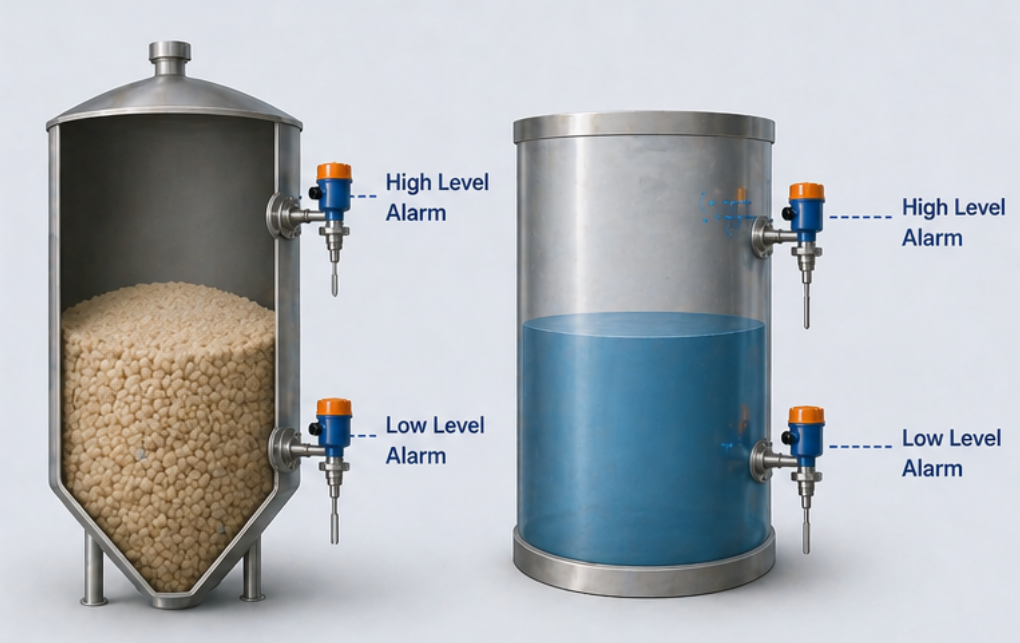
Buyers should clearly define the purpose of level detection before ordering. Different purposes require different installation positions and sensor types.
High level alarm (overflow prevention)
Low level alarm (empty protection)
Material presence detection
Process control or interlock signal
Choosing the wrong detection point can make even a high-quality sensor unreliable.
3. Installation Conditions
Installation conditions directly affect performance and lifetime. Buyers should confirm how and where the level switch will be mounted.
Side mounting or top mounting
Thread or flange connection size
Silo or tank wall thickness
Available installation space
Material impact area or flow direction
Installing the sensor in a strong impact zone or wrong angle can lead to mechanical damage or unstable signals.
4. Working Environment
Industrial environments can be complex. Temperature, pressure and surrounding conditions must be considered before ordering.
Operating temperature and high-temperature requirement
Pressure condition (normal or pressurized tank)
Dust or moisture level
Corrosive or hazardous environment
Explosion-proof requirement if applicable
Ignoring environmental conditions may result in short service life or safety risks.

5. Electrical And Control Requirements
Buyers must ensure that the level switch is compatible with the control system.
Power supply (AC or DC)
Output signal (relay, PNP, NPN, etc.)
Control system compatibility
Cable entry and wiring requirement
Incorrect electrical specifications may lead to installation failure or system integration problems.
Quick Pre-Order Checklist
Confirm material type, density and behavior
Define high-level or low-level detection purpose
Check installation position and connection type
Confirm temperature, pressure and environment
Match power supply and output signal
Confirm special requirements (explosion-proof, corrosion resistance)
Common Mistakes Buyers Should Avoid
Choosing based on price only without technical confirmation
Ignoring material buildup or dust conditions
Not confirming installation thread or flange size
Using the wrong sensor type for the material
Not checking voltage and output compatibility
Final Recommendation
A level switch is a small component, but it plays a critical role in system safety and automation. Careful selection before ordering can prevent downtime, reduce maintenance and improve long-term reliability.
Buyers should provide detailed application information to ensure accurate model selection and avoid unnecessary procurement risks.
Need Help Selecting The Right Level Switch?
Send us your material type, installation details and working conditions. Shao Level can help you choose the most suitable level switch solution.
Contact Us / Get Quote